
Size
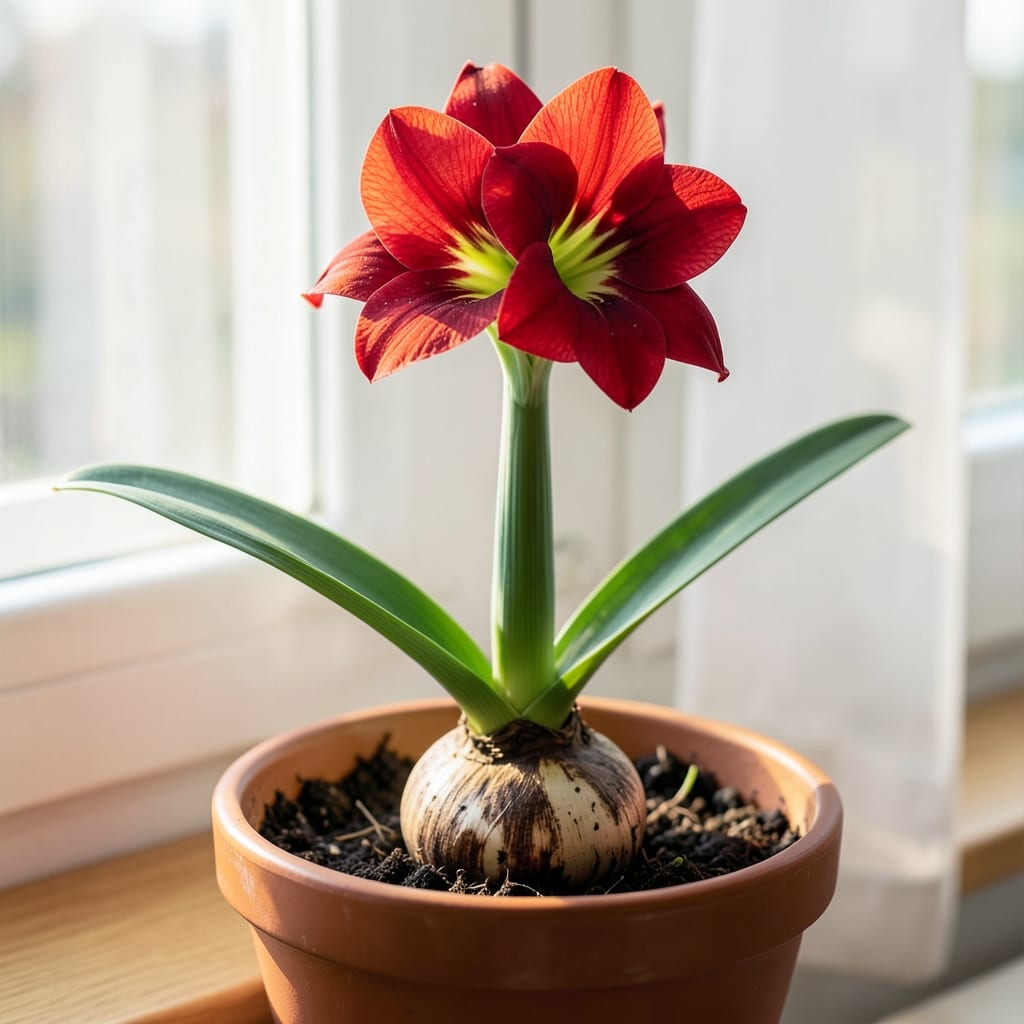
If you’ve ever wondered amaryllis how tall they grow from a sleepy bulb to a flower-topped giant in weeks, you’re not alone. The question on every gardener’s mind is: just how tall do these dramatic plants really grow? The answer isn’t one-size-fits-all—it depends on whether you’re growing a delicate Amaryllis belladonna or a showstopping Hippeastrum hybrid.
For most indoor gardeners in Zone 6a, expect flower stalks to reach between 1 and 2 feet tall, with some varieties stretching even higher when given ideal conditions. That’s taller than your average desk lamp, and the foliage can add another 12-18 inches of lush green. But here’s the catch: height isn’t just about genetics—light, soil, and even your pot size play starring roles.
Curious about how to coax your Amaryllis 🌸 to its full potential—or maybe you’re dealing with a stubbornly short stem? I’ll break down the science behind their growth, plus pro tips to support those towering blooms without risking snaps. Let’s get growing!
Whether you’re a first-time bulb enthusiast or a seasoned collector, understanding these height secrets will help you place your plant perfectly and troubleshoot any unexpected growth quirks. Ready to turn your fall-planted beauty into a true centerpiece?


Amaryllis height by variety: from compact to sky-high giants
Amaryllis plants—specifically the Hippeastrum genus—can reach heights that rival your ceiling fan, but not all varieties grow the same. The flower stalk (or scape) typically determines the "height" we notice, while the foliage grows separately and can reach 12-24 inches tall. For example, the classic Red Lion variety shoots up 24-36 inches with its dramatic blooms, while dwarf types like Mini Star max out at 12-18 inches. The key difference? Genetics and care.
Most Hippeastrum hybrids (the type sold as "amaryllis" in stores) grow 18-36 inches for their flower stalks alone, making them perfect for adding vertical drama to your indoor space. Meanwhile, the true amaryllis (Amaryllis belladonna), native to South Africa, stays much shorter—its stalks rarely exceed 12 inches, with foliage reaching 10-12 inches. This distinction matters if you're choosing varieties for tight spaces or bold centerpieces.
The tallest amaryllis varieties often come from Hippeastrum hybrids bred for show-stopping blooms. Cultivars like Apple Blossom or Black Pearl can hit 36 inches or more, while dwarf varieties like Pink Nymph or Santa Cruz Sentinel stay under 18 inches. Even within the same variety, height can vary by 20-30% based on growing conditions—so don’t be surprised if your neighbor’s Red Lion towers over yours!
| Variety | Flower Stalk Height | Foliage Height | Best For |
|---|---|---|---|
| Red Lion | 24-36" | 12-18" | Dramatic centerpieces |
| Amaryllis belladonna | 6-12" | 10-12" | Small spaces, borders |
| Mini Star | 12-18" | 8-12" | Desk plants, small pots |
| Black Pearl | 30-36" | 18-24" | Statement plants, tall arrangements |
| Apple Blossom | 24-30" | 12-16" | Holiday gifts, indoor gardens |
⚠️ Note: Heights include flower stalks only. Foliage grows separately and may add 10-24" to total plant size.
If you're growing amaryllis for indoor displays, focus on varieties like Red Lion or Black Pearl—their 30-36-inch stalks create stunning vertical interest. For small spaces or desk gardens, Mini Star or Pink Nymph are ideal, staying under 18 inches total. The true amaryllis (Amaryllis belladonna) is the shortest option, perfect for rock gardens or window boxes where height isn’t a priority.
Pro tip: Measure your flower stalk height from the soil line to the top of the bloom cluster, not the individual flowers. This gives a consistent way to compare varieties. For example, a 36-inch stalk with 6-inch blooms means the total height is 42 inches—but most gardeners focus on the stalk alone for placement decisions.
For outdoor gardeners in USDA Zones 8-11, amaryllis can be planted in-ground, where their foliage height (12-24 inches) becomes the main visual. In these climates, Hippeastrum varieties often grow 20-30% taller than their potted indoor counterparts due to unrestricted root growth and natural sunlight exposure. If you're planting outdoors, choose a sunny, sheltered spot to maximize height potential.
One common misconception is that larger bulbs always mean taller plants. While bigger bulbs (6+ inches in diameter) often produce longer stalks, the variety’s genetics play a bigger role. For instance, a giant bulb of Amaryllis belladonna
Why your amaryllis might be shorter (or taller) than expected
If your amaryllis is growing shorter than the 24-36-inch range you expected, don’t panic—it’s rarely a sign of poor health. The most common culprit is insufficient light. These plants thrive on bright indirect sunlight (4-6 hours daily), but many gardeners place them in dim corners where they stretch toward light instead of growing strong. Without enough light, flower stalks can shrink by 30-50%, while foliage may become leggy and weak.
Another sneaky factor is pot size. Amaryllis bulbs need root room to fuel their rapid growth. If your bulb is planted in a pot smaller than 6-8 inches in diameter, it’ll focus energy on root expansion rather than vertical growth. For taller stalks, upgrade to a 10-12-inch pot and use a well-draining bulb mix—this combo can boost height by 10-20% in ideal conditions.
- Overcrowded roots: Too many bulbs in one pot compete for nutrients, stunting growth.
- Cold drafts: Temperatures below 60°F slow metabolism, reducing stalk height.
- Excessive fertilizer: Too much nitrogen promotes foliage over flowers, shortening stalks.
🌱 Fix it: Repot bulbs every 2-3 years and use a balanced 5-10-10 fertilizer sparingly.
On the flip side, if your amaryllis is taller than expected, you might be dealing with a hybrid variety like Black Pearl or Apple Blossom, which naturally exceed 36 inches. But if even a Mini Star is shooting up like a Red Lion, check your watering habits. Overwatering can cause stems to elongate weakly, while underwatering during active growth (fall/winter) can trigger a survival response—producing extra-long stalks in an attempt to reach light.
Seasonal timing also plays a role. Amaryllis bulbs planted in September-October (their natural growing window) produce taller stalks than those forced in winter or spring. If you’re growing outdoors in Zones 8-11, plant bulbs in fall for maximum height—indoor plants forced in December often grow 10-15% shorter due to disrupted dormancy cycles.
For controlled height (like in small apartments), limit sunlight to 4 hours daily and avoid fertilizing after mid-October. This tricks the plant into producing shorter, stockier stalks. Conversely, to encourage maximum height, place your amaryllis in the brightest spot you have (like an east-facing window) and fertilize lightly every 4-6 weeks during the growing season.
Remember, amaryllis height is a balance act between genetics, care, and environment. Even the tallest varieties need supportive conditions to reach their potential—so don’t blame the bulb if your Black Pearl stays under 30 inches. With the right tweaks, you can coax your plant to grow just the right height for your space—whether that’s a dramatic 36-inch centerpiece or a compact 12-inch desk companion. 🌸