
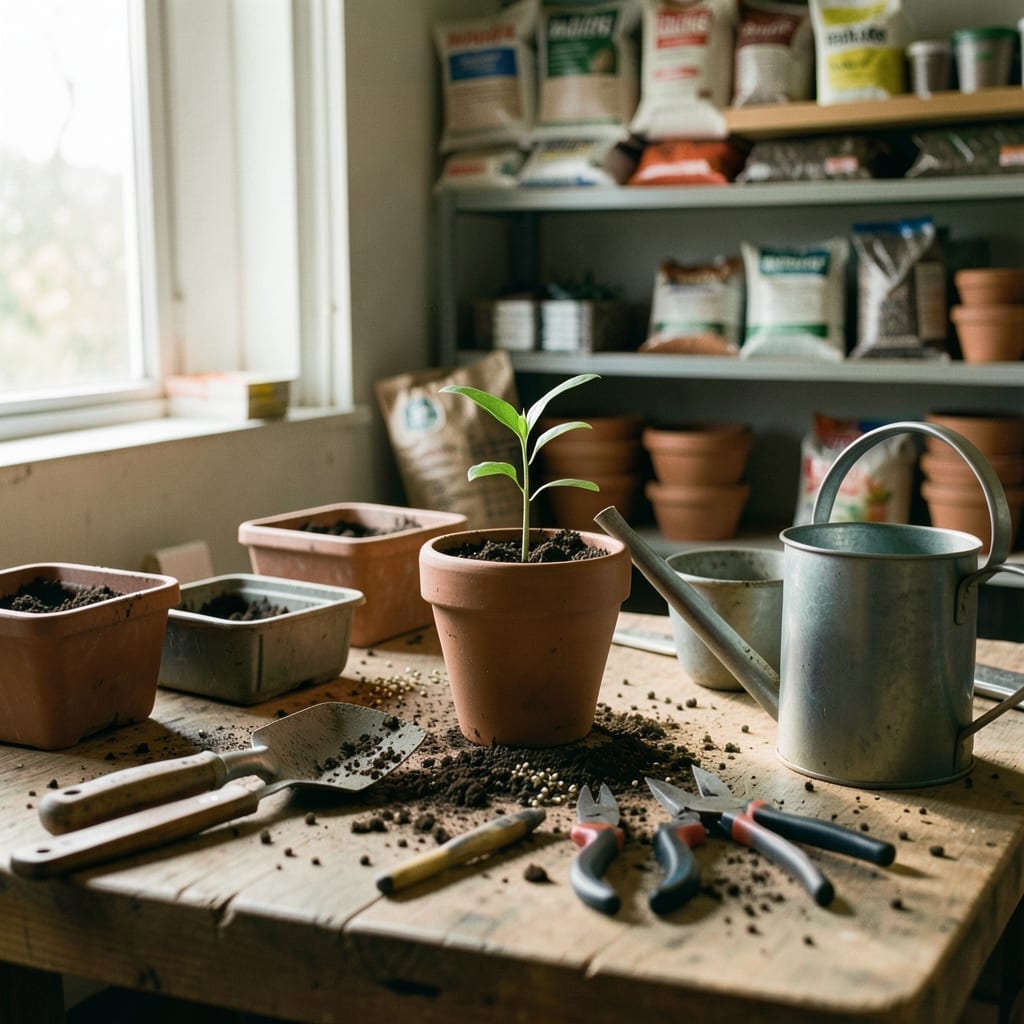
It started with one plant that kept failing
It was a single seedling of *Calendula officinalis*—pot marigold—that refused to grow straight. I planted it in early April in my grandfather’s old greenhouse in Ohio, where the soil was still damp from winter.
The first leaves curled at the edges, yellowing like a page left too long in the rain. I watered it exactly as I’d been taught: once in the morning, once at dusk. The problem wasn’t the water. It was the light.
The greenhouse had a single skylight, and by midday, the heat pressed down like a weight. The stem stretched toward the glass, bending at the base until it looked like a question mark.
I tried propping it up with a stick, but the soil was too loose—Ohio clay mixed with last year’s compost—and the support just sank in. The plant leaned harder, its leaves now cupped inward, as if shielding itself. I thought I’d fixed it. I hadn’t.
By the third week, the stem had split open near the soil line, oozing a sticky sap that smelled like crushed mint. I’d read about overwatering, but the meter said the soil was dry. Then I noticed the tiny black specks clinging to the roots—fungus. Not rot. Not drought.
Just the greenhouse air, thick with the breath of last year’s dead plants, suffocating what I’d tried to coax to life.
Nine tries before it worked

The first five attempts all died within a week. I adjusted the watering—less in the morning, more in the evening—but the fungus returned. Then I sterilized the soil with hydrogen peroxide, but the heat still warped the stems.
On the seventh try, I moved the seedling outside into a shaded bed, where the air was cooler. It grew three inches before the slugs found it.
The eighth attempt I grew under a sheer curtain, but the fabric trapped too much moisture, and the leaves turned brown at the edges.
The breakthrough came on the ninth seedling. I dug a trench in the greenhouse floor, filled it with fresh, sandy loam, and buried the pot halfway.
The roots could spread without resistance, and I rigged a clip-on LED grow light on a timer—six hours in the morning, six in the evening. No direct sun. No soggy soil. The stem stayed upright, thickened, and by late May, it bloomed.
Not just one flower, but a cluster of golden-orange petals, heavy with the scent of honey.
But even then, I almost ruined it. The first time I harvested a bloom, I pinched the stem too hard, and the plant wilted overnight. I learned to cut just above a leaf node, to leave the rest to photosynthesize.
That’s when I realized the real lesson wasn’t about the plant at all—it was about the conditions I’d assumed were right, but weren’t.
The mind behind these pages
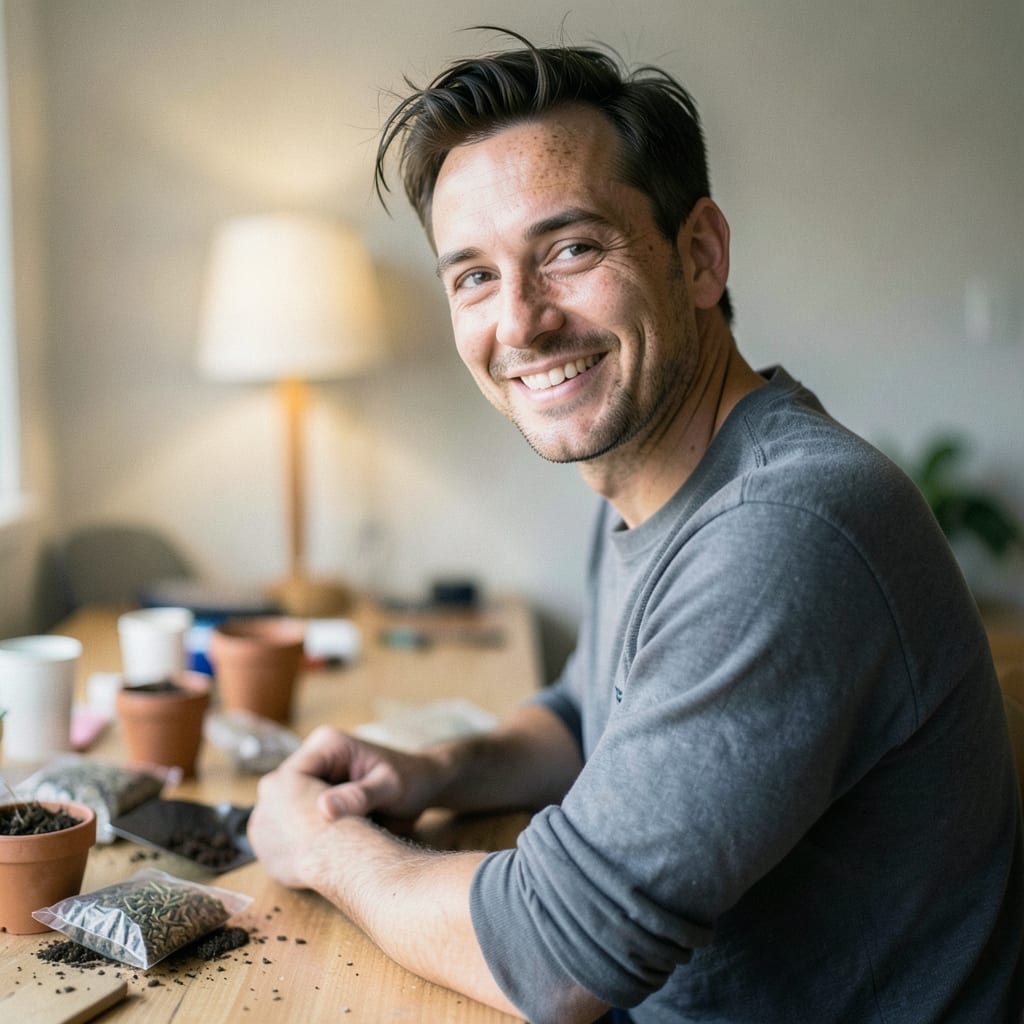
That’s how I spend my days now—digging into the details of what doesn’t work before I write about what does. My name is Vince Ashworth, and I’ve been doing this since I could reach the shelves of my grandfather’s greenhouse.
He’d let me repot his failed seedlings, though he’d shake his head when I’d ask why they kept dying. ‘Because you’re not listening to the plant,’ he’d say. I didn’t understand then. Now I know: it’s the only language that matters.
I’m the kind of person who takes things apart to see how they’re held together. Whether it’s a lawnmower engine or a seed packet, I need to know why something works—or why it doesn’t.
My grandfather called it ‘obsessive.’ My wife calls it ‘a phase.’ The truth is, I’ve never met a problem I couldn’t fix if I had enough time and a notepad. The notepad’s where the real work happens.
I don’t garden for beauty, though there’s plenty of that. I garden to understand how small, persistent things—roots, stems, the slow push of a shoot through cracked earth—can outlast the things that seem permanent. Like a greenhouse full of dead plants. Or a marriage.
Or a career. (I’ve had three of those.)
This site is where I put down what I’ve learned from the failures. Not the victories—they’re easy. The victories are what everyone else writes about. But the failures? Those are the ones that change how you grow everything after.
Everything here is written the way that plant was
Every guide, every tip, every ‘how-to’ on this site started as a seedling that leaned the wrong way. I write them the same way I grew that calendula: by trying it nine times, measuring the soil, counting the hours of light, and only then deciding what to share.
The difference is, now I keep a notebook. Page after page of what didn’t work—slugs, fungus, heat scorch—before I ever get to the part where it does.
You’ll notice the numbers. The exact temperature of the soil. The depth of the trench. The time of day I watered. That’s not pedantry. It’s the only way to close the gap between what a plant *should* do and what it *actually* needs in your hands.
And if I don’t know the answer yet? You’ll see that, too. A page here might say, ‘I’m still testing this,’ because the testing never stops.
Six months from now, some of these pages will be wrong. The conditions change—seasons shift, soil depletes, even the air feels different. But the method stays the same: grow it, watch it fail, adjust, and write it down before it works.
That’s the only way to turn a guess into a rule.
What that means for you
You’ll find no vague advice here. No ‘try this in full sun’ without telling you what ‘full sun’ means in your climate. No ‘just add water’ without the exact amount, the time of day, and what happens if you get it wrong.
This site exists for the person who’s already read three articles on pruning roses and still can’t get it right. Because the real story isn’t in the pruning—it’s in the fourth attempt, when the canes finally grew straight.
What you won’t find is perfection. Or quick fixes. Or a single path that works for everyone. Gardening isn’t a recipe; it’s a conversation. And like any good conversation, the best answers come after you’ve admitted what you don’t know yet.
Got a plant that keeps defying you? Send me the details—the soil, the light, what you’ve tried—and I’ll walk through the next steps with you. The best lessons come from the failures we haven’t solved yet.
If you’ve got a question—or just a story about a plant that outsmarted you—there’s a page for that. No email address needed. Just the dirt, the light, and what you’ve learned so far.
The guides are grouped by category: Companion Plants, Flowers, How To, Lawn, Light Requirements and Orchid Care.