
How To
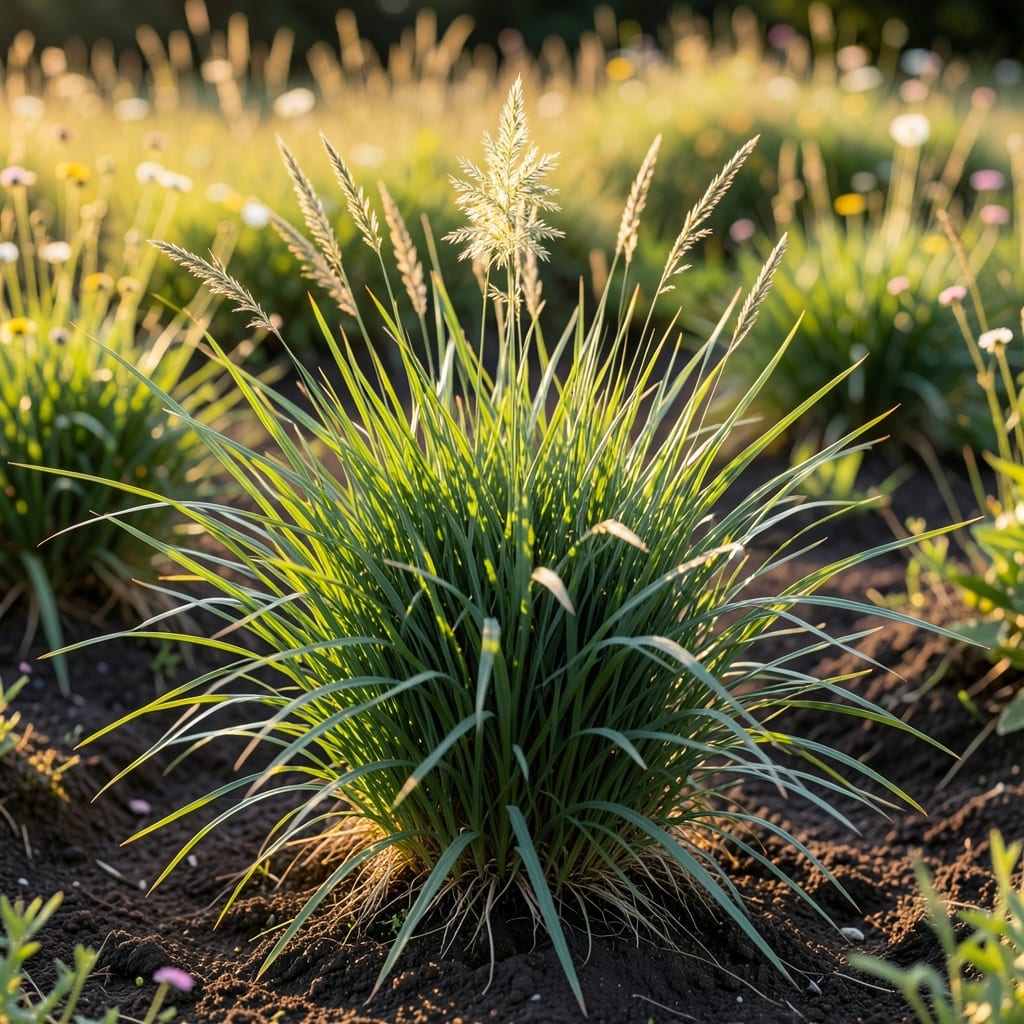
If you're wondering how long does tall fescue take to grow, the answer starts with those first 7-14 days of germination—but what happens after that makes all the difference for your lawn's long-term success. This cool-season grass is known for its durability, but getting it right from the start means understanding the full timeline from seed to a thick, green carpet.
The magic begins when you plant during late summer to early fall, when soil temperatures are ideal for germination. While you'll see those first tiny sprouts in just one to two weeks, don't expect a full lawn overnight. Tall fescue takes about 3-6 months to establish completely, with growth rates depending on factors like soil quality, water consistency, and sunlight exposure.
What sets tall fescue apart is its ability to thrive in USDA Zone 6a and beyond, making it a smart choice for many regions. Proper care during those critical first weeks—like keeping soil moist but not soggy—can shave days off your timeline. With the right conditions, you could see noticeable coverage in as little as 6-8 weeks, though full maturity takes patience.
Whether you're seeding a new lawn or overseeding an existing one, timing is everything. By knowing exactly what to expect at each stage, you'll avoid common pitfalls and get that lush, drought-resistant grass you're after—faster than you might think.


Tall fescue growth timeline: from seed to full coverage
Understanding the tall fescue growth timeline starts with those first 7-14 days of germination, where tiny sprouts push through the soil. This cool-season grass is designed to establish itself quickly, but the real transformation happens over the next 3-6 months. If you're planting in USDA Zone 6a during late summer to early fall, you’ll see the fastest results because soil temperatures are perfect for seed activation.
The journey begins when you plant seeds 1/4 inch deep in well-drained soil. Within 7-14 days, you’ll spot those first green blades, signaling successful germination. However, don’t expect a thick lawn yet—this is just the beginning. The next 4-6 weeks are crucial for root development, where consistent moisture and sunlight will determine how quickly your grass fills in.
Here’s the breakdown of what to expect at each stage, so you can set realistic goals for your lawn:
🌱 Tall Fescue Growth Stages
| Stage | Timeframe | Key Actions |
|---|---|---|
| Germination | 7-14 days | Keep soil moist, avoid compaction |
| Sprouting | 3-4 weeks | Water deeply 2x/week, full sun exposure |
| Establishment | 6-8 weeks | Light fertilization, mow at 3 inches |
| Full Coverage | 3-6 months | Reduce watering, maintain mowing height |
One of the biggest factors in speeding up growth is soil temperature. Tall fescue thrives when soil temps are between 60-75°F. If you plant too early in spring or late in fall, germination slows down, extending your timeline. Aim for late August to early September in most regions to maximize speed.
Consistent watering is non-negotiable during the first 6-8 weeks. While tall fescue is drought-tolerant once established, young seedlings need 1 inch of water per week to prevent drying out. Use a rain gauge or tuna can to measure accurately—overwatering or underwatering can stall growth entirely.
By week 6-8, you should see noticeable patches of grass filling in, but full coverage takes 3-6 months. This is when your lawn starts to resemble that thick, disease-resistant carpet you’re after. During this phase, you can gradually reduce watering frequency and introduce a balanced fertilizer to encourage deeper root growth.
If you’re overseeding an existing lawn, expect a slightly faster timeline because the soil is already prepared and established grass helps suppress weeds. However, weed competition can still slow down new growth, so consider a pre-emergent herbicide if weeds are a problem in your area.
Proper mowing height also plays a role in long-term growth. Once your tall fescue reaches 3-4 inches tall, set your mower to 3 inches to encourage a deeper root system and better drought resistance. Avoid cutting more than 1/3 of the blade height at once to prevent stress on young plants.
With the right conditions, you could see 60-70% coverage in as little as 8 weeks, but full maturity—where your lawn looks lush and uniform—typically takes 3-6 months. Patience here is key, but smart care during those early weeks will set you up for success.
5 Proven tips to speed up tall fescue germination in 7-14 days
If you're wondering how to speed up tall fescue germination and see those first green sprouts in just 7-14 days, the secret lies in preparing your soil and seeds like a pro. Unlike slower-growing grasses, tall fescue responds quickly to the right conditions—so let’s dive into the top strategies to get your lawn off to a flying start.
First, soak your seeds for 12-24 hours before planting. This hydrates them instantly, cutting germination time by up to 3 days. Place seeds in a breathable cloth or paper towel with a little water, then drain before planting. Think of it like giving your seeds a head start—just like a runner stretching before a race.
Next, focus on planting depth. Tall fescue seeds need to be buried only 1/4 inch deep—any deeper, and they’ll struggle to break through. Use a rake or seed spreader to create a fine, even layer of soil over them. A light cover keeps seeds moist while allowing sunlight to reach the surface for faster sprouting.
🌱 5 Pro Tips for Faster Germination
- 💧 Soak seeds 12-24 hours before planting to jumpstart hydration.
- 🌡️ Plant in 60-75°F soil—ideal temps for rapid germination.
- 💦 Water lightly twice daily for the first week to keep soil consistently moist.
- ☀️ Ensure full sun exposure (6+ hours/day) to fuel early growth.
- 🪴 Avoid compacted soil—loosen top 2 inches with a rake before seeding.
Don’t overlook soil temperature, either. Tall fescue germinates fastest when soil temps hover between 60-75°F. If your area is cooler, consider using a black plastic mulch for a few days to warm the soil naturally. This trick can shave off critical days in your timeline, especially if you’re planting in early fall or late spring.
Consistent watering is non-negotiable during those first two weeks. While tall fescue is drought-tolerant once established, young seeds need light, frequent watering—think of it as a daily shower, not a monsoon. Water twice a day (morning and evening) to keep the top inch of soil moist. Overwatering can suffocate seeds, so aim for even moisture, not soggy soil.
Finally, minimize soil compaction by avoiding foot traffic on newly seeded areas. Compacted soil blocks oxygen and water from reaching seeds, slowing germination. If your lawn has heavy clay soil, mix in compost or sand before planting to improve drainage and aeration. A well-prepared seedbed is the foundation for fast, uniform growth.
With these tips, you’ll see those first green blades in as little as 7 days, setting your lawn up for full coverage in just 3-6 months. The key is consistency—soil prep, watering, and timing all work together to turn your patience into a lush, green reality.