
Size
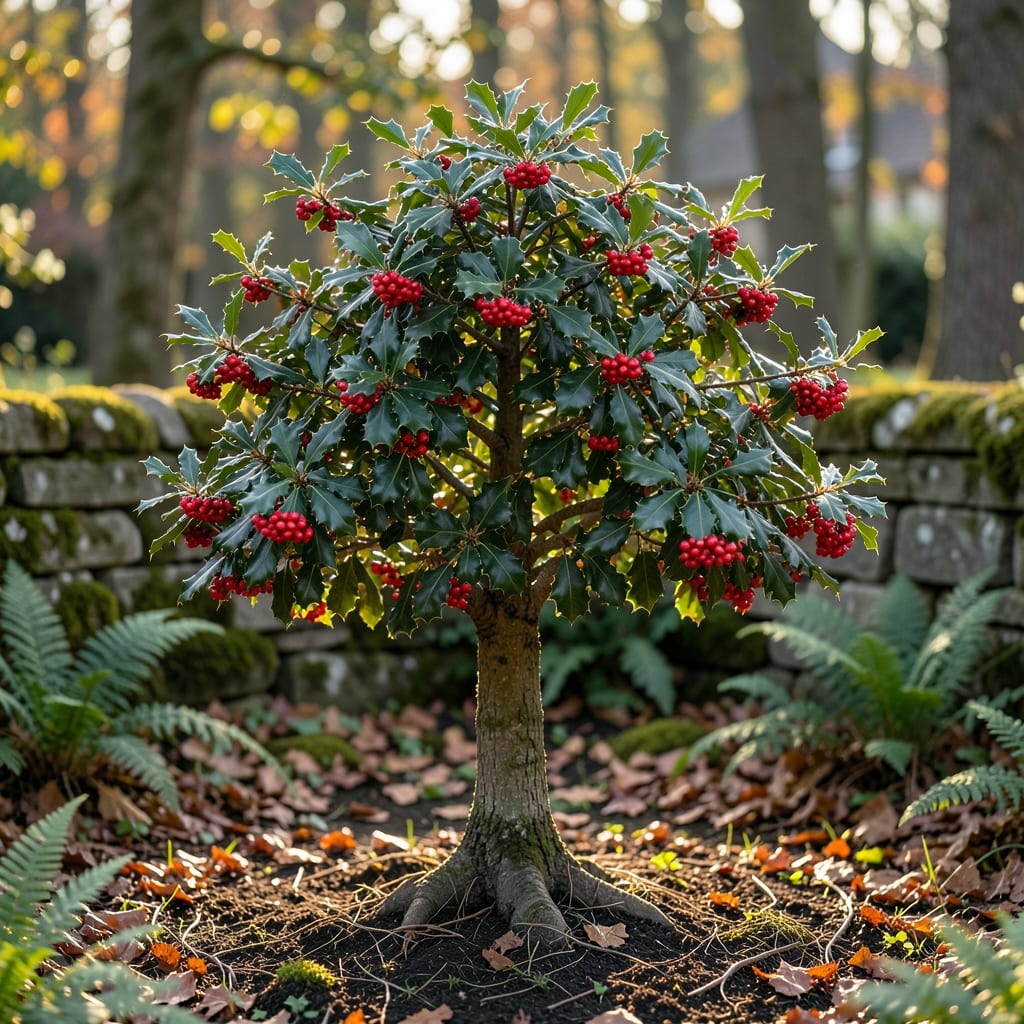
If you're dreaming of a Holly Tree 🌲 that stretches toward the sky, you might be surprised by how tall holly trees can grow—from modest shrubs to towering giants that reach 60 feet or more. Understanding these differences is the key to picking the perfect variety for your landscape, whether you want a privacy screen or a showstopping focal point.
Some holly species grow fast, shooting up 12 inches or more per year, while others take their time, maturing over decades. The American Holly, for example, typically reaches 15 to 30 feet, while the English Holly can soar up to 40 feet or taller. Even dwarf varieties stay compact, making them ideal for smaller gardens.
But here’s the catch: without the right care, even fast-growing hollies can outpace your expectations. Pruning at the right time and choosing the right species can help you manage their height—and their berry production—exactly how you want. Let’s break down the fastest-growing varieties and the best ways to keep them in check.
Whether you’re planning a hedge, a specimen tree, or just love the idea of holly’s year-round charm, knowing these height ranges will help you make the best choice for your space. Ready to find your perfect match?


Holly tree height ranges by species: from compact to towering giants
Choosing the right holly tree starts with understanding their mature height ranges. Some varieties stay compact enough for small gardens, while others reach towering heights that make them ideal for privacy screens or woodland edges. The American Holly (Ilex opaca) typically grows between 15 to 30 feet, while the English Holly (Ilex aquifolium) can soar up to 40 feet in perfect conditions. Even dwarf varieties like 'Blue Prince' or 'Dwarf Burford' cap out at 5 to 10 feet, making them perfect for containers or foundation plantings.
Growth rates vary dramatically—some holly trees grow just 6 inches per year, while faster varieties like 'Sky Pencil' can add 12+ inches annually. This means a 10-foot holly might take 5 to 10 years to reach maturity, depending on the species and growing conditions. If you're planning for a quick privacy screen, faster-growing varieties are your best bet, while slower growers are ideal for long-term landscape investments.
Before planting, check your local climate zone and soil conditions, as these factors can influence height. Holly trees in USDA Zone 6 or higher with well-draining soil and partial shade tend to grow taller and healthier. In drier climates, growth may be slower, but the trees still thrive with proper care.
Here’s how popular holly species compare in height and growth habits:
| Variety | Mature Height | Growth Rate | Best For |
|---|---|---|---|
| American Holly (Ilex opaca) | 15–30 ft | 6–12 in/year | Specimen trees, wildlife habitat |
| English Holly (Ilex aquifolium) | 20–40 ft | 8–15 in/year | Privacy screens, large gardens |
| 'Sky Pencil' Holly | 30–40 ft | 12+ in/year | Narrow hedges, vertical accents |
| 'Blue Princess' Holly | 20–30 ft | 10–14 in/year | Dense hedges, shade trees |
| 'Dwarf Burford' Holly | 5–10 ft | 3–6 in/year | Containers, foundation plantings |
If you're working with limited space, dwarf holly varieties are your best bet. They’re perfect for urban gardens or small yards where larger trees would overwhelm the area. For privacy hedges, opt for 'Blue Princess' or 'Sky Pencil', which grow quickly and create dense, impenetrable barriers. Just remember: holly trees are long-lived plants, so choose a variety that fits your long-term vision for the space.
One common mistake is underestimating how much space holly trees need as they mature. Always measure your available growing space and leave room for the tree’s spread, which can be nearly as wide as its height. For example, a 20-foot holly tree might spread 15 feet at maturity, so plan accordingly to avoid overcrowding.
For fastest growth, focus on well-draining soil, regular watering, and balanced fertilization in early spring. Holly trees respond well to mulching, which helps retain moisture and suppress weeds. If you’re planting multiple holly trees for a hedge or screen, space them 6 to 10 feet apart to allow for future growth and proper airflow.
Whether you're aiming for a towering specimen tree or a compact accent plant, holly trees offer endless possibilities. Their year-round interest—thanks to glossy leaves and vibrant berries—makes them
Holly tree height ranges by species: from compact to towering giants
Choosing a holly tree starts with understanding their mature height ranges. Some varieties stay under 10 feet, perfect for small yards, while others reach 40+ feet, making them ideal for large estates or privacy screens. The key is matching your space and vision to the right species—whether you want a towering specimen or a manageable shrub.
For example, the American Holly (Ilex opaca) typically grows 15 to 30 feet tall, while the English Holly (Ilex aquifolium) can soar up to 40 feet or more. Dwarf varieties, like 'Blue Prince' or 'Dwarf Burford', stay between 5 and 10 feet, offering all the holly charm without the height commitment.
| Variety | Mature Height | Growth Rate | Best For |
|---|---|---|---|
| American Holly | 15–30 ft | 6–12 in/year | Specimen trees, wildlife |
| English Holly | 20–40 ft | 8–15 in/year | Privacy screens, hedges |
| Dwarf Burford | 5–10 ft | 3–6 in/year | Containers, small gardens |
| Sky Pencil | 30–40 ft | 12+ in/year | Narrow spaces, vertical interest |
If you're planning a privacy hedge, taller varieties like 'Blue Princess' or 'Sky Pencil' grow quickly—up to 12 inches per year—and can reach 20 to 40 feet in just a decade. Meanwhile, dwarf hollies like 'Little Gem' or 'Dwarf Burford' stay under 10 feet, making them perfect for patios or foundation plantings.
One common misconception is that all holly trees grow slowly. While some take their time, others—like 'Winter Gem'—can grow 6 to 12 inches annually, reaching 10 to 15 feet in just a few years. This makes them great for quick shade or berry production.
Before planting, check your USDA hardiness zone and soil conditions. Most hollies thrive in zones 5–9 and prefer well-draining, slightly acidic soil. If your space is limited, opt for columnar varieties like 'Sky Pencil', which grow narrow and tall without spreading widely.
For the best results, pair your holly with complementary plants like boxwood or hydrangeas to create layers in your landscape. Whether you choose a towering giant or a compact shrub, hollies add year-round structure and wildlife appeal to any garden. 🌿