
Size
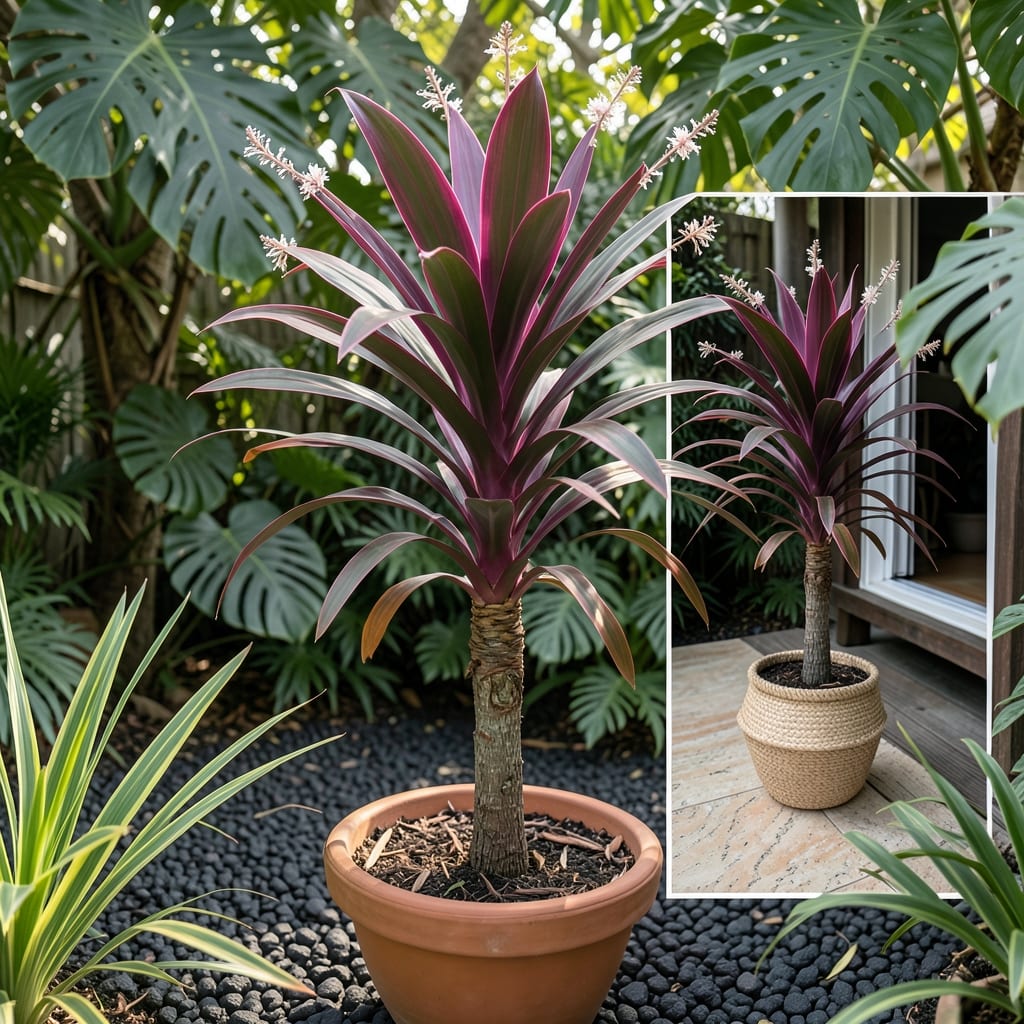
Wondering how tall cordylines do they grow? The answer depends entirely on the variety you choose—some stay compact at just 3 feet, while others stretch toward the sky like 15-foot giants. If you're planning your garden layout or picking plants for pots, knowing these height ranges is the first step to creating the perfect look.
Cordyline varieties like 'Red Star' stay manageable for small spaces, while types such as 'Torbay Dazzler' can become stunning focal points in larger landscapes. Whether you're in USDA Zone 6a or a warmer climate, understanding how sunlight, soil, and care affect their growth will help you control their height—or let them reach their full potential.
In this guide, I’ll break down the height ranges of popular cordyline types, share tips for managing their growth, and help you choose the perfect variety for your space. Ready to find out which one fits your garden vision?
From dwarf varieties that thrive in containers to towering specimens that add drama to your outdoor areas, cordyline offers something for every gardener. Let’s explore how to pick the right one for your needs!

Cordyline height by variety: from dwarf to giant species
Cordyline plants, often called dracaena lilies, offer a stunning range of heights depending on the variety. Some stay compact enough for container gardening, while others grow into towering landscape staples. Understanding these differences helps you choose the perfect plant for your space.
The most popular Cordyline fruticosa varieties—like the classic 'Red Star'—typically reach 6 to 10 feet tall in ideal conditions. Meanwhile, Cordyline australis varieties can stretch up to 15 feet or more, making them ideal for privacy screens or focal points.
Dwarf varieties like 'Little Kitten' or 'Baby Doll' stay under 3 feet tall, perfect for patio pots or indoor decor. These smaller types grow slowly, making them low-maintenance choices for beginners.
Now, let’s explore the exact height ranges for popular cordyline varieties in this summary table:
For indoor growing, most cordylines thrive in bright, indirect light and rarely exceed 4–6 feet unless pruned regularly. Varieties like 'Baby Doll' or 'Pink Moment' stay under 3 feet, making them perfect for apartment living.
In outdoor tropical climates, cordylines grow faster and taller due to warmer temperatures and higher humidity. For example, Cordyline australis in USDA Zone 9–11 can reach 15+ feet in just 5–7 years.
If you’re planting cordylines in cooler climates (Zones 7–8), choose dwarf varieties or use container gardening to protect roots from winter chill. Even in containers, some varieties like 'Red Star' can still grow 5–8 feet tall with proper care.
Pro tip: Always check the specific variety’s tags at nurseries—they often list mature heights and growth rates. This helps avoid surprises when your 3-foot plant suddenly needs 10 feet of space! 🌿
Factors affecting cordyline growth height: climate, care, and pruning
Your cordyline’s height isn’t set in stone—it’s shaped by climate, sunlight, soil, and care. In tropical climates (Zones 9–11), varieties like 'Torbay Dazzler' can shoot up 12–15 feet in just 5 years thanks to year-round warmth and humidity. Meanwhile, in cooler zones (6–8), the same plant might max out at 8 feet without winter protection.
Sunlight is the #1 growth accelerator. Cordylines crave bright, indirect light—think morning sun + afternoon shade. Too little light? Expect slow growth and leggy stems. Too much direct sun? Leaf scorch and stunted growth. East-facing windows or dappled shade in gardens are ideal.
Soil drainage makes a surprising difference. Compacted or waterlogged soil slows growth by 30–50%, while well-draining, slightly acidic soil (pH 5.5–6.5) fuels rapid height gains. Amend heavy clay with compost or perlite to keep roots happy.
Here’s how watering habits impact height: Overwatering causes root rot, which stunts growth, while underwatering triggers stress that limits vertical expansion. Aim for deep watering every 7–10 days—more in summer, less in winter.
- 1. Climate Zone: Tropical = faster, taller growth; cooler zones = slower, shorter.
- 2. Sunlight: 6+ hours bright light = optimal height; <4 hours = stunted growth.
- 3. Soil: Well-draining = 30% faster growth; waterlogged = 50% slower.
- 4. Pruning: Topping back encourages bushier (shorter) growth; no pruning = taller stems.
- 5. Fertilizer: Balanced NPK (10-10-10) in spring/summer = 2x height growth vs. no fertilizer.
Pruning is your secret weapon for controlling height. To keep cordylines shorter, cut back 1/3 of the tallest stems in early spring. This triggers lateral branching, creating a fuller, bushier plant instead of a single tall stalk. For taller growth, avoid pruning and ensure optimal sunlight and nutrients.
Pro tip: If your indoor cordyline is growing too leggy, move it to a sunnier spot and rotate the pot quarter-turns weekly to encourage even growth. Outdoor plants benefit from annual pruning to remove dead or yellowing leaves, which redirect energy to new growth.
Remember, patience pays off—cordylines grow 1–2 feet per year under ideal conditions. With the right care, your 3-foot 'Little Kitten' could become a 6-foot statement plant in just 3 years! ✂️