
Size
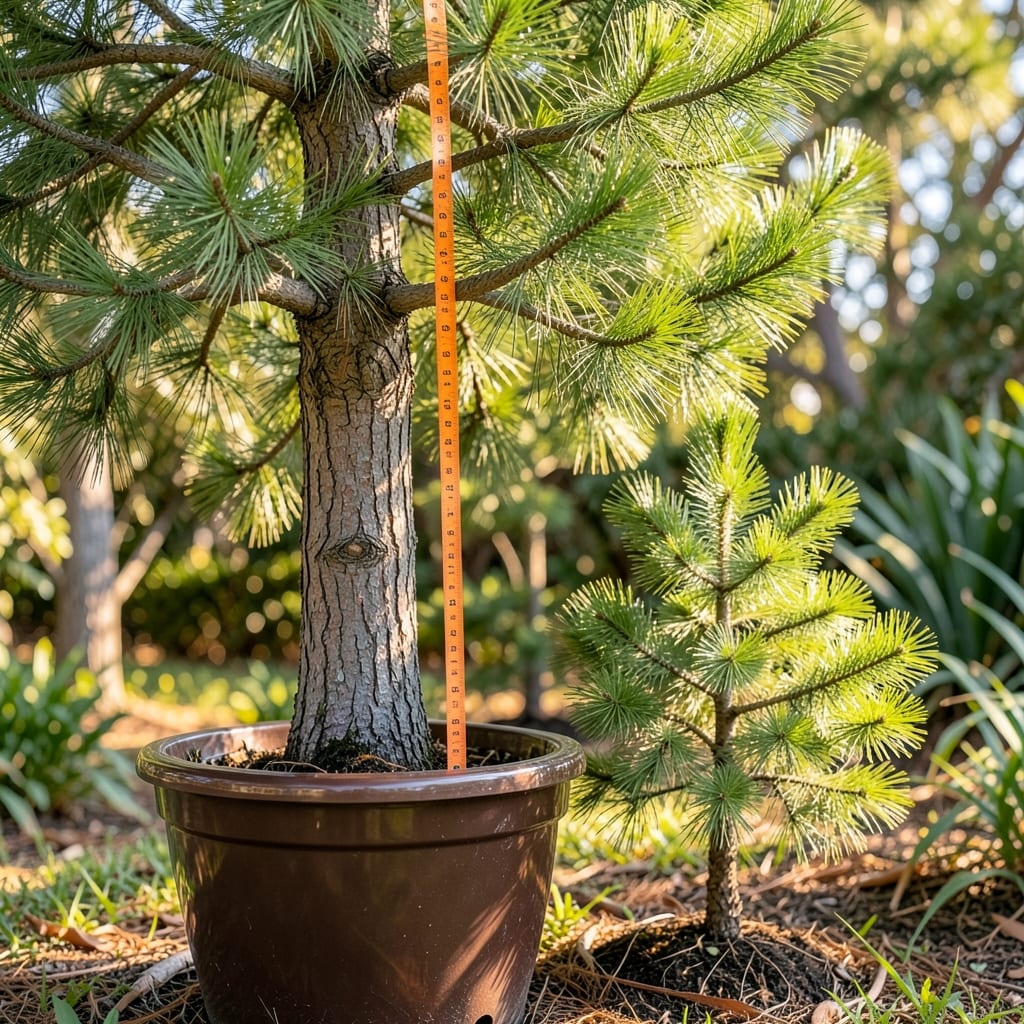
If you’ve ever stared at a towering 🎄 Christmas Tree and wondered, "How tall can a Christmas Tree grow?"—the answer might surprise you. Some varieties barely reach your shoulders, while others stretch taller than a 3-story building, with the record-breaking Norway spruce soaring over 200 feet in ideal conditions.
The truth is, your Christmas Tree’s height depends on more than just its species. Soil quality, sunlight exposure, and even pruning habits play a huge role in whether your tree becomes a cozy tabletop decoration or a backyard giant. Whether you’re dreaming of a dwarf variety for your patio or a full-sized tree for holiday cheer, understanding these factors is key to growing the perfect specimen.
In this guide, I’ll break down the height ranges of popular Christmas Tree species, from the tiny Teddy Bear spruce to the mighty Fraser fir, and share expert tips to encourage (or control) growth based on your space and climate. Ready to grow a tree that steals the show? Let’s dive in.
You’ll also discover common misconceptions about growth rates—like whether fertilizing more makes a tree taller—and how to create the perfect conditions for a healthy, show-stopping Christmas Tree**, no matter your yard’s size. Let’s get started!


Christmas Tree height by species: from dwarf varieties to record-breaking giants
When choosing a Christmas Tree, height isn’t just about aesthetics—it’s about the species you select. Some varieties stay compact enough for urban gardens, while others grow into towering forest giants. The Norway spruce, for example, can reach 200+ feet in ideal conditions, while the Teddy Bear spruce stays a cozy 3-4 feet tall. Understanding these differences helps you pick the perfect tree for your space and goals.
I’ve grown everything from dwarf varieties in my backyard to standard-sized trees in larger plots, and the variations are staggering. Whether you're dreaming of a holiday centerpiece or a living windbreak, the species you choose will dictate how much space you’ll need—and how long you’ll wait for that perfect height.
Here’s a breakdown of the most popular Christmas Tree species, their mature heights, and the conditions that help them reach their full potential:
The Norway spruce and Douglas fir are the tallest Christmas Tree species, often reaching 200 feet in their native forests. However, these giants require spacious yards and decades of growth. If you’re working with limited space, dwarf varieties like the Teddy Bear spruce or Dwarf Alberta spruce are ideal—they mature in just a few years and add holiday charm without overwhelming your landscape.
For a balance between height and manageability, semi-dwarf varieties like the 'Nidiformis' Norway spruce (12-20 ft) are perfect for suburban yards. These trees grow at a controlled rate while still offering that classic Christmas Tree silhouette. I’ve seen them thrive in <
What determines a Christmas Tree’s height: genetics, soil, and growing conditions
If you’ve ever planted a Christmas Tree seedling and wondered why one grows into a towering giant while another stays stunted, the answer lies in a mix of genetics, soil quality, and growing conditions. I’ve watched my own trees transform from tiny saplings to 6-foot wonders, and the difference between a thriving specimen and a struggling one often comes down to these key factors. Let’s break down what truly determines how tall your Christmas Tree will grow.
The genetics of your tree play the biggest role—some species are naturally tall-growing, like the Douglas fir or Norway spruce, while others stay compact, like the Teddy Bear spruce. But even within the same species, environmental factors can push a tree to reach its full potential—or hold it back. For example, a Fraser fir might only hit 30 feet in a crowded urban yard but soar to 70 feet in a spacious forest with ideal conditions.
Here’s what really influences your tree’s height—and how you can optimize it for the tallest, healthiest growth possible:
One of the biggest misconceptions I hear is that fertilizing more will make a Christmas Tree grow taller. While balanced fertilization (like a 10-10-10 NPK mix in spring) supports growth, overdoing it can lead to leafy but short trees. The key is root health—a strong root system anchors the tree and allows it to reach for the sky. I’ve seen trees double in height in just two years when given the right care, but neglecting soil health or sunlight can leave you waiting decades for a 6-foot tree.
If you’re growing a Christmas Tree in an urban setting, where space is limited, focus on dwarf or semi-dwarf varieties and prioritize soil health and sunlight. Even in tight spaces, a well-cared-for Teddy Bear spruce can reach its full 3-4 ft height in just a few years. For taller trees, give them room to stretch—and watch them become the showstopper of your landscape.
🌲