
Size
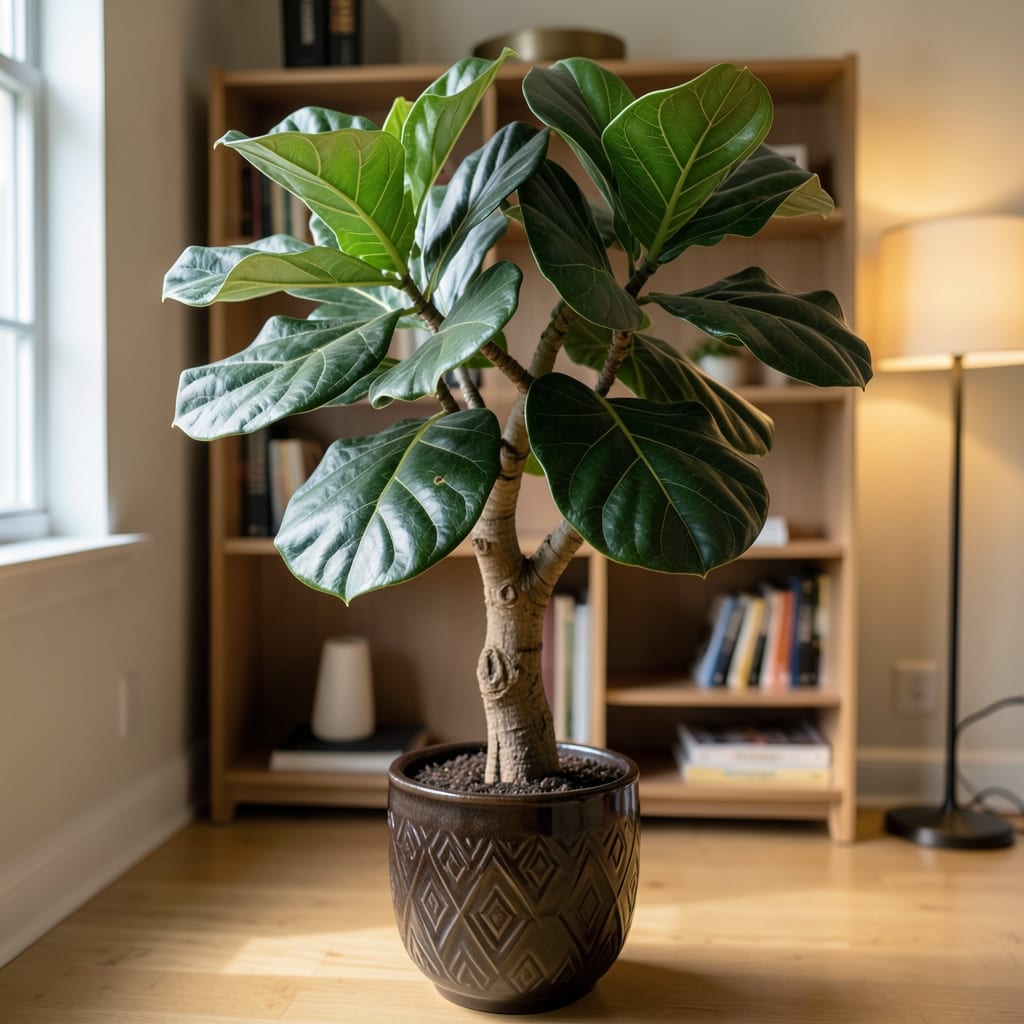
If you’ve ever glanced at your fiddle leaf fig and wondered how tall do they grow, you’re not alone. These striking plants can grow surprisingly tall—some varieties reaching 10 feet indoors or even 30 feet outdoors in ideal conditions. But don’t panic: with the right care, you can steer its growth to fit your space perfectly.
The key to managing your fiddle leaf fig’s height lies in understanding its natural growth patterns and how factors like light, pruning, and pot size play a role. Whether you’re dealing with a fast-growing ‘Amelie’ or a more compact variety, knowing what to expect helps you plan ahead. I’ll break down exactly how tall your plant might get—and how to keep it from taking over your living room.
Many plant owners assume these figs will always grow tall, but the truth is, their height is highly manageable. With simple techniques like strategic pruning, proper lighting, and choosing the right pot, you can encourage a bushier, more controlled shape. Plus, I’ll share tips to spot early signs if your plant is outgrowing its home before it becomes a problem.
Ready to turn your fiddle leaf fig from a potential space invader into a stunning centerpiece? Let’s dive into the growth charts, care secrets, and space-saving tricks that’ll keep your plant thriving—without the drama. Your home (and ceiling) will thank you.


Fiddle leaf fig height by variety: growth charts & mature size expectations
Your fiddle leaf fig’s height depends heavily on its variety, with some reaching 10 feet indoors while others stay under 5 feet. Understanding these differences helps you choose the right plant for your space. The most common varieties vary significantly—some grow fast and tall, while others remain compact with proper care.
For example, the ‘Amelie’ variety is one of the fastest growers, often reaching 6-8 feet indoors within 3-5 years. Meanwhile, the ‘Bambino’ stays smaller, typically maxing out at 4-5 feet. These differences aren’t just about aesthetics—they also affect how much light, water, and maintenance your plant will need.
Outdoor fiddle leaf figs in USDA Zones 10-12 can grow even taller, sometimes 15-30 feet, but indoor plants rarely reach that height due to limited space and controlled conditions. If you’re growing yours indoors, expect slower growth unless you provide ideal conditions like bright indirect light and regular pruning.
Here’s how the most popular varieties compare in terms of height and growth rate:
| Variety | Mature Height (Indoor) | Growth Rate | Space Needs |
|---|---|---|---|
| ‘Amelie’ | 6-8 ft | Fast (1-2 ft/year) | Large room, high ceiling |
| ‘Variegata’ | 5-7 ft | Moderate (1 ft/year) | Medium to large space |
| ‘Bambino’ | 4-5 ft | Slow (6-12 in/year) | Small to medium space |
| Standard (non-varietal) | 8-10 ft | Moderate-Fast (1-1.5 ft/year) | Large room or atrium |
If you’re wondering how your fiddle leaf fig will look as it matures, think of it like a small tree. A 6-foot-tall plant will easily surpass most indoor bookshelves, while a 10-foot specimen can become a statement piece in a spacious living room or greenhouse. The key to managing height is understanding your plant’s growth rate early on.
For instance, if you have a ‘Amelie’, expect it to grow 1-2 feet per year if given optimal care. That means in just 5 years, it could reach ceiling height in a standard home. On the other hand, a ‘Bambino’ might only grow 6-12 inches per year, making it a better fit for smaller spaces.
Light exposure plays a huge role in height control. Fiddle leaf figs grown in bright indirect light tend to grow taller and leggier, while those in slightly lower light may stay bushier. If you notice your plant stretching toward a window, it’s a sign it needs more light—or less of it, depending on your space constraints.
Another factor to consider is pruning. Regular pruning can significantly reduce height by encouraging lateral growth. For example, cutting back the top growth of a ‘Amelie’ by 1/3 can trigger bushier growth, keeping it under 5 feet even if it’s genetically capable of reaching 8 feet. I’ll cover pruning techniques in more detail in the next section.
Don’t forget that pot size also affects height. A fiddle leaf fig in a large pot will grow taller faster because it has more room to develop roots and support upward growth. If you want to keep your plant compact, opt for a smaller pot and repot only when necessary. This slows down vertical growth while still allowing the plant to thrive.
Finally, remember that outdoor fiddle leaf figs in warm climates can grow much taller—up to 30 feet—but indoor plants rarely reach that height. If you’re growing yours outside in USDA Zone 10 or warmer, expect it to grow taller and faster, requiring more space and maintenance.
How to control fiddle leaf fig height: pruning, training & space-saving techniques
If your fiddle leaf fig is growing too tall for its space, don’t worry—you can easily manage its height with a few simple techniques. The key is pruning, which not only controls height but also encourages a fuller, bushier appearance. Pruning is best done in spring or early summer when the plant is actively growing. Always use sterilized pruning shears to avoid introducing diseases.
Start by identifying the main stem and any long, leggy branches. Cut just above a leaf node (the bump where leaves grow) to encourage new growth from that point. For a ‘Amelie’ that’s reaching 6 feet, pruning the top growth by 1/3 can reduce its height by 1-2 feet while promoting bushier side branches.
Here’s a step-by-step guide to pruning your fiddle leaf fig for height control:
- Step 1: Wait until spring or early summer when new growth is active.
- Step 2: Identify the tallest branches or leggy stems you want to reduce.
- Step 3: Cut just above a leaf node using sterilized pruning shears.
- Step 4: Remove any dead, yellow, or damaged leaves or branches.
- Step 5: Water thoroughly after pruning to help the plant recover.
- Step 6: Place the plant in bright indirect light to encourage new growth.
Another effective technique is training, where you guide the plant’s growth using support structures like bamboo stakes or trellises. This method works well for varieties like the ‘Variegata’, which can grow tall but benefit from directed growth. Simply tie the main stem to the stake as it grows, encouraging upward growth while keeping it stable and controlled.
For even more control, consider topping your fiddle leaf fig. This involves cutting the top of the plant back to just above a leaf node, which triggers the growth of multiple side branches. Topping is ideal for standard varieties that can reach 10 feet indoors. After topping, your plant may look bare for a few weeks, but new shoots will emerge from the sides, creating a fuller, more compact shape.
If you’re dealing with a ‘Bambino’ or another dwarf variety, you might not need aggressive pruning. Instead, focus on regular maintenance like trimming leggy stems and removing spent leaves. This keeps the plant healthy and encourages a natural, balanced shape without sacrificing its compact size.
Finally, always choose the right pot size to influence height. A fiddle leaf fig in a large pot will grow taller faster, while a smaller pot restricts root growth and slows vertical expansion. If you want to keep your plant under 5 feet, opt for a pot that’s only slightly larger than its root ball and repot only when necessary.
With these techniques, you can keep your fiddle leaf fig at the perfect height for your space—whether that’s a tall statement piece or a compact tabletop plant. The key is consistency: prune regularly, train as needed, and choose the right pot to maintain the height you desire.