
Size
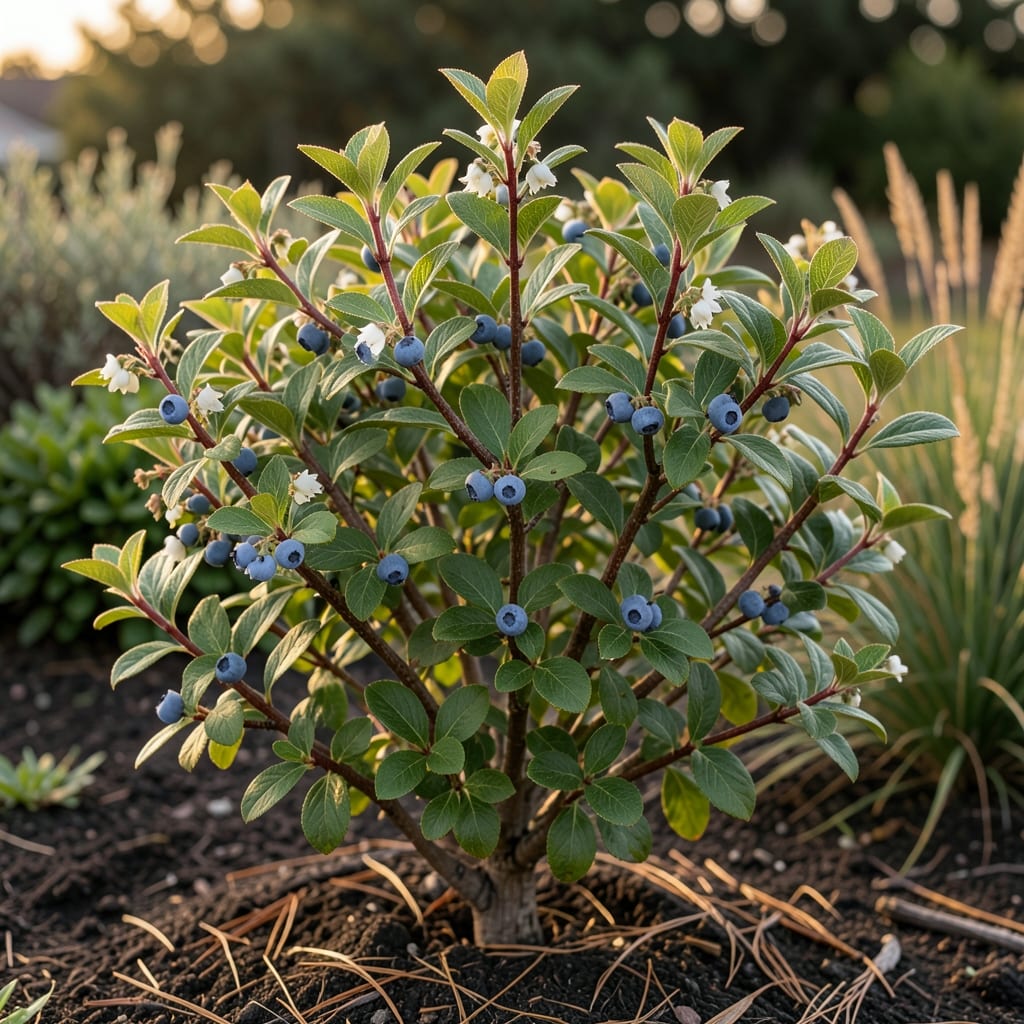
If you’ve ever wondered how tall can blueberry bushes grow while dreaming of a backyard bursting with sweet 🫐 treats, you’re not alone. Many gardeners assume these bushes need sprawling space—but the truth is, some varieties stay surprisingly compact while delivering jaw-dropping yields.
Blueberry bushes typically range from 3 feet to towering 12 feet, depending on the variety and care. Dwarf types like 'Top Hat' max out at just 2-3 feet, making them perfect for containers, small yards, or even urban balconies. Meanwhile, standard varieties stretch toward 6-12 feet, ideal for orchards or larger landscapes.
What’s the key to controlling their height? Pruning, soil acidity, and sunlight play huge roles. With the right techniques, you can keep even taller varieties manageable while boosting fruit production. I’ll break down the best space-saving options and care tips to help you grow a thriving blueberry patch—no matter how limited your space.
Ready to turn your tiny garden into a blueberry paradise? Let’s explore the varieties that defy expectations and the simple tricks to keep them in check.

Blueberry bush height guide: from dwarf to standard varieties
Blueberry bushes come in a surprising range of sizes, from dwarf varieties under 3 feet to towering standard bushes reaching 12 feet. The height you’ll achieve depends on two key factors: the variety you choose and how you care for the plant. Understanding these differences helps you pick the perfect fit for your space—whether that’s a container on your patio or a landscape feature in your yard.
Most blueberry bushes fall into three height categories: dwarf (2-4 ft), semi-dwarf (4-6 ft), and standard (6-12 ft). Dwarf varieties are bred specifically for small spaces, while standard types thrive in orchards or larger gardens. Even within these categories, growth habits vary—some bushes spread wider than they grow tall, while others reach skyward with minimal width.
Another critical factor is the species type. Northern highbush varieties (like 'Bluecrop') tend to grow taller, while Southern highbush types (like 'O'Neal') often stay more compact. Lowbush varieties, native to the Northeast, rarely exceed 2 feet and are ideal for ground covers or rock gardens. Knowing these distinctions helps you avoid overcrowding and ensures your bushes get the sunlight and airflow they need to produce fruit.
🌱
Blueberry Bush Height Summary
| Type | Height Range | Spread | Best For |
|---|---|---|---|
| Dwarf | 2–4 ft | 3–5 ft | Containers, small yards, urban gardens |
| Semi-Dwarf | 4–6 ft | 5–7 ft | Small landscapes, raised beds |
| Standard | 6–12 ft | 6–10 ft | Orchards, large gardens, privacy screens |
| Lowbush | 1–2 ft | 2–3 ft | Ground covers, wildflower gardens |
Note: Heights vary by variety and growing conditions.
If you’re growing blueberries in containers or small spaces, dwarf varieties are your best bet. They mature quickly and produce fruit in just 2-3 years, unlike standard bushes that can take 5+ years to bear. For example, the 'Top Hat' variety stays under 3 feet while yielding 2-3 pounds of berries per plant—perfect for a 5-gallon pot on your balcony.
For larger spaces, standard varieties offer higher yields and longer productivity. However, they require regular pruning to control height and maintain airflow, which reduces disease risk. Without proper care, even dwarf bushes can grow taller than expected, especially if planted in rich, fertile soil with plenty of sunlight.
One common misconception is that taller bushes always produce more fruit. In reality, well-pruned dwarf bushes often outperform unmanaged standard varieties. The key is balancing height control with bush density—aim for a compact, multi-stemmed shape to maximize fruit-bearing branches. This approach works especially well in USDA Zones 4-9, where blueberries thrive.
🌿
Soil conditions also play a huge role in height. Blueberries need acidic soil (pH 4.5-5.5) to grow properly. If your soil is too alkaline, bushes may become leggy and weak, reaching for sunlight instead of growing bushy. Amending soil with peat moss or sulfur keeps them compact and healthy. Additionally, well-draining soil prevents root rot, which can stunt growth or cause bushes to grow unevenly.
Light exposure is another game-changer. Blueberries need 6+ hours of full sun daily to reach their full potential. In shadier spots, they’ll grow taller but produce fewer berries and may become susceptible to pests. If you’re limited to partial shade, choose lowbush varieties or dwarf types that tolerate 4-6 hours of sun.
Finally, don’t underestimate the power of pruning and training. Even standard varieties can be kept under 6 feet with consistent pruning. By removing dead or overcrowded branches and shaping the bush annually, you encourage bushier, fruit-heavy growth while controlling height. I’ll cover these techniques in detail in the next section—stay tuned!
✂️
Top 5 space-saving blueberry varieties under 3 feet tall
If you’re dreaming of blueberries but lack space, don’t worry—these compact varieties prove you don’t need a sprawling garden. All five stay under 3 feet tall while delivering sweet, plump berries perfect for containers, small yards, or even windowsill gardens. Whether you’re in USDA Zones 4-9 or an urban balcony, these varieties thrive with minimal room.
My top pick for beginners is 'Top Hat', a Southern highbush variety that maxes out at 2-3 feet and produces 2-3 pounds of berries per plant annually. It’s self-pollinating, disease-resistant, and perfect for 5-gallon pots. For a prolonged harvest season, try 'Peach Sorbet', a rabbiteye variety with peach-tinged berries and a 2-3 foot height—ideal for containers or raised beds.
🌱
Compact Blueberry Varieties Comparison
| Variety | Height | Spread | Yield | Best For |
|---|---|---|---|---|
| Top Hat | 2-3 ft | 3-4 ft | 2-3 lbs | Containers, small yards |
| Peach Sorbet | 2-3 ft | 3-4 ft | 1-2 lbs | Raised beds, pots |
| Sunshine Blue | 2-3 ft | 3-4 ft | 1-2 lbs | Urban gardens, balconies |
| Patriot | 3-4 ft | 4-5 ft | 3-4 lbs | Landscaping, small yards |
| Jubilee | 2-3 ft | 3-4 ft | 2-3 lbs | Containers, cold climates |
Note: All varieties thrive in acidic soil (pH 4.5-5.5) and full sun.
For cold climates (Zones 3-5), 'Jubilee' is a standout—its hardy roots handle frost better than most dwarf varieties, and it produces sweet, firm berries perfect for baking or fresh eating. If you love early-season fruit, 'Sunshine Blue' is my favorite; it ripens 2-3 weeks earlier than standard varieties and stays under 3 feet, making it ideal for balcony gardens.
One variety that often surprises gardeners is 'Patriot', a semi-dwarf that maxes out at 3-4 feet but yields 3-4 pounds of berries—nearly double what dwarf types produce. It’s also disease-resistant and thrives in USDA Zones 4-8, making it a great choice for small landscapes or hedgerows. The trade-off? It needs slightly more space than true dwarfs, so pair it with companion plants like thyme or lavender to fill gaps.
🌿
When choosing a variety, consider your growing zone and pollination needs. Most dwarf varieties are self-pollinating, but planting two different types (like 'Top Hat' and 'Peach Sorbet') can boost yields by 20-30%. For container gardening, ensure your pot has drainage holes and use a well-draining, acidic mix (like 50% peat moss, 30% pine bark, 20% perlite). In-ground plantings need 3-4 feet of space between bushes for airflow, even if they’re dwarf varieties.
Pro tip: If you’re in a