
How To
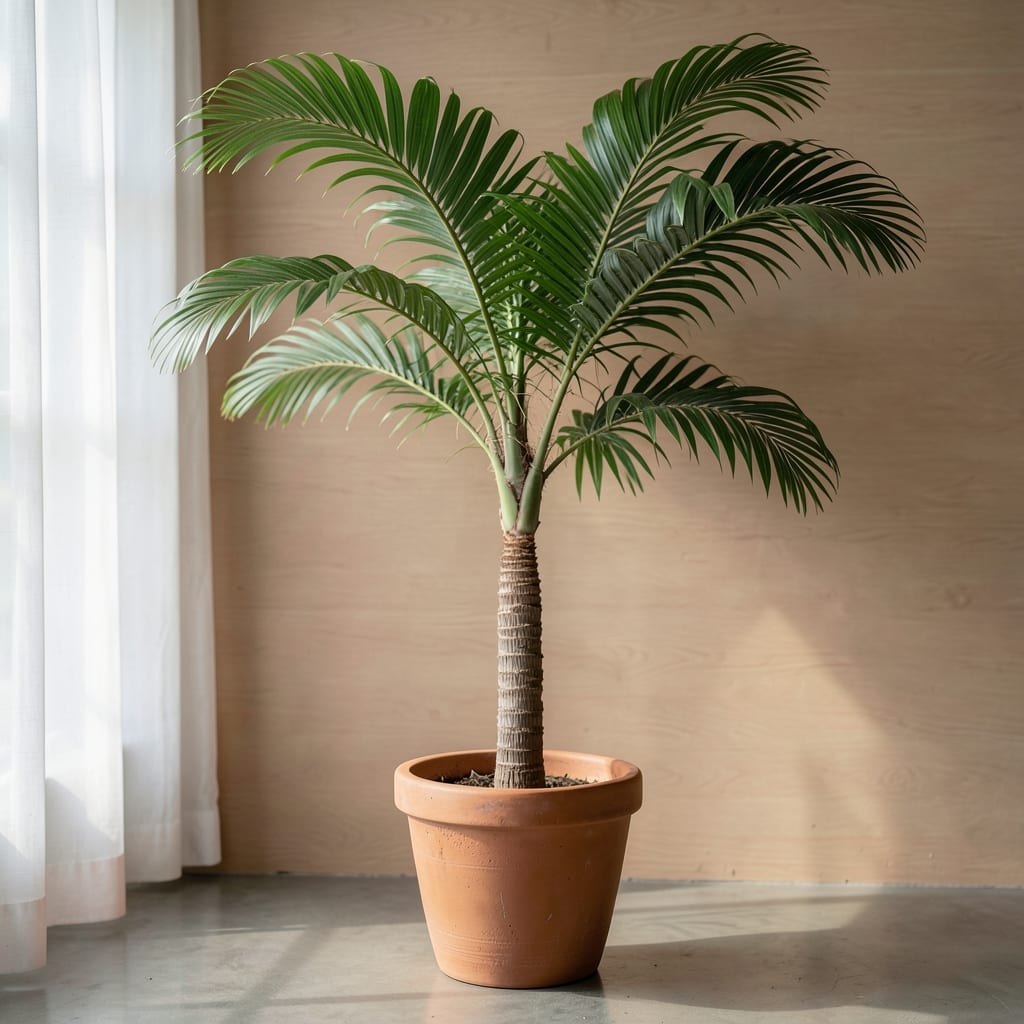
Areca palm growth height: standard varieties and their mature sizes
If you’ve ever admired the lush, arching fronds of an areca palm in a tropical setting, you might wonder how tall these stunning plants grow in your own space. The answer depends on the variety, growing conditions, and whether you’re keeping it indoors or outdoors. On average, standard areca palms (Dypsis lutescens) reach 10–20 feet tall outdoors in warm climates, but when grown indoors, they typically max out at 6–12 feet. This makes them perfect for large rooms, conservatories, or even as statement plants in lobbies.
For context, think of a standard areca palm as reaching the height of a basketball hoop (10 feet) in ideal outdoor conditions, but when potted indoors, it’s more like the height of a standard door (6–7 feet). The key difference comes down to light exposure, pot size, and care routine. Let’s break down the growth expectations for popular varieties and what factors influence their height.
| Variety | Indoor Height | Outdoor Height | Growth Rate | Notes |
|---|---|---|---|---|
| Golden Cane | 8–12 ft | 15–20 ft | Moderate (1–2 ft/year) | Bright yellow-green fronds; needs bright, indirect light |
| Mona Lavender | 6–10 ft | 12–15 ft | Slow to moderate | Purple-tinged fronds; thrives in humidity |
| Standard Areca | 6–12 ft | 15–25 ft | Moderate (1–2 ft/year) | Classic green fronds; most common variety |
| Dwarf Areca | 4–6 ft | 8–10 ft | Slow (6–12 in/year) | Compact; ideal for small spaces |
The Golden Cane variety is one of the most popular for indoor spaces because its bright yellow-green fronds add a pop of color while staying within a manageable height of 8–12 feet indoors. If you’re looking for something with a unique twist, the Mona Lavender variety offers purple-tinged fronds and grows slightly slower, making it easier to control its height. Both varieties thrive in bright, indirect light, which is crucial for maintaining their vibrant colors and healthy growth.
One of the biggest factors influencing how tall your areca palm grows is the amount of light it receives. These palms love bright indirect light, such as what you’d find near an east or west-facing window. If placed in a spot with low light, growth will slow significantly, and the fronds may become thinner and less vibrant. On the flip side, direct sunlight can scorch the leaves, leading to brown patches and stunted growth. Finding that sweet spot is key to encouraging healthy, steady growth without letting your palm shoot up too quickly.
Another critical factor is pot size. Areca palms are notorious for outgrowing their pots, which can lead to root-bound conditions and slower growth. If you want to control the height of your palm, choose a pot that’s only slightly larger than the current root ball—typically 2–4 inches wider than the previous container. This limits the space for roots to spread, which in turn slows vertical growth. However, be cautious: a pot that’s too small can stress the plant and lead to other issues like yellowing fronds or root rot.
For those growing areca palms outdoors in USDA zones 10–12, expect them to reach their full mature height of 15–20 feet given enough space and ideal conditions. Outdoors, these palms can grow 1–2 feet per year under optimal care. If you’re in a cooler climate, your best bet is to grow them indoors year-round, where their growth rate will naturally be slower due to limited sunlight and controlled environments. Even then, with proper care, they can still reach 6–12 feet, making them a stunning indoor feature.
Age also plays a role in how tall your areca palm grows. In their first year, you can expect a 2–4 foot increase in height. By year two, they’ll likely add another 2–4 feet, and by year three, growth can accelerate to 4–6 feet per year if conditions are ideal. This rapid growth phase is why many gardeners opt for <
Best dwarf areca palms under 6 feet for small spaces
If you’re dreaming of an areca palm’s tropical charm but need a space-saving solution, dwarf varieties are your best bet. These compact beauties stay under 6 feet tall while delivering the same lush, air-purifying benefits. Whether you’re furnishing a tiny apartment, brightening an office corner, or adding greenery to a small patio, these varieties thrive in tight spaces without sacrificing their stunning appearance.
One of the most popular dwarf options is the ‘Mini Areca’, a true miniature version of the classic palm. This variety typically maxes out at 4–5 feet tall indoors, making it perfect for bookshelves, countertops, or corner nooks. Its fine, feathery fronds mimic the look of its larger cousins but with a fraction of the footprint. Another standout is the ‘Bamboo Palm’ hybrid, which often stays under 5 feet and boasts arching, bamboo-like fronds that add a modern twist to traditional palm aesthetics.
🌱 Pros & Cons of Dwarf Areca Palms
- Space-saving: Fits in small apartments
- Low maintenance: Thrives in indoor conditions
- Air purification: Removes toxins like larger varieties
- Slow growth: Easier to control height
- Limited outdoor use: Not frost-hardy
- Slower growth: Takes longer to fill out
- Higher cost: Dwarf varieties often pricier
- Light-dependent: Needs bright indirect light
For those who love a pop of color without the height, consider the ‘Golden Cane Dwarf’ variety. This compact version of the classic Golden Cane features bright yellow-green fronds but stays under 5 feet tall. It’s ideal for sunny living rooms or kitchens where you want a tropical vibe without overwhelming the space. Another unique option is the ‘Mona Lavender Dwarf’, which inherits its parent’s purple-tinged fronds while maintaining a 4–5 foot height. This variety adds a dramatic splash of color to any room.
To keep your dwarf areca palm thriving—and prevent it from outgrowing its space—focus on a few key care tips. First, place it near an east or west-facing window to ensure it gets bright, indirect light without risking leaf burn. Second, use a pot with drainage holes and well-draining soil to prevent root rot, which can stunt growth. Finally, fertilize lightly every 4–6 weeks during spring and summer to encourage healthy, controlled growth.
If you’re worried about your dwarf areca palm growing too tall too quickly, don’t fret—these varieties are naturally slow growers. With proper care, you can expect only 6–12 inches of growth per year, making them one of the easiest palms to manage in small spaces. Plus, their slow growth rate means you won’t need to repot frequently, which is a bonus for busy plant parents.
For the ultimate space-saving solution, pair your dwarf areca palm with a small, decorative pot and a plant stand or shelf to elevate it without taking up floor space. This way, you get all the tropical beauty and air-purifying benefits of an areca palm without the bulk. Whether you choose the ‘Mini Areca’, ‘Bamboo Palm’ hybrid, or a colored dwarf variety, these compact palms prove that big style doesn’t require big space.