
Plants
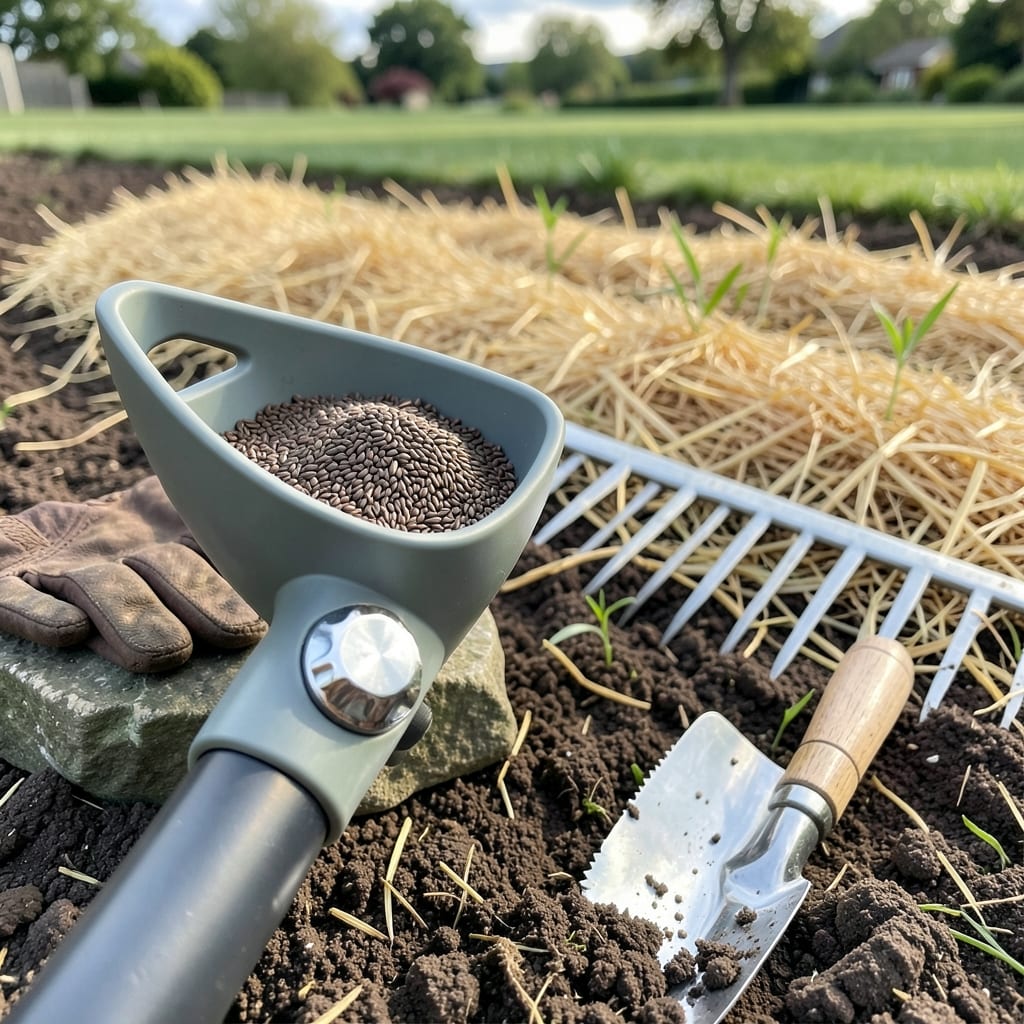
Timing your grass seed when to plant in the fall can mean the difference between a lush lawn next spring and wasted effort. The key isn't just picking a random weekend in September - it's about understanding your local climate and giving those seeds the perfect window to establish roots before winter sets in.
For most of us in Zone 6a, that ideal planting window opens just 4-6 weeks before your first frost - typically late September through early October. This timing lets the grass grow strong roots while still benefiting from cooler fall temperatures that reduce weed competition and water evaporation.
What makes fall planting so effective? The cooler weather actually helps grass seeds germinate more evenly and reduces stress on young plants. Plus, you'll avoid the intense summer heat that can dry out new seedlings. Let me show you exactly how to match your planting schedule to your specific climate zone for maximum success.
We'll cover everything from soil prep to weather watch, so you can plant with confidence and wake up to that perfect green carpet next spring. The secret's in the timing - and I'll give you all the details you need to get it right.
Best fall grass seed planting dates by US climate Zone
Finding the perfect time to plant grass seed in fall depends entirely on your USDA climate zone. The goal is to give seeds 4-6 weeks of warm soil before the ground freezes. In Zone 6a, this typically means planting between late September and early October, but timing shifts dramatically as you move north or south.
Northern regions like Zones 3-5 have shorter growing seasons, so you'll want to plant 6-8 weeks before frost—usually mid-August to early September. Meanwhile, Southern zones (7-10) can extend planting until late October or November since frost arrives much later. Let's break down the exact windows for each zone to help you plan.
Here's the key rule: Soil temperature should stay above 50°F (10°C) for consistent germination. Cooler nights help reduce weeds, but seeds need warmth to sprout. The ideal window is when daytime temps are 60-75°F (15-24°C) and nights stay above 40°F (4°C).
For example, in Zone 6a, where I live, the first frost typically hits October 15. Counting back 6 weeks gives us early September as the sweet spot. But if you're in Zone 8, you might still be planting in November—just check your local frost dates first!
Pro tip: Use your local cooperative extension office or a frost calendar to pinpoint your exact dates. Many regions also provide weekly planting guides based on historical weather patterns. This precision makes all the difference between a thriving lawn and wasted seed.
| USDA Zone | Ideal Planting Window | Soil Temp Requirement | Key Consideration |
|---|---|---|---|
| Zones 3-5 (Cold Climates) | Mid-August to early September | 50-65°F (10-18°C) | Short growing season; plant early |
| Zones 6-7 (Temperate) | Late September to early October | 55-70°F (13-21°C) | Balanced timing for root growth |
| Zones 8-10 (Warm Climates) | October to November | 60-75°F (15-24°C) | Later frost dates allow extended planting |
| Transitional Zones (e.g., 5b-6a) | Early September to mid-October | 50-68°F (10-20°C) | Flexible window; monitor weather |
While these general guidelines work for most areas, I always recommend checking your local frost dates for the most accurate timing. For instance, Zone 6a might see frost by October 15, but if you're in Zone 6b, you could push planting until mid-October. The USDA Plant Hardiness Zone Map is your best friend here.
Another critical factor is rainfall patterns. If your area typically gets consistent rain in September, you might delay planting slightly. But if drought is common, aim for the earliest possible window to ensure seeds get enough moisture. I once planted too late in Zone 6a and had to deal with dry soil that killed half my seeds—don't make that mistake!
For cool-season grasses like Kentucky Bluegrass, Fescue, and Ryegrass, fall planting is ideal because these varieties thrive in cooler weather. Warm-season grasses like Bermuda or Zoysia should skip fall entirely—they need summer heat to germinate. Always double-check your seed packet for specific recommendations.
Finally, keep an eye on your local weather forecast in the weeks leading up to planting. A heatwave in September can dry out soil too quickly, while an early frost in October might cut your window short. Flexibility is key—if your ideal dates are approaching and the weather looks uncertain, it's better to plant a little early than risk missing the boat.
Remember, the earlier you plant in fall, the more time your grass has to establish roots before winter. But don't plant so early that seeds sprout and then face summer heat stress. The sweet spot is when your lawn has 4-6 weeks of growth before the ground freezes—this gives roots a strong foundation for spring.
How to prepare your lawn for fall grass seed planting
Preparing your lawn properly before planting fall grass seed is the secret to a thick, healthy lawn next spring. Skipping this step often leads to poor germination and weed competition. Start by testing your soil pH—ideal levels for most grasses are between 6.0 and 7.0. If your soil is too acidic or alkaline, amend it with lime or sulfur 4-6 weeks before planting to give the soil time to adjust.
Next, focus on removing weeds and debris, which can block sunlight and nutrients from reaching your new grass. Use a broadleaf herbicide if needed, but avoid applying it within 2-3 weeks of planting. For stubborn weeds like crabgrass, hand-pull them first, then spot-treat with a natural vinegar-based solution for organic control.
Here's where many gardeners make their first mistake: skipping aeration. Compacted soil prevents roots from penetrating deeply, which is crucial for fall planting. Rent a core aerator or hire a service to create 1/2-inch holes every 2-3 inches across your lawn. This step alone can double your germination success by improving soil contact with seeds.