
How To
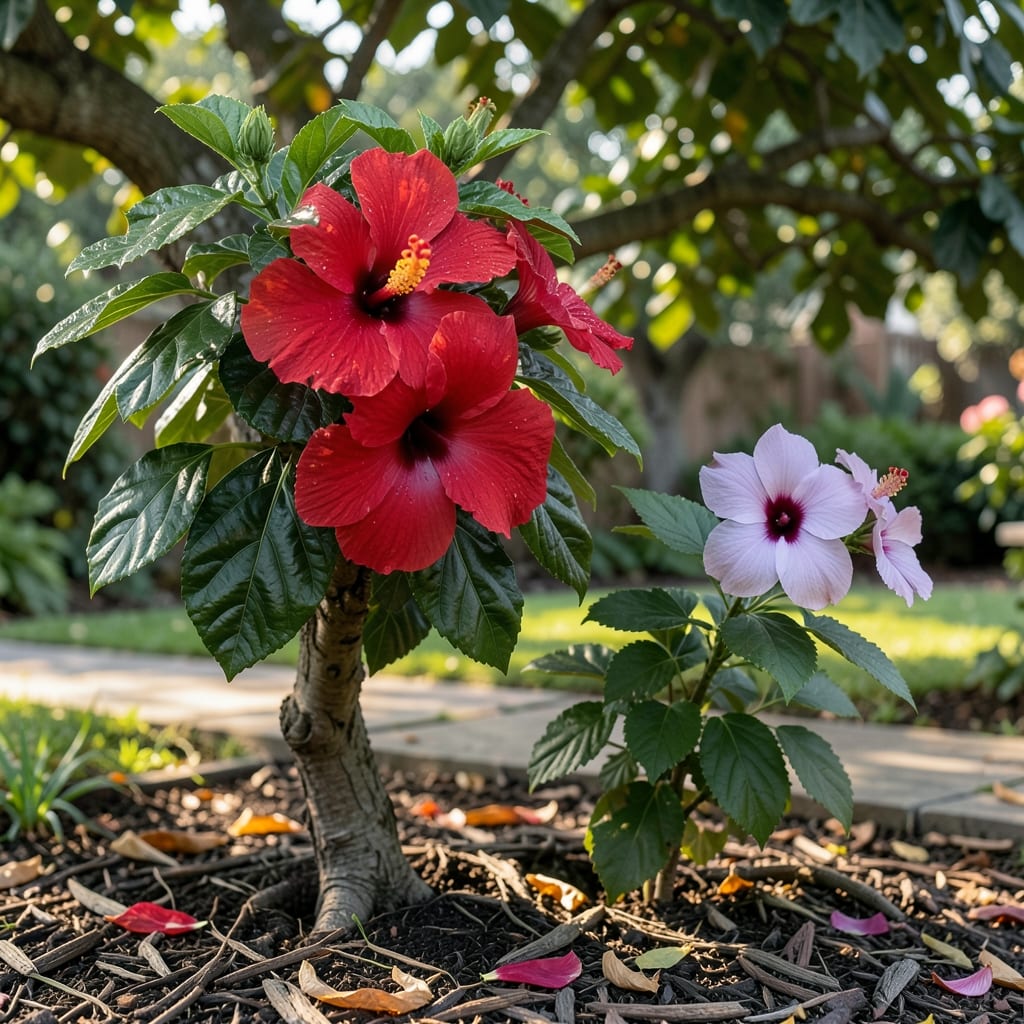
Wondering how tall hibiscus do they grow in your garden? The answer might surprise you—these vibrant 🌸 beauties range from compact 3-foot shrubs to towering 12-foot giants, depending on the variety and care you provide.
If you're working with limited space, dwarf hibiscus varieties like 'Pixie' stay under 5 feet, perfect for containers or small gardens. On the other hand, tropical giants like Hibiscus rosa-sinensis can reach 10 feet or more when given the right conditions.
Whether you're planning a cozy patio garden or a bold backyard statement, understanding your hibiscus's growth potential is key. From pruning tips to soil preferences, I'll break down everything you need to know to keep your plants at your ideal height.
Ready to transform your outdoor space with stunning hibiscus blooms? Let's dive into the varieties, care tips, and secrets to controlling their size—so you can enjoy their beauty without the overgrowth!

Hibiscus height ranges by variety: from dwarf to 10-Foot giants
Hibiscus plants are famous for their show-stopping blooms, but their height varies dramatically depending on the variety. Some stay compact enough for container gardens, while others grow into tree-like giants that dominate landscapes. Knowing these height ranges helps you choose the perfect hibiscus for your space—whether it’s a balcony planter or a backyard focal point.
Most hibiscus fall into three height categories: dwarf (3–5 ft), medium (5–8 ft), and tall (8–12+ ft). The variety you pick isn’t just about aesthetics—it also affects pruning needs, bloom frequency, and even winter hardiness. Let’s explore the most popular types and their mature sizes to help you plan your garden layout.
🌸 Hibiscus Height Comparison by Variety
| Variety | Mature Height | Growth Habit | Best For |
|---|---|---|---|
| Hibiscus rosa-sinensis (Tropical) | 8–12 ft (can be pruned smaller) | Upright shrub or small tree | Privacy screens, bold focal points |
| Hibiscus syriacus (Hardy) | 5–8 ft | Multi-stemmed shrub | Borders, small gardens, containers |
| Hibiscus moscheutos (Swamp Rose) | 6–10 ft | Clumping shrub | Wetland gardens, pond edges |
| Hibiscus coccineus (Scarlet Rose) | 3–5 ft | Compact shrub | Balconies, small spaces, pollinator gardens |
| Hibiscus ‘Dwarf Red’ (Cultivar) | 2–3 ft | Bushy dwarf shrub | Containers, windowsills, fairy gardens |
If you’re working with limited space, dwarf varieties like Hibiscus coccineus or ‘Dwarf Red’ are ideal. These stay under 3–5 feet tall and thrive in containers, making them perfect for patios or balconies. Their smaller size also means less pruning maintenance, though they still reward you with bright blooms all season.
The medium-height hibiscus, such as Hibiscus syriacus (commonly called rose of Sharon), strike a balance. These grow 5–8 feet tall and work beautifully as border plants or small hedges. They’re also hardier in colder climates (USDA Zones 5–9), making them a low-maintenance choice for northern gardens.
For a dramatic statement, tall hibiscus like Hibiscus rosa-sinensis reach 8–12 feet or more. These are often grown as small trees and need regular pruning to control their size. Their tropical blooms attract hummingbirds and add year-round interest in warmer climates (Zones 9–11). In cooler areas, they’re best planted in containers** and brought indoors during winter.
One factor that influences height is pruning habits. Left unpruned, many hibiscus grow wildly tall, but strategic cuts can keep them neat and manageable. For example, Hibiscus rosa-sinensis can be trained into a tree shape by pruning side branches, while Hibiscus syriacus benefits from light annual pruning to encourage bushier growth and more blooms.
Soil and sunlight also play a role. Hibiscus grown in poor soil or partial shade may stay shorter and leggier, while those in rich, well-draining soil with full sun grow taller and fuller. If you’re in a cooler climate, choose hardy varieties like Hibiscus syriacus—they naturally stay compact and survive milder winters.
Pro tip: Check the mature height on your hibiscus’s tag before buying. Some nurseries sell young plants that look tiny but will double or triple in size once established. Plan ahead by leaving 3–5 feet of space around dwarf varieties and 8+ feet for tall types to ensure they have
How to control hibiscus growth: pruning and care tips for different heights
Once you’ve picked your hibiscus variety, the next step is managing its growth height to fit your garden vision. Pruning isn’t just about keeping plants small—it’s about encouraging healthier blooms, shaping your plant, and even preventing disease. The right techniques depend on whether you’re growing a dwarf hibiscus (like 'Dwarf Red') or a tall tropical giant (like Hibiscus rosa-sinensis). Let’s break down when, how, and why to prune for each height category.
For dwarf hibiscus (3–5 ft), pruning is minimal but strategic. These varieties naturally stay compact, so focus on light shaping cuts after blooming to remove spent flowers and encourage new growth. Use clean, sharp shears to trim back 1/3 of the stem just above a leaf node. This keeps them bushy and full while preventing legginess. Avoid heavy pruning—it can stress small plants and reduce flowering.
🌿 Step-by-Step Hibiscus Pruning Guide
- Step 1: Prune after blooming (late summer/early fall) to shape dwarf varieties.
- Step 2: Cut back dead or diseased branches to the base immediately.
- Step 3: For medium/tall hibiscus, prune 1/3 of the plant in early spring before new growth.
- Step 4: Train tall hibiscus into a tree shape by removing lower branches.
- Step 5: Always use sterilized tools to prevent bacterial spread.
Medium-height hibiscus (5–8 ft), like Hibiscus syriacus, benefit from annual pruning to maintain their size and shape. The best time is late winter or early spring, just as new growth begins. Cut back 1/3 of the plant’s height, focusing on older wood to encourage fresh, flowering stems. This also rejuvenates the plant, making it hardier and more productive. For a neat hedge look, prune regularly throughout the growing season to keep branches even.
Tall hibiscus (8–12+ ft) require the most attention. These varieties grow aggressively and need regular pruning to control their height and shape. Start with a hard prune in early spring, cutting back up to half the plant’s height to encourage a stronger framework. For a tree-like appearance, remove lower branches to create a trunk, then prune the top to control height. In warmer climates, you can prune throughout the year to maintain size, but avoid heavy cuts in late summer—this can delay fall blooms.
Beyond pruning, soil and nutrients play a huge role in controlling hibiscus height. Plant in well-draining, fertile soil with plenty of organic matter to support healthy growth. Use a balanced fertilizer (10-10-10) in spring and summer to encourage blooms, but avoid over-fertilizing—this can lead to excessive foliage and fewer flowers. For tall varieties, a slow-release fertilizer helps manage rapid growth.
Watering habits also influence height. Hibiscus grown in consistently moist soil tend to grow taller and leggier, while those with slightly drier conditions stay compact and bushy. Water deeply once or twice a week (depending on climate) and mulch around the base to retain moisture. In containers, dwarf varieties may need more frequent watering to prevent wilting, but avoid soggy soil—this can stunt growth.
Finally, don’t forget that climate affects height. Hardy hibiscus like Hibiscus syriacus naturally stay shorter in cooler zones (USDA 5–9), while tropical types like Hibiscus rosa-sinensis grow taller in warm climates (Zones 9–11). If you’re in a transition zone, grow tall varieties in containers and move them indoors in winter to control their size.