
How To
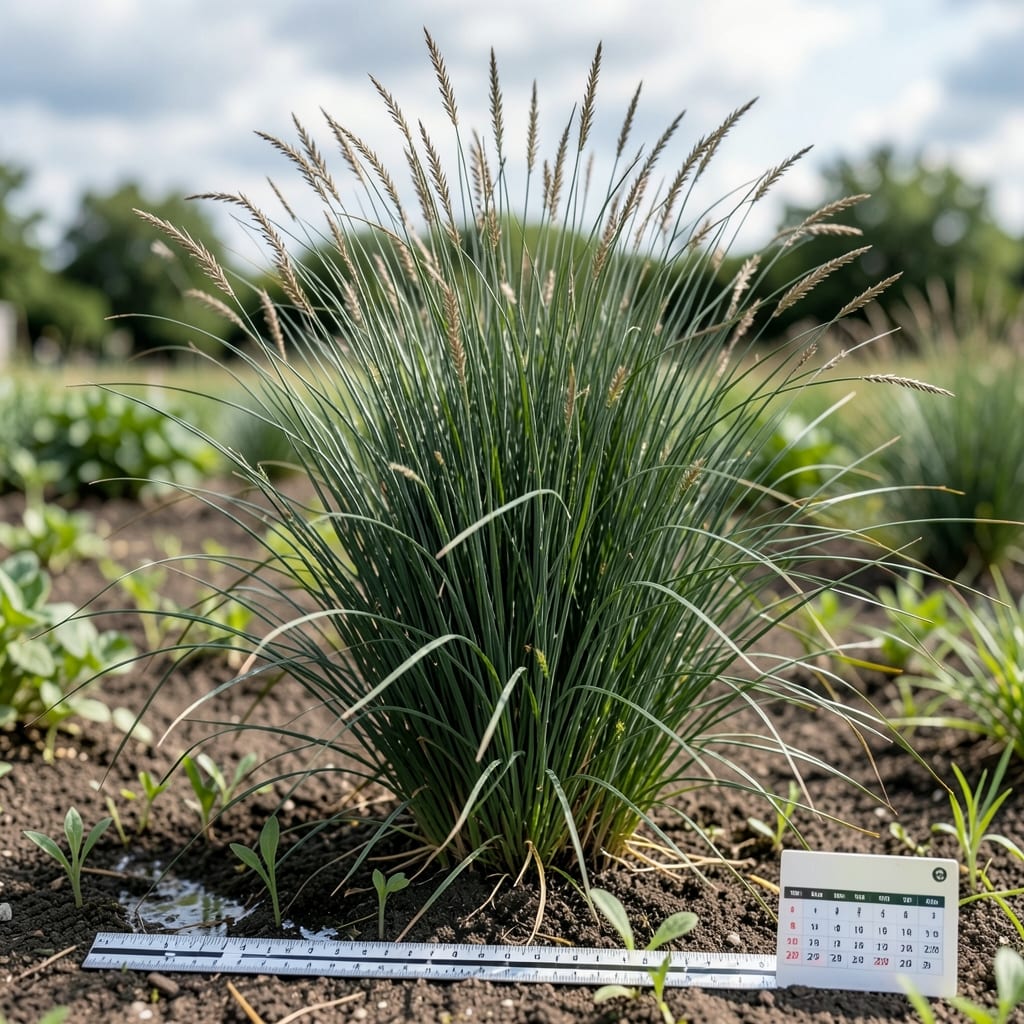
Wondering how fast tall fescue grows and whether it can turn that patchy lawn into a vibrant carpet in record time? The answer depends more on timing and care than you might think—and getting it right could mean the difference between a lush lawn in 6 weeks or waiting months for full coverage.
When planted in early spring or fall (its ideal windows), tall fescue typically germinates in 7-14 days, with noticeable growth within 3-4 weeks. But here’s the catch: full coverage takes patience, usually 60-90 days under perfect conditions. Skip the shortcuts, and you’ll miss the fastest growth window.
Soil temperature, moisture, and sunlight play starring roles in this process. Too much heat or drought? Growth slows to a crawl. Too little prep? You’re fighting an uphill battle from day one. The good news? With the right approach, you can double your grass’s growth speed—and I’ll show you exactly how.
Let’s break down the real timelines by season, plus the key factors that turn "hopeful sprouts" into a thick, green lawn. Ready to skip the guesswork and get results?


Tall fescue growth rate by season: what to expect monthly
Tall fescue grass is a popular choice for lawns because of its density, drought tolerance, and cool-season performance. But how fast does it actually grow? The answer depends on the season and your care routine. In ideal conditions, you can see noticeable growth within 3-4 weeks of planting, with full coverage taking about 3-6 months. Let’s break down what to expect each month.
Spring is the best time to plant tall fescue because soil temperatures are ideal (50-65°F). Seeds typically germinate in 7-21 days, with sprouts appearing quickly if moisture and sunlight are consistent. By month two, your lawn will start filling in, though it may still look patchy until roots establish fully.
Summer slows growth due to heat stress and drought conditions. Tall fescue goes dormant to conserve water, so you won’t see much vertical growth. However, roots continue to spread, preparing for fall’s rapid recovery. Watering deeply 2-3 times per week helps maintain some greenness.
Fall is when tall fescue really shines. With cooler temps and increased rainfall, growth speeds up again. By late fall, your lawn should be 70-80% dense if planted in spring. Overseeding in early fall can accelerate this process, giving you a thicker lawn by winter.
Winter growth slows to a crawl, but don’t worry—tall fescue stays green in USDA zones 6 and warmer. In colder climates, it may turn brown but recovers quickly in spring. Proper fall fertilization ensures it bounces back faster in early spring.
| Season | Growth Phase | Time to Coverage | Key Care Tips |
|---|---|---|---|
| Spring | Germination & Establishment | 3-6 months | Water daily, fertilize lightly after sprouts appear |
| Summer | Dormancy & Root Spread | Slow growth | Deep water 2-3x/week, avoid heavy foot traffic |
| Fall | Rapid Recovery & Thickening | 4-8 weeks (if overseeded) | Fertilize in early fall, mow at 3-4 inches |
| Winter | Dormant or Slow Growth | Minimal growth | Light watering if no snow cover, avoid walking on frozen grass |
For the fastest growth, plant tall fescue in early spring or fall when temperatures are mild. Avoid planting in extreme heat or cold, as seeds may struggle to germinate. If you overseed in fall, you’ll often see 50% coverage within 6 weeks, compared to 8-12 weeks in spring.
Mowing height also affects growth speed. Keep your tall fescue at 3-4 inches tall to encourage deeper roots and thicker blades. Shorter mowing in summer can stress the grass, slowing recovery in fall. A sharp mower blade ensures clean cuts, reducing disease risk and promoting healthier growth.
Patience is key with tall fescue—it’s not an instant lawn, but the wait is worth it. With proper care, you’ll have a dense, resilient lawn that outpaces many other grass types in long-term performance. Start with the right season, and you’ll be enjoying your lush green space in no time!
Factors that speed up or slow down tall fescue growth
If you’re wondering how fast tall fescue grows, the answer lies in your lawn’s conditions. While tall fescue is hardy and adaptable, its growth speed can double—or halve— depending on key factors like soil, sunlight, and water. Let’s dive into the top 5 variables that make or break your grass’s performance, so you can create the perfect environment for rapid, healthy growth.
First up: soil temperature. Tall fescue thrives in soil between 50-65°F, which is why spring and fall planting yield the fastest results. If your soil is too hot (above 75°F) or cold (below 40°F), seeds may fail to germinate or grow sluggishly. Use a soil thermometer to check—if temps are off, wait a week or two before planting.
Next, moisture levels are critical. Tall fescue needs 1-1.5 inches of water per week during establishment (first 30 days), but overwatering can suffocate roots. Aim for deep, infrequent watering in the morning to encourage strong root development. A sprinkler timer set for 30 minutes every other day works well in most climates.
- 🌡️ Soil Temp: Ideal 50-65°F for germination; avoid extremes.
- 💧 Watering: 1-1.5" weekly (deep soaks, morning only).
- ☀️ Sunlight: 6+ hours daily speeds growth; partial shade slows it.
- 🌱 Fertilizer: Balanced 10-10-10 every 6-8 weeks boosts growth.
- ✂️ Mowing Height: Keep at 3-4 inches for thicker blades.
Sunlight is another game-changer. Tall fescue loves full sun (6+ hours daily), but it can tolerate partial shade—though growth will be slower in shadier spots. If your lawn has tree coverage, consider overseeding in sunnier areas first for faster results. A quick fix? Trim nearby branches to let more light reach the grass.
Don’t underestimate the power of fertilization. A balanced 10-10-10 NPK fertilizer applied every 6-8 weeks during growing seasons (spring and fall) can increase growth by 30-50%. Skip summer feeding—heat stress makes grass vulnerable to burn. Instead, focus on fall fertilization to strengthen roots before winter.
Finally, mowing height plays a surprising role. Cutting tall fescue too short (below 2 inches) stresses the grass, slowing recovery. Stick to 3-4 inches year-round to encourage deeper roots and denser growth. A sharp mower blade is non-negotiable—dull blades tear grass, inviting disease and stunting growth.
Pro tip: Combine these factors for maximum speed. For example, planting in spring with warm soil, daily watering, and monthly fertilization can get you 50% coverage in 6 weeks—versus 3 months with poor conditions. Adjust based on your climate, and watch your tall fescue thrive!