
Light Requirements
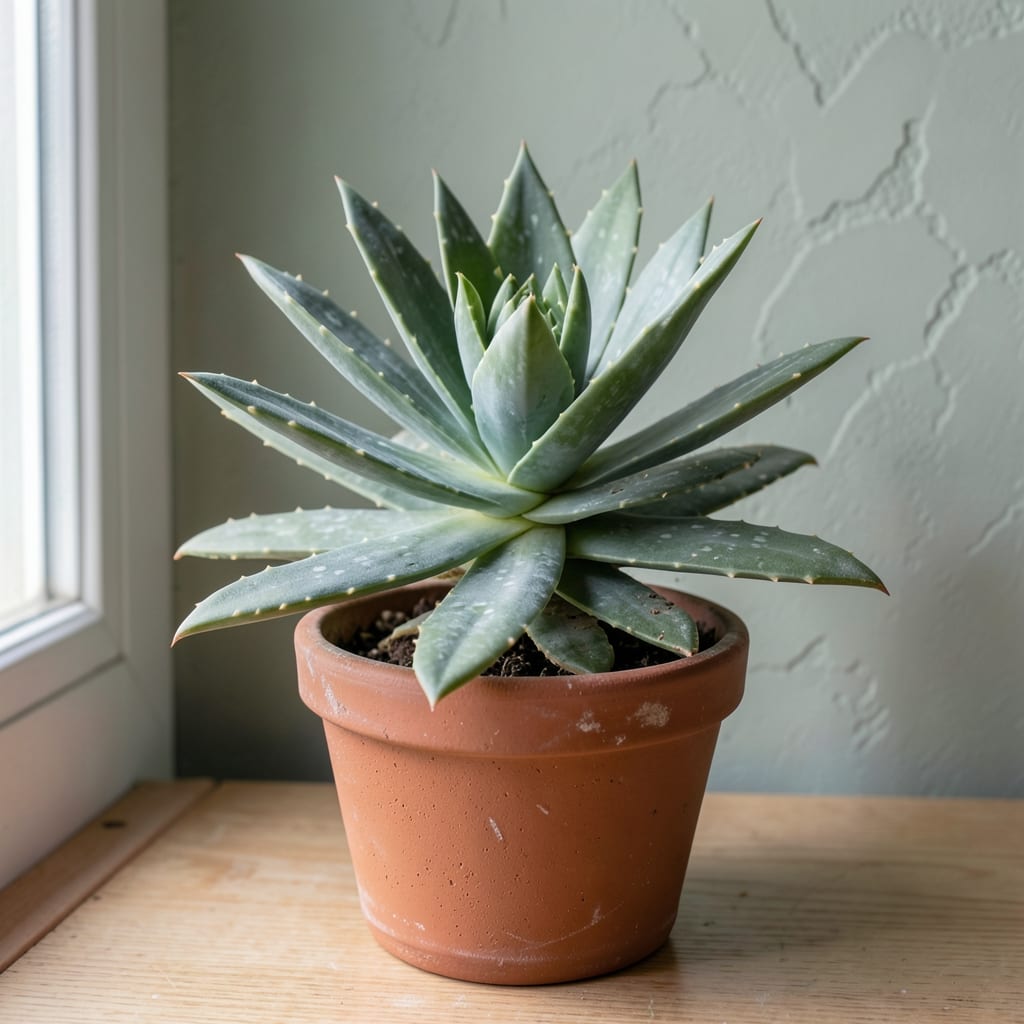
If you're wondering "how much light does an aloe plant need", you're not alone—this succulent thrives with just the right balance of brightness. Too little, and it stretches awkwardly toward the light; too much, and those pretty leaves turn crispy at the edges. The key lies in understanding your aloe's sunlight preferences, which can make the difference between a lush, healthy plant and one that struggles to survive.
Your 🌵 aloe vera loves bright conditions, but it’s not a fan of harsh midday sun—especially in USDA Zone 6a where temperatures can climb. Think of it like a sunbather: it enjoys plenty of rays but needs breaks to avoid getting fried. Whether you're growing yours indoors near a window or outdoors in your garden, knowing how to adjust light exposure is game-changer for its growth.
In this guide, I’ll break down exactly how many hours of light your aloe needs, how to spot signs of too much or too little sun, and easy fixes to keep it thriving year-round. You’ll also discover how to maximize natural light in low-light spaces or supplement with grow lights—no guesswork required.
Ready to give your aloe the perfect light setup? Let’s dive into the sunlight rules that’ll have your plant looking its best, without the risk of burn or stunted growth. Your green thumb will thank you!

Ideal sunlight requirements for aloe vera growth: hours and intensity explained
Aloe plants thrive under bright, indirect sunlight to direct morning sun. Aim for 6 to 8 hours of sunlight daily, but avoid harsh afternoon rays that can scorch delicate leaves. The key is balance—aloe loves light but can’t handle intense midday heat for prolonged periods.
In their natural desert habitats, aloe plants adapt to intense sunlight with minimal water. Recreate this by placing them near a south-facing window where they receive filtered UV rays. If outdoors, position them where they get morning sun and afternoon shade—this mimics their native conditions perfectly.
For optimal growth, aloe plants need full-spectrum light, including UV rays that boost chlorophyll production. Without enough light, leaves stretch (etiolation) and turn pale, while too much direct sun causes crispy, brown edges. The goal is to keep leaves plump and vibrant green.
Seasonal adjustments are crucial. During summer months, aloe plants may need partial shade (especially in hot climates) to prevent sunburn. In winter, supplement with a grow light if natural light drops below 4 hours daily to maintain their health.
Watch for visual cues like yellowing leaves (too little light) or brown patches (too much sun). If leaves stretch upward, your aloe is reaching for more light—rotate the pot to ensure even exposure. For indoor aloe, a south or west-facing window is ideal, while outdoors, a sheltered patio with dappled shade works best.
Pro tip: Rotate your aloe plant weekly to prevent lopsided growth from uneven light exposure. This ensures all sides get equal access to sunlight, keeping the plant compact and healthy. A well-lit aloe will reward you with thicker leaves and richer gel.
If you’re unsure about your space’s light levels, use a light meter app to measure foot-candles. Aloe thrives in 1,000–2,000 foot-candles—any less, and growth slows dramatically. Pair this with well-draining soil to mimic desert conditions, and your aloe will flourish.
For container growers, choose pots with terracotta or ceramic to allow airflow and prevent root rot. Place them on elevated surfaces (like plant stands) to improve light absorption. Avoid glass containers, which trap moisture and suffocate roots.
Remember, aloe plants are drought-tolerant but not heat-tolerant—they’d rather have bright light with less water than scorching sun. Adjust their position based on seasonal sun patterns, and you’ll have a lush, healthy aloe for years to come.
How to adjust light for indoor vs. outdoor aloe plants: room placement and sun protection tips
Indoor aloe plants need strategic placement to mimic their outdoor sunlight preferences. A south-facing window is ideal for 6+ hours of bright indirect light, but east or west windows work too—just avoid north-facing spots, which offer minimal light. If your space lacks natural light, grow lights (LED or fluorescent) can supplement, especially in winter months when daylight shrinks.
For outdoor aloe plants, prioritize locations with morning sun and afternoon shade. A sheltered patio or balcony with partial shade (like under a pergola) prevents leaf burn while meeting their light needs. In hot climates, use a lightweight shade cloth (30-50% coverage) during peak sun hours to protect delicate leaves.
Indoor Aloe Light Solutions
- Place near south-facing windows
- Use reflective surfaces (mirrors) to bounce light
- Rotate plant weekly for even growth
- Supplement with grow lights (12-14 hrs/day)
- Keep near north-facing windows (too dim)
- Expose to direct afternoon sun through glass
- Ignore stretched leaves (sign of light deficiency)
- Use incandescent bulbs (emits too much heat)
Outdoor Aloe Light Solutions
- Provide morning sun + afternoon shade
- Use shade cloth (30-50%) in peak sun
- Choose elevated containers for airflow
- Move to partial shade in summer heat
- Leave in full afternoon sun without protection
- Plant in low-light garden spots
- Ignore brown leaf tips (sunburn sign)
- Use plastic pots (traps moisture)
If your aloe starts stretching toward the light (a condition called etiolation), it’s begging for more brightness. Move it closer to a window or add a reflective surface like a mirror behind the pot to maximize light exposure. For indoor growers, a south-facing window with sheer curtains filters harsh rays while maintaining intensity.
Outdoor aloe plants in USDA Zone 6a benefit from seasonal adjustments. In summer, provide afternoon shade to prevent leaf burn, while in winter, ensure they get at least 4 hours of sunlight to maintain health. A simple DIY shade solution is a white umbrella or lattice structure to diffuse light without blocking airflow.
For container growers, choose terracotta pots that breathe and elevate plants for better light absorption. Avoid dark-colored containers, which absorb heat and stress roots. If your aloe develops pale, leggy growth, it’s time to increase light exposure—try a sunny windowsill or a grow light on a timer for consistent results.
Remember, aloe plants are sun-worshippers but hate intense heat. The perfect balance is bright light with protection from midday sun. With these adjustments, your aloe will stay compact, vibrant, and thriving—whether indoors or out.