
Light Requirements
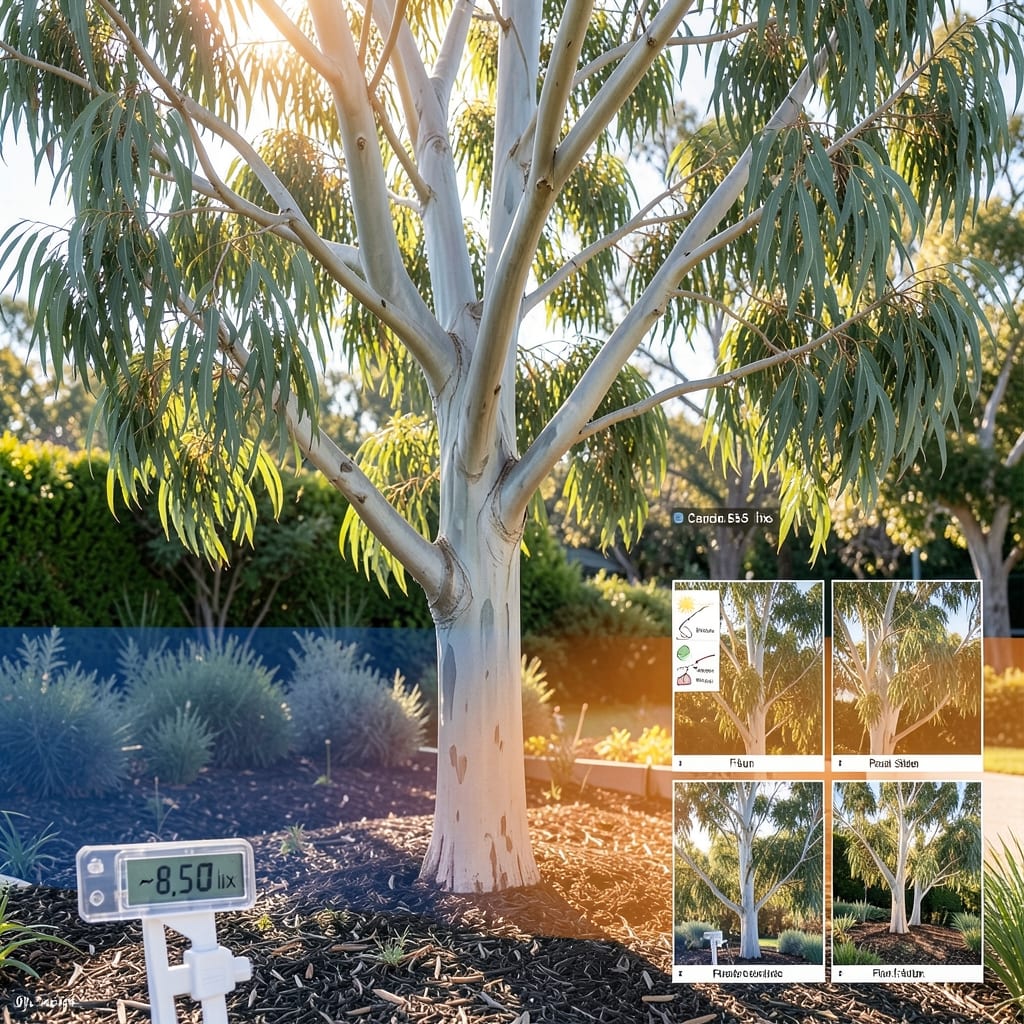
If you’re wondering how much light does a eucalyptus plant need, the answer is simple: these towering beauties don’t just like light—they need it to thrive, with most species demanding 6 to 8 hours of direct sun daily to reach their full, fragrant potential.
Think of eucalyptus as the diva of the plant world—it won’t settle for half-measures. Too little light, and you’ll end up with leggy stems and pale leaves, while too much can scorch its delicate foliage. The key is finding that sweet spot where your eucalyptus gets enough sun to grow fast and strong without burning out.
Whether you’re planting in your yard or keeping it in a container, understanding how much light your specific eucalyptus variety needs is the first step to success. Some, like the towering Eucalyptus globulus, love full sun, while others might tolerate a little afternoon shade. Let’s break down the best spots for your eucalyptus to soak up the rays—and keep it happy year-round.
From positioning in your garden to adjusting for indoor growing, I’ll show you exactly how to give your eucalyptus the light it deserves. Trust me, your plant will thank you with lush, vibrant growth that’s the envy of every green thumb in the neighborhood.

Eucalyptus light requirements: the science behind 6+ hours of sun daily
Eucalyptus plants are sun worshippers—literally! Native to Australia's bright, arid landscapes, they evolved to thrive under intense sunlight. Most species need at least 6-8 hours of direct sun daily, with full sun (8+ hours) producing the fastest growth and richest essential oil content. Think of it like a desert sunbather: too little light, and they stretch weak; too much, and they can scorch.
This sunlight demand isn’t just about aesthetics—it drives photosynthesis, which fuels everything from leaf production to that signature eucalyptus aroma. Without enough light, your tree might grow leggy, develop pale leaves, or even stop producing those fragrant oils that make them so beloved. Eucalyptus globulus, the most common variety, is especially light-hungry, while alpine species like E. pauciflora tolerate slightly more shade.
Here’s the kicker: eucalyptus trees adjust their light needs based on their environment. In cooler climates (USDA Zones 7-9), they might handle morning sun + afternoon shade better than blazing midday heat. But in hot, dry regions (Zones 10+), they’ll push for full sun exposure to avoid stress. The key is matching your local microclimate to their native conditions.
🌳
| Eucalyptus Species | Ideal Sunlight | Min. Daily Light | Growth Impact |
|---|---|---|---|
| Eucalyptus globulus (Tasmanian Blue Gum) | Full sun | 8+ hours | Rapid growth, strong oil production |
| Eucalyptus pauciflora (Snow Gum) | Full sun to partial shade | 6-7 hours | Slower growth, compact form |
| Eucalyptus gunnii (Cider Gum) | Full sun | 7+ hours | Dwarf variety; needs bright light |
| Eucalyptus cinerea (Argyle Apple) | Full sun to partial shade | 5-6 hours | Fruit production declines in shade |
💡 Pro Tip: Use a sunlight tracker for 24 hours to map your yard’s light zones before planting.
Measuring sunlight in your garden is easier than you think. Start by observing your space: South-facing areas in the Northern Hemisphere get the most sun, while North-facing spots often lack intensity. Use a simple DIY test: Place a white board in potential planting spots for a week. If it’s hot to the touch by noon, you’ve got full sun. If it’s just warm, it’s partial shade.
Seasonal shifts matter too. In summer, days are long, but winter sunlight is weaker—especially in overcast climates. If you’re in Zone 8 or colder, supplement with a reflective surface (like a white wall) to bounce extra light onto your eucalyptus. For container growers, rotate pots weekly to ensure even light exposure on all sides.
Over time, you’ll notice how light affects leaf color. Healthy eucalyptus leaves are deep green and glossy, while shade-starved plants develop pale, yellowish leaves and long, weak stems. Even worse, low light reduces oil production, which is why commercial eucalyptus farms in California and Australia prioritize full-sun growing conditions for maximum fragrance.
One common mistake? Assuming "bright indoor light" counts as enough. Unless you’re using a grow light (12+ hours/day), indoor eucalyptus will stunt. Even a south-facing window might not cut it—these trees need direct rays, not filtered light. If you’re growing eucalyptus indoors, invest in a full-spectrum LED grow light and place it 6-12 inches above the plant.
☀️
How to tell if your eucalyptus isn’t getting enough light (and how to fix it)
If your eucalyptus looks more like a sad, stretched-out twig than a lush, fragrant tree, it’s probably begging for more sunlight. Leggy growth and pale leaves are classic signs your plant isn’t getting its 6+ hours of direct sun daily. Even worse, weak stems can’t support the weight of those iconic eucalyptus leaves, leading to snapped branches—definitely not the look you’re going for.
But here’s the kicker: eucalyptus can also overheat if exposed to intense afternoon sun without acclimation. That’s why spotting the right balance is key. Watch for yellowing leaves or crispy edges—these are red flags that your plant is either underlit or sunburned. Let’s dive into how to diagnose and fix these issues before your eucalyptus throws in the towel.
🌱
🚨 Warning: Signs Your Eucalyptus Is Light-Deprived
- Pale, yellow leaves: Chlorophyll struggles without enough light.
- Stretched, weak stems: Plant reaches for light, growing leggy and unstable.
- Slow growth: New leaves appear sparse or take forever to unfurl.
- Dropping leaves: Stress from insufficient light weakens the tree.
💡 Fix: Move to a sunnier spot immediately. If indoors, relocate to a south-facing window or use a grow light for 8–10 hours daily.
For outdoor eucalyptus, the solution is often as simple as repositioning your tree. If it’s planted under a shady canopy or nestled between taller plants, prune nearby foliage to open up the sky. In urban areas, where buildings cast long shadows, consider a south-facing yard or a reflective surface (like a white wall) to bounce extra light onto your plant.
Indoor eucalyptus growers face a bigger challenge. Most homes don’t get enough natural light to satisfy a sun-loving eucalyptus, so you’ll need to supplement with artificial grow lights. Opt for full-spectrum LED lights placed 6–12 inches above the plant and run them for 12–14 hours daily to mimic sunlight. Rotate the plant weekly so it doesn’t lean toward the light source.
🌿
If your eucalyptus is already showing signs of sunburn—think brown, crispy leaf edges—it’s likely getting too much direct afternoon sun, especially in hot climates. Gradually acclimate your plant by moving it to a partially shaded spot for a few hours each day before transitioning it fully. Mulching around the base also helps regulate soil temperature and prevents root stress.
Pro tip: Pay attention to your eucalyptus’s native habitat. Most species, like Eucalyptus globulus, hail from Mediterranean climates with hot, dry summers and mild winters. Mimic these conditions by placing your tree where it gets morning sun and afternoon shade during peak summer months. Your plant will thank you with vibrant, aromatic leaves and rapid, healthy growth.