
Plants
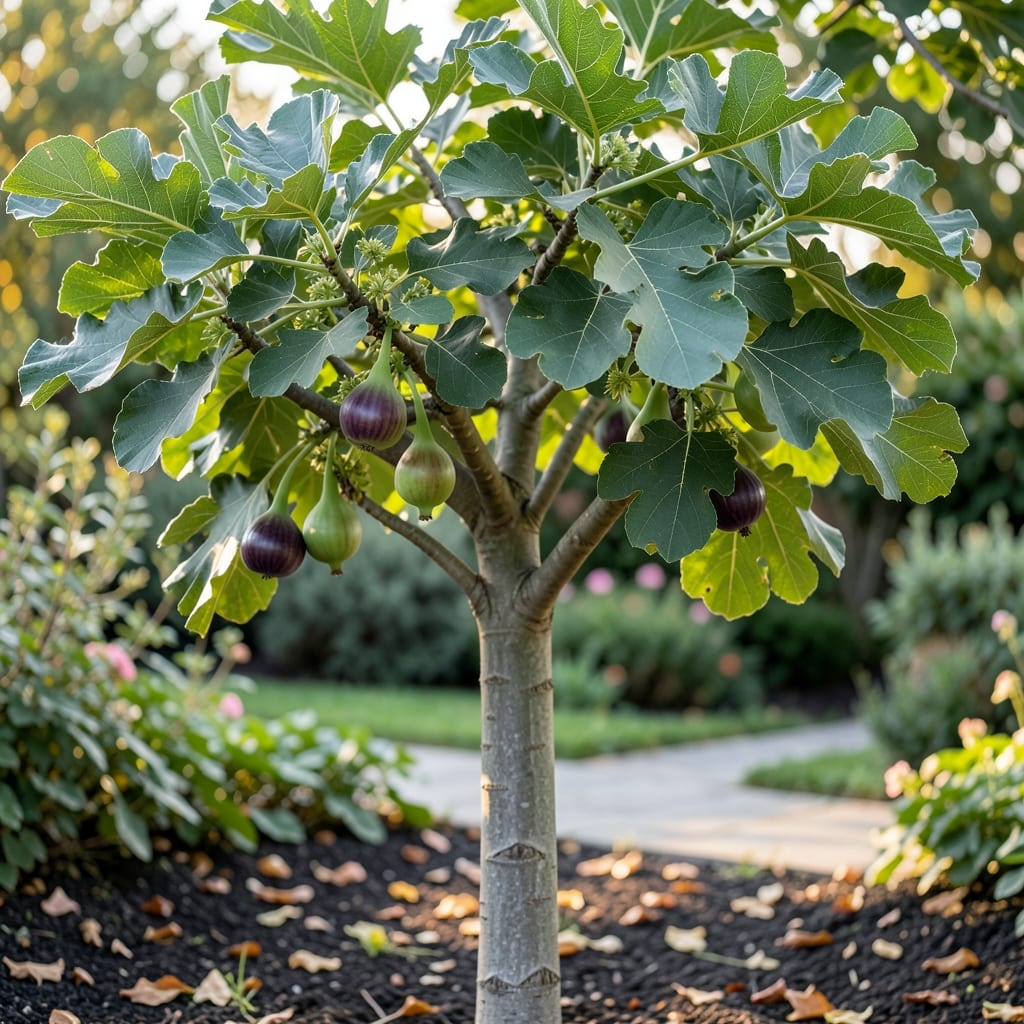
How much light does a fig plant need to thrive—or it’ll fight you every step of the way? Too little light, and you’ll end up with leggy, weak growth and tiny, tasteless fruit. Too much, and those beautiful leaves will crisp up like overcooked bacon. The good news? With the right approach, you can give your fig exactly what it craves.
Most fig varieties—especially those in USDA Zone 6—demand at least 6 to 8 hours of direct sunlight daily to produce strong wood, lush foliage, and sweet, plump fruit. But here’s the catch: not all figs are created equal. Some, like the hardy Chicago Hardy, can handle a little afternoon shade, while others, like the sun-loving Celestial, will bolt if they miss their daily dose of rays.
If you’re growing your fig in containers or indoors, the stakes get even higher. Without proper light, your plant might stretch toward the window like it’s reaching for a high-five, or worse, drop leaves faster than you can say “harvest season.” The key is understanding how to adjust for your specific setup—whether that means rotating pots for even exposure or investing in grow lights when natural light falls short.
In this guide, I’ll break down exactly how much light your fig needs, how to spot when it’s getting too much (or too little), and the simple tweaks that can turn a struggling plant into a thriving powerhouse. Let’s get your fig basking in the perfect glow.

Fig plant sunlight requirements by variety: full sun vs. partial shade needs
Fig plants are sun worshippers, but not all varieties crave the same amount of light. While most figs thrive in full sun, some cold-hardy types tolerate partial shade—especially in hot climates. The key is matching your variety’s needs to your growing conditions, whether in containers or in the ground.
Outdoor figs planted in USDA Zones 7-10 typically need 6-8 hours of direct sunlight daily for optimal fruit production. However, varieties like Chicago Hardy or Celestial can handle 4-6 hours in cooler regions. Container-grown figs often need even more light since they lack the stability of in-ground roots.
Here’s how to match your fig variety to its ideal light exposure:
| Variety | Sunlight Needs | Notes |
|---|---|---|
| Brown Turkey | 6-8 hours full sun | Classic choice; heat-tolerant but needs afternoon shade in Zone 10+ |
| Chicago Hardy | 4-6 hours sun (partial shade) | Cold-hardy; thrives in Zones 4-8 with morning sun |
| Celestial | 6-8 hours sun | Dwarf variety; perfect for containers but needs afternoon shade in desert climates |
| Desert King | 8+ hours sun | Drought-resistant; avoid shade—needs intense light for fruit set |
| Little Miss Figgy | 6 hours sun (tolerates partial shade) | Cold-hardy dwarf; ideal for Zone 5-8 patios |
For container-grown figs, rotate pots every 2-3 weeks to ensure even light exposure. South-facing windows or balconies are ideal, but avoid placing them near west-facing windows in hot climates—afternoon sun can scorch leaves.
If you’re in a hot, dry climate (like Arizona or California), provide afternoon shade during peak summer months. Use shade cloth (30-50% coverage) to protect leaves without blocking all light. Mulch around the base with straw or wood chips to retain moisture and regulate soil temperature.
Cold-hardy varieties like Chicago Hardy or Little Miss Figgy can handle morning sun and afternoon shade, making them perfect for northern gardens. In Zone 9 and below, these types may even fruit in partial shade, though yields will be smaller.
Pro tip: Watch your fig’s leaves for color changes. Yellowing leaves often signal too much shade, while brown or crispy edges mean it’s getting too much direct sun. Adjust placement gradually to avoid shocking the plant.
🌱
Signs your fig plant isn’t getting enough (or too much) light
Your fig plant speaks volumes through its leaves—pay attention to the subtle (and not-so-subtle) clues it drops about its light situation. Too little light often shows up as weak, leggy growth where stems stretch desperately toward any available rays. You might also notice small, pale leaves that look more like sad green handkerchiefs than vibrant foliage. In extreme cases, the plant may drop leaves entirely, especially if it’s been struggling for weeks.
On the flip side, too much direct sun can turn your fig’s leaves into crispy, browned paper. This is especially common in hot, dry climates or when container-grown figs sit near west-facing windows during summer afternoons. Look for scorched leaf edges or white, bleached patches—these are classic signs your plant is getting sunburned. Even worse, prolonged overexposure can lead to leaf drop and stunted fruit development.
If your fig’s leaves are crispy and brown but the soil is soggy, you’ve got a double whammy. Sunburned leaves can’t recover if the roots are waterlogged. Move the plant to partial shade immediately and let the soil dry slightly between waterings.
Seasonal changes can also throw your fig’s light balance off. In winter months, shorter daylight hours might leave your plant feeling deprived, even if it was thriving in summer. Watch for yellowing leaves or slowed growth—this is your fig’s way of saying, “I need more light!” Conversely, summer’s intense rays can overwhelm a plant that’s been basking in gentle spring sunshine. If you notice new leaves curling or developing white speckles, it’s time to provide afternoon shade.
For container-grown figs, light issues are even trickier to spot because pots can overheat or cool too quickly. If your plant’s growth seems uneven—with one side looking lush and the other sparse—it’s likely leaning toward the light source. Rotate the pot quarter-turns every 2-3 weeks to encourage balanced growth. And if you’re growing indoors, dusty leaves aren’t just unsightly—they block sunlight, further reducing the light your fig actually receives.
Here’s a quick light-check routine to perform every 2 weeks:
- Inspect new leaves for color and size (pale = more light; dark green = just right).
- Check leaf edges for browning or crispiness (sign of too much sun).
- Observe stem thickness—thin, spindly stems mean light hunger.
- Note any leaf drop or unusual patterns (e.g., leaves only on one side).
🌿