
Plants
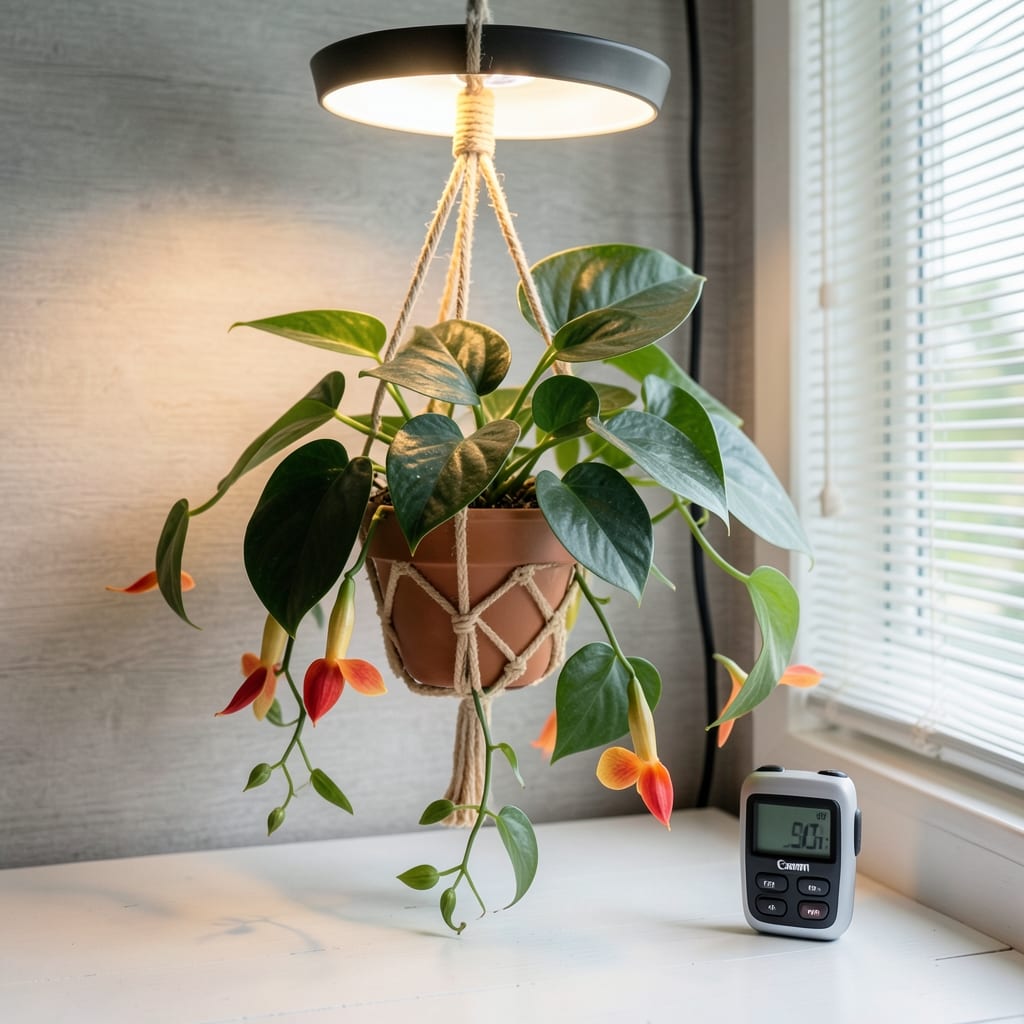
If you’ve ever wondered how much light does a goldfish plant need, you’re not alone—this is a classic sign of light hunger when your plant stretches toward the window like it’s auditioning for a ballet. The Goldfish Plant thrives in bright, indirect sunlight, but too little leaves it leggy, while too much can scorch its delicate leaves. Getting the balance right is the secret to those vibrant blooms and lush foliage you’ve been dreaming of.
Most growers assume any sunlight will do, but the Goldfish Plant is picky—it craves 4 to 6 hours of filtered light daily, like an east-facing window or a spot just a few feet from a south-facing one. Artificial light works too, but you’ll need a strong LED grow bulb to mimic natural conditions. The key? Avoid harsh midday rays, which can turn leaves crispy faster than a forgotten cookie sheet.
Here’s the good news: even if your home lacks ideal lighting, I’ll show you how to spot the signs of over- or under-lighting and tweak your setup. Whether you’re dealing with pale, sparse leaves or crispy brown edges, these fixes will have your Goldfish Plant looking its best in no time.
Ready to transform that sad, stretched-out plant into a showstopper? Let’s dive into the exact light conditions your Goldfish Plant craves—and how to give it just the right amount, every time.

Goldfish plant light requirements: bright to medium indirect sunlight explained
Your Goldfish Plant (Nematanthus gregarius) thrives in bright indirect light, mimicking its natural tropical habitat. Without the right light, it becomes leggy and sparse, while too much direct sun causes leaf burn and wilting. The key is finding that sweet spot—where it gets enough light to bloom but stays protected from harsh rays.
Think of this plant like a sunbathing goldfish—it loves warmth but not the midday glare. An east-facing window is ideal because it provides gentle morning sunlight without the intense afternoon heat. If you don’t have an east-facing window, a west-facing spot with sheer curtains works too, as it filters the light naturally.
For artificial light solutions, LED grow lights with a 6500K color temperature (cool white) are perfect. Position them 6-12 inches above the plant for 12-14 hours of light daily. This mimics the long daylight hours of its native Brazilian rainforest environment.
Signs of too little light include elongated stems, small leaves, and pale green foliage. If you notice these, move your plant closer to a bright window or supplement with grow lights. Conversely, yellowing leaves or crispy edges mean it’s getting too much direct sun—relocate it to a shadier spot immediately.
Seasonal changes also affect light needs. During winter months, when daylight is shorter, your Goldfish Plant may need extra light support. Rotate the pot quarter-turns weekly to ensure even growth and prevent it from leaning toward the light source.
Goldfish Plant Light Requirements Summary
| Light Type | Ideal Conditions | Signs of Stress | Solution |
|---|---|---|---|
| Bright Indirect Light | East/west window, 2-3 ft away | Leggy growth, sparse leaves | Move closer to light source |
| Direct Morning Sun | 1-2 hours max (east window) | Brown leaf tips, wilting | Use sheer curtain to filter light |
| Low Light | North window, dim corners | Pale leaves, no blooms | Add LED grow light (12 hrs/day) |
| Artificial Light | 6500K LED, 6-12" away | Stunted growth | Increase light duration to 14 hrs |
🌱 Pro Tip: Rotate your plant weekly for even growth!
If you’re unsure about your home’s light conditions, perform a simple shadow test. Place a white piece of paper near your plant’s spot for an hour. If the shadow is sharp and dark, it’s too direct—move the plant back. If the shadow is soft and faint, it’s perfect for your Goldfish Plant.
For outdoor placement, choose a location with dappled shade, like under a tree canopy or on a covered patio. Avoid full sun exposure, especially during peak afternoon hours (12 PM–4 PM), as this can scorch the delicate leaves and flowers.
Remember, every home’s light varies. Start with a medium-light spot and adjust based on your plant’s response. With the right light, your Goldfish Plant will reward you with vibrant golden blooms that resemble tiny fish—hence its name!
🌿
How to test and adjust light for your goldfish plant’s needs
Diagnosing your Goldfish Plant’s light needs starts with observing its leaves and growth patterns. If you notice stretched stems and small leaves, it’s begging for more light—think of it as a plant version of a sleep-deprived teenager! Conversely, yellowing or crispy leaf edges scream "too much sun!" These visual cues are your plant’s way of communicating, so pay close attention.
Start with a simple leaf color check. Healthy Goldfish Plant leaves are deep green with vibrant red or gold accents. If they’re pale or washed-out, move it closer to a brighter spot. For artificial light setups, ensure your LED grow bulb is within 6-12 inches of the foliage—any farther, and it won’t get the energy it needs to thrive.
⚠️ Warning: Sudden Light Changes Can Shock Your Plant
Moving your Goldfish Plant from low light to bright sun too quickly can cause leaf scorch. If you’re adjusting its location, do it gradually over 1-2 weeks. Start with 2 hours of morning sun and slowly increase exposure. This mimics natural conditions and prevents stress.
🌱 Pro Tip: Rotate the pot quarter-turns weekly to ensure even growth and prevent leaning.
For indoor growers, sheer curtains are your best friend. If your Goldfish Plant is near a south-facing window, hang a light-filtering curtain to diffuse harsh rays. This creates the perfect bright indirect light environment. If you’re using grow lights, aim for 12-14 hours of light daily—this mimics the long daylight hours of its tropical homeland.
Seasonal adjustments are key too. During winter months, when natural light is scarce, supplement with a grow light on a timer. Set it to 14 hours of light per day to compensate for shorter days. If your plant starts leaning toward the light source, it’s not getting enough—try moving it closer to the window or light or increasing the bulb’s intensity.
Outdoor enthusiasts should monitor afternoon sun exposure. While morning sun is generally safe, peak afternoon rays (12 PM–4 PM) can be too intense. If you notice brown patches or wilting, relocate your plant to a shadier spot or provide afternoon shade with a lightweight shade cloth. This protects those delicate leaves while still allowing plenty of light for blooming.
Lastly, don’t forget to test your setup regularly. Every few months, reassess your plant’s light conditions. If you’ve recently moved furniture or changed windows, your Goldfish Plant’s light exposure may have shifted too. A quick shadow test (placing a white card near the plant for an hour) will tell you if the light is too harsh or too faint. Adjust as needed to keep those golden blooms coming!
☀️