
Light Requirements
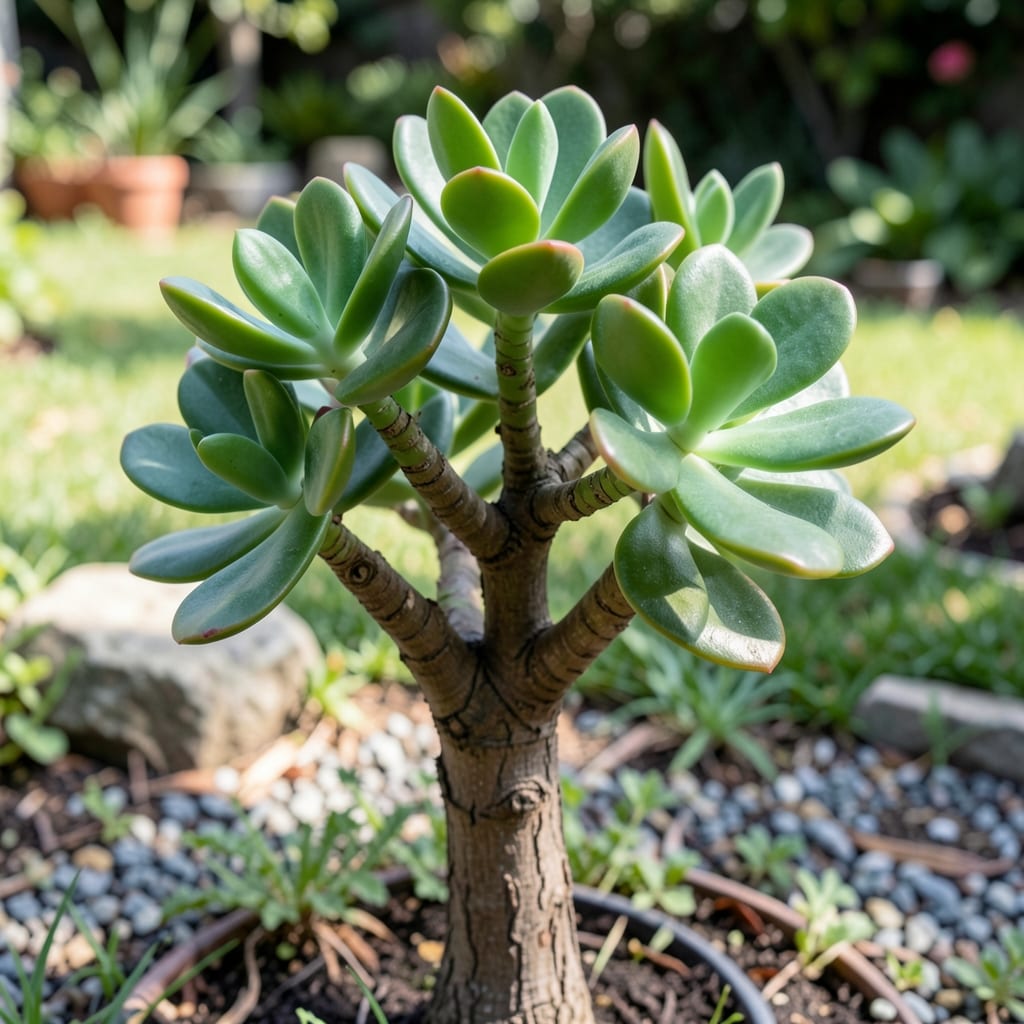
Ever wondered how much light a jade plant requires to stay happy and stretch toward the window like it’s craving a little sunshine? The truth is, light is the single most important factor in keeping your jade plant thriving—and most people get it wrong.
These succulent beauties love bright conditions, but they’re not fans of scorching midday sun or dim corners. Too little light, and you’ll end up with leggy, sad stems. Too much, and those pretty leaves can get crispy. The key is finding that sweet spot where your jade plant thrives, storing water efficiently, and growing those thick, vibrant leaves we all love.
In this guide, I’ll break down exactly how many hours of light your jade plant needs, where to place it (indoors or out), and how to spot when it’s getting too much—or not enough. No guesswork, just science-backed tips to keep your plant looking its best year-round.
Whether you’re a beginner or a seasoned plant parent, you’ll learn how to adjust for seasonal changes, avoid common mistakes, and even use grow lights if natural light falls short. Let’s get your jade plant the perfect glow!

Jade plant light requirements: the perfect balance between sun and shade
Your jade plant thrives on bright indirect light, but it’s not as simple as placing it near a window. These succulents need 4-6 hours of sunlight daily, but too much direct sun can scorch their leaves, while too little leads to weak, leggy growth. The key is understanding how light intensity changes throughout the day and seasons.
In spring and summer, jade plants can handle morning sun exposure (before 10 AM) and afternoon shade. During winter months, when sunlight is weaker, they may need supplemental light to prevent stretching. Even a few hours of bright indirect light can make a huge difference in their growth.
Here’s the breakdown of what your jade plant needs to stay healthy and vibrant:
| Light Type | Daily Exposure | Plant Response | Optimal Season | Warning Signs |
|---|---|---|---|---|
| Bright Indirect Light | 4-6 hours | Thick, vibrant leaves | Spring/Summer | None |
| Direct Morning Sun | 2-3 hours | Healthy growth | Year-round | Leaf burn if over-exposed |
| Low Light | <4 hours | Leggy, pale stems | Winter | Etiolation (stretching) |
| Intense Midday Sun | Afternoon hours | Sunburned leaves | Summer | Brown, crispy patches |
If your jade plant starts developing long, thin stems or pale leaves, it’s a clear sign of light deficiency. These plants will stretch toward the light source, a condition called etiolation. On the flip side, if the leaves turn yellow or brown with crispy edges, it’s getting too much direct sun, especially during peak afternoon hours.
For indoor plants, a south-facing window is ideal because it provides the most consistent light throughout the day. If you notice your jade plant leaning toward one side, it’s time to rotate the pot quarter-turns every few weeks to ensure even growth. This simple step prevents lopsided development and keeps your plant balanced.
Outdoor jade plants can enjoy partial shade during summer afternoons, especially in hot climates. If you’re growing yours outside, place it in a spot where it gets dappled sunlight or use a sheer curtain to diffuse harsh rays. This mimics their natural habitat in South Africa’s rocky slopes, where they’re protected from intense midday sun.
During winter months, when natural light is scarce, consider supplementing with a grow light. LED grow lights with a full-spectrum bulb (around 5000-6500K) work best. Place the light 6-12 inches above the plant and provide 12-14 hours of light daily to maintain its health. This mimics the longer daylight hours of summer and prevents leggy growth.
Pro tip: If you’re unsure about your plant’s light needs, observe its leaves and stems. Healthy jade plants have thick, glossy leaves and short, sturdy stems. If yours looks anything less, adjust its light exposure immediately to bring it back to peak condition.
How to position your jade plant for maximum growth: indoor vs outdoor solutions
Positioning your jade plant correctly makes all the difference between a thriving succulent and one that struggles. Whether you're placing it indoors or outdoors, understanding light source distances and window orientations will help you create the perfect growing environment. Let’s dive into the best spots for your jade plant, whether it’s basking on a sunny windowsill or enjoying filtered sunlight outdoors.
For indoor jade plants, the best locations are near south-facing windows or west-facing windows in the Northern Hemisphere. These orientations provide the most consistent bright indirect light throughout the day. If your home lacks these windows, a well-lit room with artificial lighting can work, but you’ll need to supplement with grow lights during shorter winter days.
| Location Type | Best Position | Distance from Source | Light Intensity | Maintenance Tips |
|---|---|---|---|---|
| South-Facing Window (Indoor) | 2-3 feet from window | Bright indirect light | 70-80% sunlight | Rotate pot weekly |
| West-Facing Window (Indoor) | 1-2 feet from window | Morning sun, afternoon shade | 60-70% sunlight | Use sheer curtain for afternoon sun |
| East-Facing Window (Indoor) | 1-3 feet from window | Soft morning light | 50-60% sunlight | Supplement with grow light if needed |
| Outdoor (Partial Shade) | Under dappled sunlight | Morning sun, afternoon shade | 65-75% sunlight | Water in morning, avoid wet foliage |
| Grow Light Setup (Indoor) | 6-12 inches above plant | Full-spectrum LED, 5000-6500K | Customizable intensity | 12-14 hours daily in winter |
If you’re placing your jade plant outdoors, choose a spot with morning sun and afternoon shade, especially during the hottest months. These plants thrive in USDA Zone 6a and warmer, but they can handle cooler temperatures if protected from frost. In summer heat, move your jade plant to a location with partial shade to prevent leaf burn. A rocky or well-draining garden bed mimics their natural habitat and helps them stay healthy.
For indoor grow lights, opt for LED grow lights with a full-spectrum bulb (between 5000-6500K) to