
Light Requirements
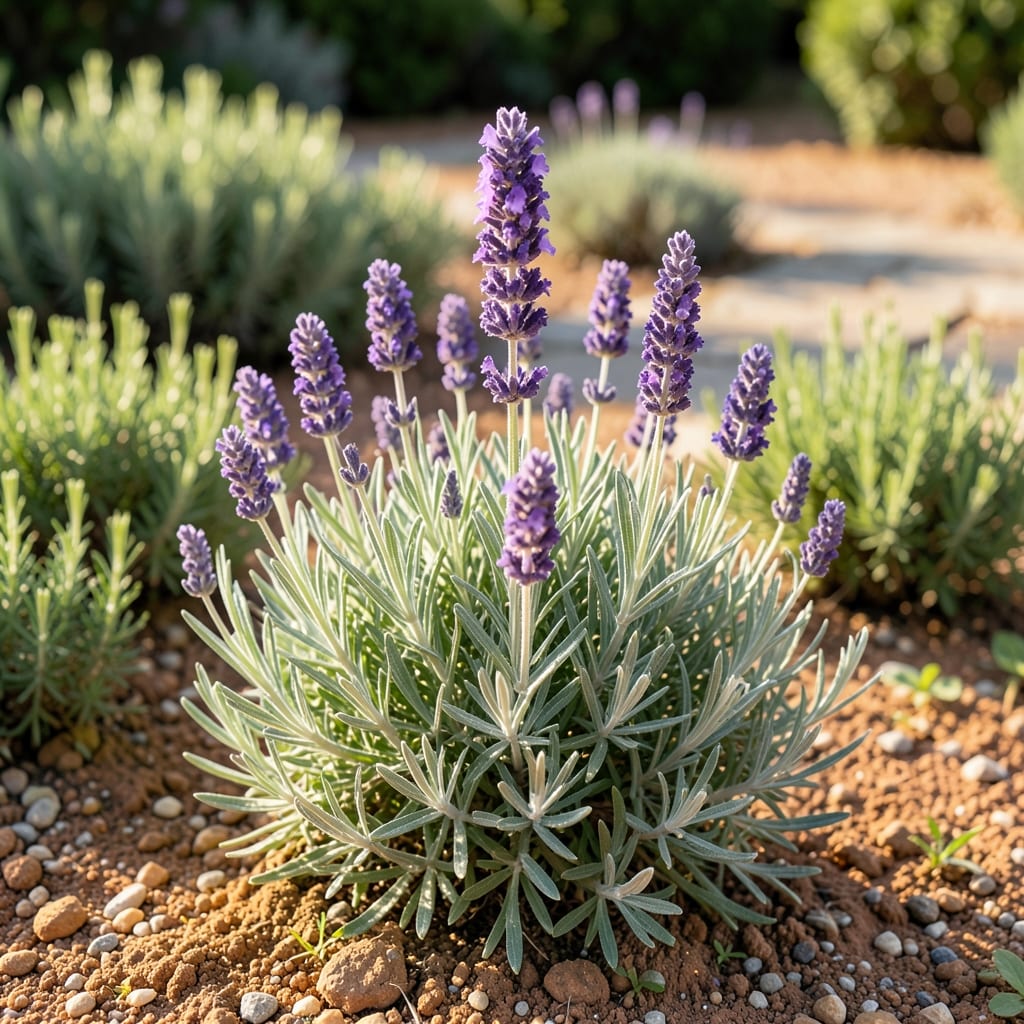
If your 🌿 lavender looks more like a sad stalk than a fragrant bush, chances are it's not getting the light a lavender plant needs. This hardy herb isn't just picky about light—it demands it to thrive, and getting the balance right is the key to those signature purple blooms you love.
Most gardeners assume lavender can handle whatever light their yard throws at it, but here's the truth: 6 to 8 hours of full sun daily is non-negotiable for optimal growth. Without it, you'll end up with leggy stems, sparse flowers, and a plant that struggles to produce that signature fragrance you planted it for in the first place.
What happens when you can't provide that much sunlight? Don't worry—we'll cover how to spot the signs of light deprivation and what you can do to fix it. Whether you're dealing with a shady patio or just need to adjust your plant's position, these practical tips will help you give your lavender the light it craves.
From understanding how much light different varieties need to making the most of microclimates in your garden, you'll learn everything you need to know to keep your lavender healthy, blooming, and fragrant all season long. Let's get started.

Optimal sunlight hours for lavender growth: the science behind 6-8 hours daily
Lavender isn’t just another pretty face in your garden—it’s a sun-worshipper with strict light requirements. Native to the Mediterranean region, this hardy herb evolved to thrive under intense sunlight, where it basks in 6-8 hours of direct light daily. Without enough sun, you’ll sacrifice those fragrant blooms and woody stems that make lavender so special.
Think of lavender’s light needs like a goldilocks scenario: too little sun, and it becomes leggy and weak; too much (especially in scorching afternoons), and it can scorch its leaves. The key is finding that sweet spot where sunlight fuels growth without causing damage. In most U.S. climates, this means placing lavender in the sunniest spot your garden has to offer—often near south-facing walls or open patios.
Here’s the science: Lavender’s photosynthesis efficiency peaks under full sun, producing more essential oils (the compounds responsible for its signature scent). Studies show that lavender grown with 6+ hours of sunlight produces 30% more blooms than those in partial shade. That’s why commercial lavender farms prioritize open, sunny fields—they’re not just guessing; they’re following the plant’s natural preferences.
Seasonal adjustments are crucial, especially if you’re gardening in cooler climates like the Pacific Northwest or New England. In winter, days shorten dramatically, and lavender may struggle to get its required 6 hours. Here’s how to adapt: Extend sunlight exposure by placing pots on reflective surfaces (like white gravel or mirrors) to bounce extra light onto the plant. Alternatively, supplement with a grow light for 4-6 hours daily during the shortest months.
Geographic location plays a huge role too. In Mediterranean climates (like California or Spain), lavender naturally gets 10+ hours of sunlight in summer, but it’s adapted to hot, dry conditions. In humid climates (like the Southeast U.S.), afternoon shade becomes critical to prevent fungal diseases like powdery mildew. A simple trick? Plant lavender near deciduous trees that provide shade in summer but allow full sun in winter when leaves drop.
Don’t overlook the microclimate in your garden. A spot against a brick wall can receive 20% more sunlight than an open area due to radiant heat absorption. Similarly, containers heat up faster than in-ground plantings, so adjust watering (but not light) accordingly. If you’re growing lavender in containers, place them in the sunniest part of your patio or balcony, and rotate them weekly to ensure even sunlight exposure on all sides.
One common misconception is that morning sun is better than afternoon sun for lavender. While morning sun is gentler, lavender actually performs best with a mix—just avoid the harshest afternoon rays (typically 2 PM to 5 PM in summer). If your garden has intense afternoon heat, provide 30-50% shade using a lightweight shade cloth or by planting near tall grasses that offer natural filtration.
Finally, let’s talk about light quality, not just quantity. Lavender prefers full-spectrum sunlight, which includes UV rays that enhance its fragrance and color. If you’re growing lavender indoors near a window, a south-facing window is ideal, but even then, it may need supplemental grow lights to mimic natural sunlight. LED grow lights with a 6400K color temperature (cool white) are perfect for replicating full sun conditions.
Remember, lavender’s light needs are non-negotiable if you want healthy, fragrant plants. Start by assessing your garden’s sunlight patterns, then adjust plant placement or use light-enhancing tools to meet those 6-8 hours of direct sun. Your efforts will be rewarded with vibrant blooms and that unmistakable lavender scent that turns any garden into a sanctuary. 🌿
Signs your lavender isn’t getting enough light (and how to fix it)
If your lavender looks leggy and stretched toward the light, it’s begging for more sun. Leggy growth is the #1 sign of light deprivation, where stems elongate desperately to reach sunlight. This weakens the plant’s structure and reduces its ability to produce those fragrant blooms you love. Look for thin, sparse stems with fewer buds—a clear indicator your lavender isn’t getting its 6-8 hours of full sun.
Another red flag? Yellowing leaves or pale foliage. When lavender doesn’t get enough light, it can’t perform photosynthesis efficiently, leading to chlorosis (yellowing) as the plant struggles to produce chlorophyll. Check the older leaves first—if they’re turning yellow while new growth stays green, your plant is starving for sunlight. Even worse, sparse or no blooms mean your lavender is prioritizing survival over reproduction, a sure sign it’s not getting the light it needs to thrive.
Don’t ignore weak, floppy stems either. Healthy lavender stems should be upright and woody, but under-light conditions, they become soft and bend easily. This weakness makes the plant more susceptible to wind damage and pests, further stressing an already struggling plant. If you notice your lavender leaning dramatically toward a window or light source, it’s phototropism in action—a plant’s way of saying, “Move me closer to the sun!”
Here’s how to diagnose light issues fast: Grab your lavender and turn it side to side. If one side is darker or less woody than the other, it’s been stretched toward the light source. This uneven growth is a clear signal your plant isn’t getting even sunlight exposure. For container-grown lavender, rotate the pot quarter-turns weekly to ensure all sides get equal light. If you’re growing lavender indoors, a south-facing window is your best bet—but even then, the plant may need grow lights to mimic full sun.
What if you’ve ruled out light issues but your lavender still isn’t blooming? Check for over-fertilization—too much nitrogen can promote leafy growth at the expense of flowers. Lavender needs low-nitrogen fertilizer (like a 5-10-10 blend) applied sparingly in early spring. If you’ve been overdoing it, reduce feeding and focus on maximizing sunlight instead. Remember, lavender’s primary goal is to produce fragrant blooms, not lush foliage, so prioritize light over fertilizer.
For urban gardeners with limited sunlight, try these light-boosting hacks: Place reflective surfaces (like white gravel or mirrors) near your lavender to bounce extra light onto the plant. If you’re using containers, opt for light-colored pots that reflect sunlight rather than absorbing heat. And if all else fails, supplement with LED grow lights (6400K color temperature) for 4-6 hours daily during winter months when daylight is shortest. Your lavender will thank you with vibrant blooms and that unmistakable fragrance you planted it for in the first place. 🌼