
Companion Plants
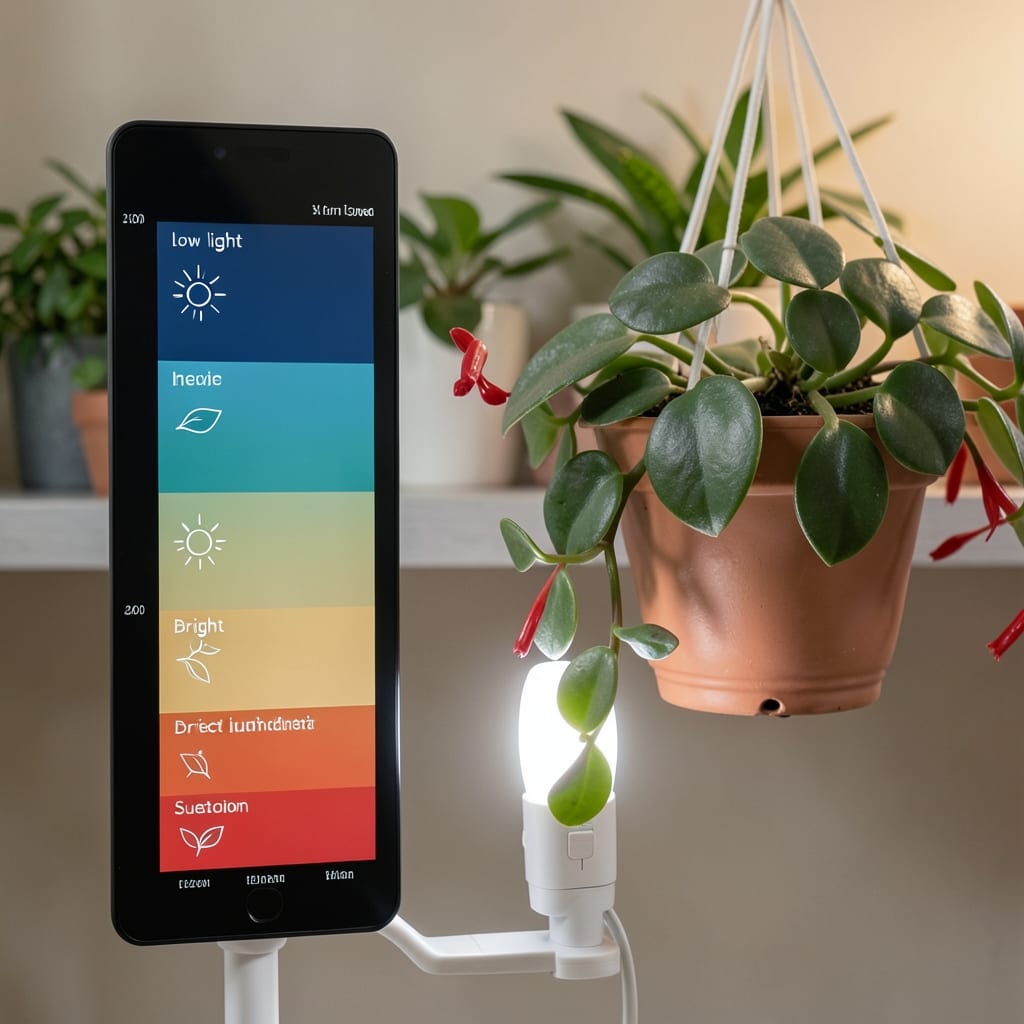
If you’re wondering how much light does a lipstick plant need, the answer is simpler than you might think—but getting it right is key to those stunning blooms and vibrant leaves. This tropical beauty thrives in bright, indirect sunlight, but finding the perfect balance can feel like a guessing game. Too little light, and it loses its energy; too much, and those delicate leaves crisp like toast.
Here’s the game-changer: most Lipstick Plants love an east-facing window where they get morning sun and gentle afternoon shade, mimicking their natural understory habitat. I’ll show you exactly how to spot the perfect spot in your home, whether you’re dealing with a dim apartment or a sun-soaked greenhouse. No more guesswork—just lush, blooming growth.
Let’s talk about the telltale signs your plant is begging for more (or less) light—like leggy stems or crispy edges—and how to adjust without frying those gorgeous leaves. Trust me, once you master this, your Lipstick Plant 🌸 will reward you with those iconic red tubular flowers all year round.
Ready to transform your plant’s light game? I’ll walk you through seasonal tweaks, DIY light filters, and even grow light setups for those tricky low-light spaces. Your plant’s future starts with just the right amount of glow—let’s make it happen.


Optimal light requirements for lipstick plants: bright indirect sunlight explained
The lipstick plant (Aeschynanthus) thrives in bright indirect sunlight, making it perfect for homes with filtered light. Unlike sun-worshippers, it avoids harsh afternoon rays that can scorch its delicate leaves. Think of it as a plant that enjoys morning sunshine but prefers shade for the rest of the day—like a coffee lover who enjoys their brew with cream and sugar.
Your goal is to mimic dappled forest light, where sunlight filters through leaves or trees. This means placing your plant near an east-facing window (gentle morning sun) or a north-facing window (consistent indirect light). South-facing windows can work but require a sheer curtain to diffuse the intensity, especially during peak afternoon hours.
In ideal conditions, your lipstick plant should receive 4-6 hours of bright indirect light daily. This light level encourages vibrant foliage and frequent blooming of its signature red tubular flowers. Without enough light, the plant stretches toward the sun (a condition called etiolation), producing long, weak stems with sparse leaves.
| Light Condition | Description | Plant Response |
|---|---|---|
| Bright Indirect Light | East/west windows with sheer curtains, 2-3 feet from glass | Vibrant foliage, frequent blooms, compact growth |
| Low Light | North-facing windows, deep indoors | Leggy stems, sparse leaves, no blooms |
| Direct Sunlight | South/west exposure, no filter | Brown leaf tips, crispy edges, leaf burn |
| Grow Lights | 12-14 hours/day, 6-12 inches away | Healthy growth, blooms year-round |
If you notice your lipstick plant developing yellowing leaves or brown crispy edges, it’s a clear sign of too much direct sunlight. Move it farther from the window or add a sheer curtain to filter the light. Conversely, if the plant looks stretched out with large spaces between leaves, it’s begging for more light—try rotating the pot weekly to ensure even exposure.
Seasonal adjustments are key: during winter, when natural light dims, supplement with a grow light for 12-14 hours daily. In summer, watch for afternoon sun and provide afternoon shade if needed. A simple trick is to place your lipstick plant near a lacy curtain or white sheer fabric to diffuse harsh rays while still allowing plenty of light through.
Pro tip: Test your plant’s light conditions by observing its leaves. Healthy leaves should be deep green and glossy, while stressed leaves may show pale yellowing (underlight) or brown patches (overlight). Adjust placement gradually—sudden changes can shock the plant and cause leaf drop.
For urban gardeners with limited natural light, a full-spectrum LED grow light is a game-changer. Position it 6-12 inches above the plant and set a timer for 12 hours of light daily. This mimics the ideal bright indirect sunlight and keeps your lipstick plant thriving year-round, even in a windowless room.
Remember, the lipstick plant is a tropical beauty that mimics its native forest habitat. By providing the right balance of light—bright but indirect—you’ll reward it with lush growth, vibrant foliage, and those stunning red lipstick-like flowers that give it its name.
How to adjust light for lipstick plants in different environments
Adjusting light for your lipstick plant depends entirely on your living space. If you're in a sunny urban apartment with south-facing windows, you’ll need to create shade during peak hours. My go-to trick? Hang a white sheer curtain over the window—it diffuses harsh rays while still letting in plenty of light. For north-facing windows, which offer gentler light, your plant will likely thrive without extra adjustments, but rotating the pot quarter-turns weekly ensures even growth.
In low-light environments, like a dim office or basement, a grow light becomes your best friend. I recommend a full-spectrum LED bulb placed 6-12 inches above the plant, set on a timer for 12-14 hours daily. This mimics natural sunlight and prevents those dreaded leggy stems that signal light deprivation. Pro tip: Use a reflective surface, like aluminum foil on the back of the pot, to maximize light efficiency.
Outdoor gardeners can place lipstick plants in partial shade gardens, where they’ll receive dappled sunlight similar to their forest habitat. Avoid full sun spots—those afternoon rays can turn leaves crispy in no time. If you’re growing outdoors in a greenhouse, use shade cloth (30-50%) during summer months to protect delicate foliage. I’ve seen lipstick plants thrive in hanging baskets under patio umbrellas, too—just ensure they get morning sun and afternoon shade.
- 🌿 Urban Apartments: Use sheer curtains on south windows or grow lights for 12 hours/day.
- 🏡 North Windows: No adjustments needed—rotate pot weekly for even growth.
- 🌳 Outdoor Shade: Plant in partial shade gardens with morning sun.
- 🏠 Greenhouses: Add 30-50% shade cloth in summer.
- 💡 Low Light: Use LED grow lights 6-12" away for 12-14 hours/day.
Seasonal changes require extra attention. During winter months, when daylight shrinks, supplement with a grow light timer to maintain 12 hours of light. In summer, watch for intense afternoon sun—move your plant to a spot with filtered light or add temporary shade. I’ve had success with a DIY light filter made from white lace curtain fabric stretched over a frame near the window. It’s a cheap, effective way to diffuse harsh rays while keeping your lipstick plant happy.
If you’re dealing with uneven light exposure, like a plant that’s leaning toward one side, try gradual repositioning over a few days. Sudden moves can stress the plant, leading to leaf drop. For indoor setups, consider a plant stand with adjustable heightslow adjustments, so don’t rush the process.
For those with multiple lipstick plants, create a light rotation schedule to ensure each gets equal exposure. I label my pots and rotate them every 2 weeks, which keeps all my plants lush and blooming. Remember, the key is consistency—your lipstick plant will thank you with vibrant foliage and frequent flowers when you get the light just right.