
Companion Plants
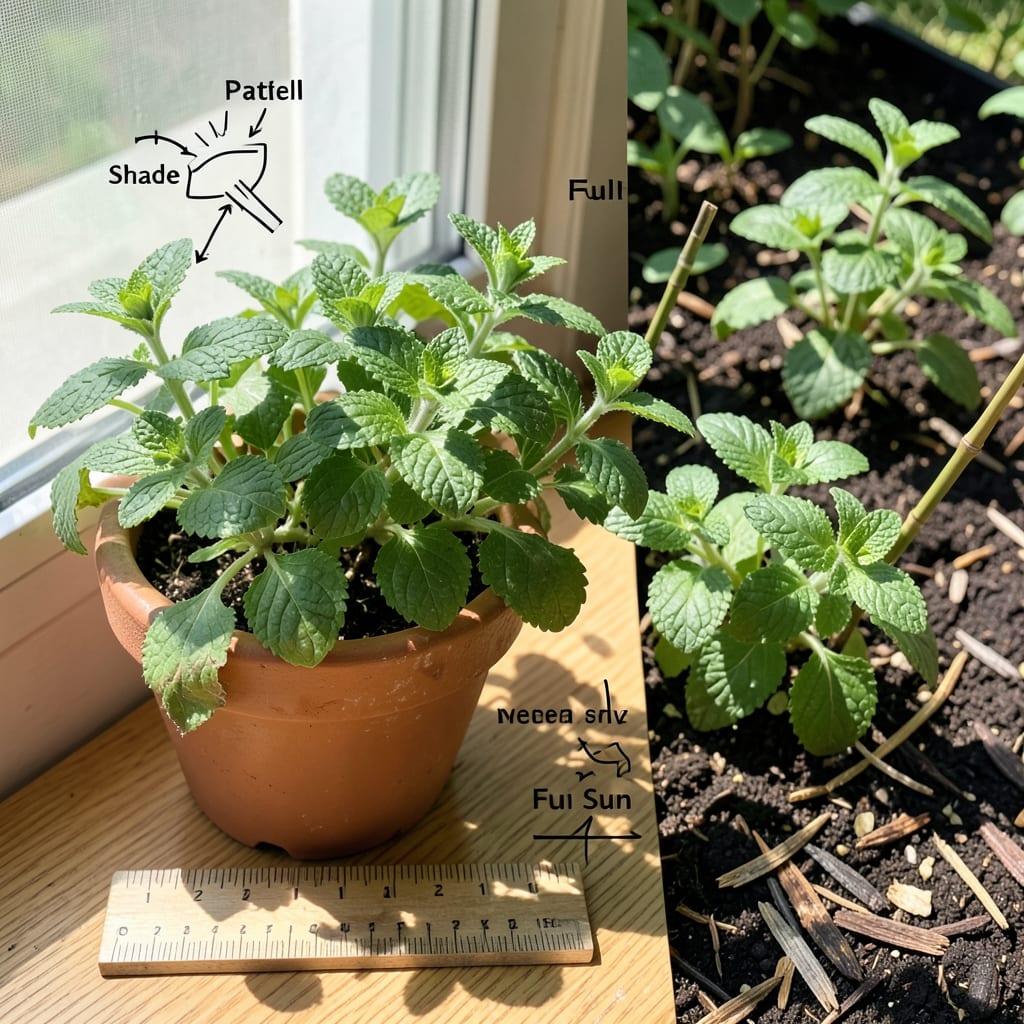
If your mint 🌿 plant is struggling to thrive, the answer might be simpler than you think—how much light does a mint plant need? Too little, and you’ll end up with weak, sparse growth; too much, and those vibrant leaves can turn crispy. Finding that sweet spot between bright indirect light and avoiding harsh sun is the key to lush, flavorful mint that multiplies effortlessly.
Mint plants are surprisingly adaptable, but they’re not as tough as you might assume. While they can handle some direct sunlight, especially in cooler climates, most gardeners get the best results with 4-6 hours of bright, indirect light per day. This balance ensures your mint stays healthy without risking sunburn or leggy growth that stretches toward the light.
Whether you’re growing mint in containers on a windowsill or planting it outdoors in USDA Zone 6a, understanding how to adjust light exposure is a game-changer. I’ll show you how to spot the signs of over- or under-exposure and how to tweak your setup—whether that means rotating pots or choosing the right spot in your garden.
Ready to transform your mint from struggling to thriving? Let’s dive into the exact light conditions your mint 🌿 craves and how to give it what it needs for maximum flavor and growth.


Ideal light requirements for mint plants: bright indirect sun explained
Mint plants thrive best with bright indirect sunlight, making them perfect for gardeners with limited direct sun exposure. Unlike sun-loving herbs like rosemary, mint prefers 4-6 hours of filtered light daily—think dappled shade under trees or a north-facing windowsill. This balance prevents leaf scorch while ensuring robust growth and flavor development.
Outdoor mint performs exceptionally well in morning sun with afternoon shade, especially in hot climates where midday rays can damage tender leaves. In cooler regions, mint can tolerate partial sun (2-4 hours daily) without stress, though flavor intensity may diminish slightly.
Indoors, position your mint plant 1-2 feet from a north-facing window for consistent bright indirect light. South-facing windows can work but may require sheer curtains to diffuse harsh afternoon rays, preventing brown leaf tips or crispy edges.
| Condition | Specification | Effect on Mint |
|---|---|---|
| Direct Sunlight | 4+ hours/day | Risk of leaf burn and reduced flavor |
| Bright Indirect Light | 4-6 hours/day | Optimal growth and aroma |
| Low Light | <2 hours/day | Leggy stems, pale leaves, weak flavor |
| Artificial Grow Lights | 12-14 hours/day | Best for indoor setups; use full-spectrum bulbs |
Seasonal adjustments are key to mint's success. During summer months, provide afternoon shade using a lightweight shade cloth (30-50% coverage) to protect leaves from intense heat. In winter, supplement natural light with a grow light if your home lacks sufficient brightness, especially in north-facing rooms.
Mint's light needs vary slightly by variety. Peppermint and spearmint are the most adaptable, while chocolate mint may require slightly more light to develop its unique flavor profile. Always monitor your plant's response—yellowing leaves signal too much sun, while stretched stems indicate insufficient light.
For container growers, rotate pots quarter-turns weekly to ensure even light exposure on all sides. This prevents one-sided growth and keeps your mint bushy. If using a south-facing window, place your mint 3-4 feet back from the glass to avoid direct rays during peak sunlight hours (10 AM–4 PM).
Outdoor gardeners can create ideal conditions by planting mint near tall perennials or under large trees that provide filtered shade. Avoid open sunny spots where mint competes with weeds or overheats. Mulching with straw or wood chips helps regulate soil temperature, further protecting roots from heat stress.
Remember, mint's light preferences directly impact its flavor and growth rate. A well-lit mint plant produces 2-3 times more leaves than one struggling in poor conditions. With the right balance, you'll enjoy a year-round harvest of vibrant, aromatic mint for teas, cocktails, and cooking.
🌿
Ideal light requirements for mint plants: bright indirect sun explained
Mint plants thrive best with bright indirect sunlight, which mimics their natural habitat under dappled forest canopies. Aim for 4-6 hours of filtered light daily—this prevents the delicate leaves from scorching while ensuring robust growth. In my experience, mint grown with too much direct sun develops crispy edges, while too little light leads to weak, pale stems.
For outdoor cultivation, place your mint in a spot that receives morning sun and afternoon shade, especially in hot climates. A location near a north-facing wall or under a patio umbrella works perfectly. If you're growing mint in containers, rotate the pots every few days to ensure even light exposure on all sides.
| Requirement | Specification |
|---|---|
| Optimal Light Type | Bright indirect sunlight |
| Daily Sunlight Hours | 4-6 hours |
| Best Outdoor Location | Morning sun + afternoon shade |
| Indoor Placement | 1-2 feet from north-facing window |
| Maximum Tolerable Direct Sun | 2-3 hours (cooler climates only) |
In indoor settings, position your mint plant within 1-2 feet of a north-facing window—this provides the gentlest light without overheating. South-facing windows can work, but use a sheer curtain to diffuse the intensity, especially during peak afternoon hours. If your home lacks natural light, consider supplementing with a grow light on a 12-hour timer for 6-8 inches above the plant.
Seasonal adjustments are key: during summer, mint may need more shade protection, while winter’s weaker sunlight might require moving pots closer to windows or extending grow light hours. I’ve found that mint grown in partial shade gardens often produces more flavorful leaves than those baked in full sun.
Watch for visual cues like yellowing leaves (too much sun) or elongated stems reaching for light (too little). These signs help you fine-tune your mint’s environment. With the right light balance, your mint will reward you with vibrant, aromatic foliage all season long.
For gardeners in hot climates (Zones 8-10), afternoon shade is non-negotiable—mint can bolt (flower prematurely) under intense heat, which reduces leaf quality. A simple shade cloth or strategic planting near taller plants solves this issue beautifully.