
Plants
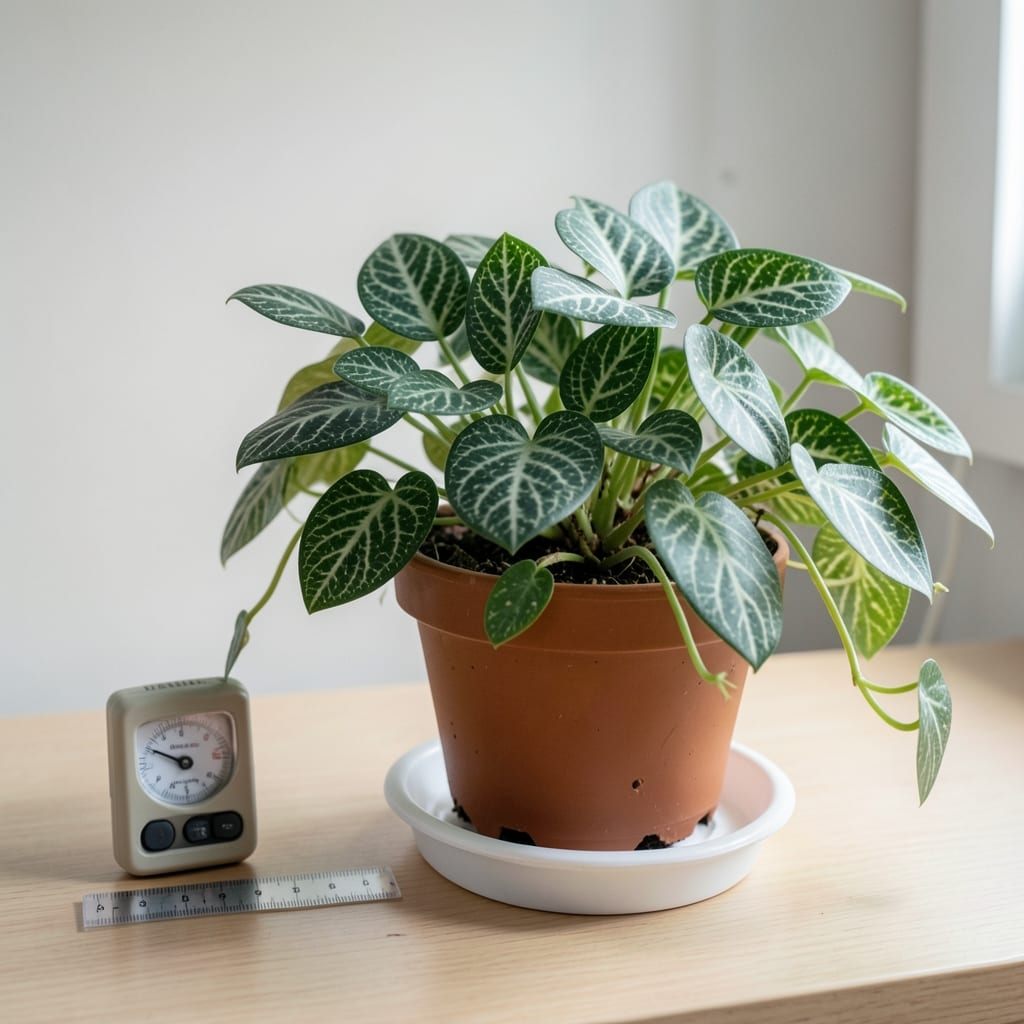
If you’re wondering how much light does a nerve plant need to keep its bold veins vibrant, the answer lies in balancing brightness—not just placement. The most common lighting mistake turns those striking patterns into dull, lackluster foliage, and it’s usually either too little or too much light.
Most growers assume bright light means direct sun, but nerve plants actually crave bright indirect sunlight—think dappled shade or a spot where sunlight filters through sheer curtains. Too little light, and those stunning patterns fade to pale green. Too much direct sun, and you’ll see crispy edges or bleached foliage.
I’ve tested every scenario—from north-facing windows to grow lights—and the key is consistency. Whether you’re working with natural light or artificial setups, we’ll break down the ideal light levels and how to spot when your plant is begging for adjustment.
Ready to revive your nerve plant? Let’s dive into the exact light conditions that’ll bring back those vibrant veins and keep your plant happy year-round.
 Best Window Placement
Ideal light requirements for nerve plants: bright indirect sunlight explained
Nerve plants (Fittonia spp.) thrive under bright indirect sunlight, which mimics their natural understory habitat in tropical forests. This means they need plenty of light, but not harsh, direct rays that can burn their delicate leaves. Think of it like the perfect reading spot—bright enough to see clearly, but not glaring.
The ideal light intensity for nerve plants falls between 4,000-6,000 foot-candles (measured 12 inches from the plant). For reference, this is roughly the light level you’d find 2-3 feet away from an east-facing window or under a sheer curtain on a south-facing window. Direct midday sun (especially west or south-facing) can push light levels to 10,000+ foot-candles, which is far too intense.
Here’s how to visualize the perfect light scenario: Imagine standing under a canopy of trees where sunlight filters through leaves, creating dappled patterns on the forest floor. That’s the bright indirect light your nerve plant craves. Without it, those stunning white, pink, or red veins will fade to pale green, and growth will slow dramatically.
In low-light conditions (like a north-facing window or deep shade), nerve plants become leggy and sparse, stretching toward any available light. On the opposite end, too much direct sunlight causes leaf scorch—visible as crispy, brown edges or bleached patches. Both extremes stress the plant, making it more susceptible to pests and diseases.
| Light Level | Foot-Candles | Window Placement | Leaf Appearance | Growth Effect |
|---|---|---|---|---|
| Low Light | <1,000 | North window or 6+ feet from any window | Pale green, veins disappear | Leggy, sparse growth |
| Medium Light | 1,000-4,000 | East window 2-3 feet away or west window with sheer curtain | Healthy green with visible veins | Compact, steady growth |
| Bright Indirect | 4,000-6,000 | East window 1-2 feet away or filtered south light | Vibrant veins, rich color | Optimal growth, bushy |
| Direct Sun | >10,000 | South or west window without filter | Brown edges, bleached spots | Stunted growth, leaf drop |
If you’re unsure about your home’s light levels, try this quick test: Hold a white piece of paper near your plant for a few minutes. If the shadows are sharp and dark, the light is too direct. If the shadows are soft and the paper barely darkens, you’ve got the perfect bright indirect light setup.
For indoor growers without ideal windows, artificial lighting is a game-changer. LED grow lights with a 5,000-6,500K color temperature (cool white) mimic natural sunlight perfectly. Place the light 12-18 inches above the plant and provide 12-14 hours of light daily to compensate for lower natural light levels. Brands like Spectrum or Mars Hydro offer affordable options that won’t break the bank.
Seasonal adjustments are key too. In winter months, when natural light dims, supplement with a timer-controlled grow light for 4-6 extra hours to maintain those vibrant veins. Conversely, during summer’s intense light, move your nerve plant 1-2 feet farther from the window or use a sheer curtain to diffuse harsh rays.
Pro tip: Rotate your plant quarter-turns every 2-3 weeks to ensure even light exposure. Nerve plants grow toward the light source, which can cause lopsided growth if left unchecked. This simple habit keeps your plant symmetrical and thriving.
Remember, the goal is to replicate the dappled forest light your nerve plant evolved to love. With the right balance, you’ll see those striking veins pop in no time—no more dull, lackluster leaves! 🌿
Signs your nerve plant isn’t getting the right light (and how to fix it)
Your nerve plant’s leaves tell a story—one that often reveals whether it’s getting too much or too little light. The most obvious red flag is fading veins. When light is insufficient, those stunning white, pink, or red patterns dull to pale green, almost disappearing entirely. This is your plant’s way of saying, "I need more brightness to show off my colors!"
On the opposite end, brown or crispy leaf edges scream "sunburn!" Direct sunlight—especially from west or south-facing windows—can scorch delicate foliage. You’ll also notice bleached patches where the plant has been overexposed. These are irreversible damage signs, but catching them early means you can still save your plant by adjusting its light exposure immediately.
Another telltale sign is leggy, sparse growth. When nerve plants stretch toward light sources, they develop long, weak stems with widely spaced leaves. This happens in low-light conditions, like north-facing windows or deep shade. The plant is essentially reaching for more light, but the result is a scraggly, unbalanced appearance that lacks the bushy, vibrant look you love.
⚠️ Warning: Light Stress Symptoms
Overlighting: Brown edges, crispy texture, bleached spots on leaves. Solution: Move to indirect light or add a sheer curtain to diffuse harsh rays.
Underlighting: Pale green leaves, disappearing veins, leggy stems. Solution: Relocate to brighter spot (east window) or supplement with grow lights.
Uneven lighting: Lopsided growth, leaves leaning toward light source. Solution: Rotate plant quarter-turns every 2-3 weeks for balanced exposure.
Slow growth is another subtle clue your nerve plant isn’t happy with its lighting. While these plants are naturally slow-growing, a complete halt in new leaf production signals stress. Check the soil moisture first—sometimes thirst mimics light deprivation—but if the soil is damp, the issue is almost certainly insufficient light. In this case, a grow light becomes your best friend.
For indoor setups without ideal windows, I recommend a 12-14 hour photoperiod using a cool-white LED grow light. Place it 12-18 inches above the plant and use a timer to automate the schedule. Brands like GE LED Plant Lights or Sylvania Grow Lights are budget-friendly options that deliver the 5,000-6,500K spectrum nerve plants crave.
Seasonal adjustments are crucial too. In winter, when natural light dims, supplement with 4-6 extra hours of artificial light. Conversely, during summer’s peak intensity, watch for signs of sunburn and move your plant 1-2 feet farther from the window. A simple sheer curtain can also work wonders by diffusing harsh afternoon rays.
Remember: Your nerve plant’s veins are its signature feature. When they fade or darken, it’s a direct message about its lighting needs. By learning to read these visual cues, you’ll keep your plant’s foliage bold, vibrant, and healthy year-round. 🌿