
Light Requirements
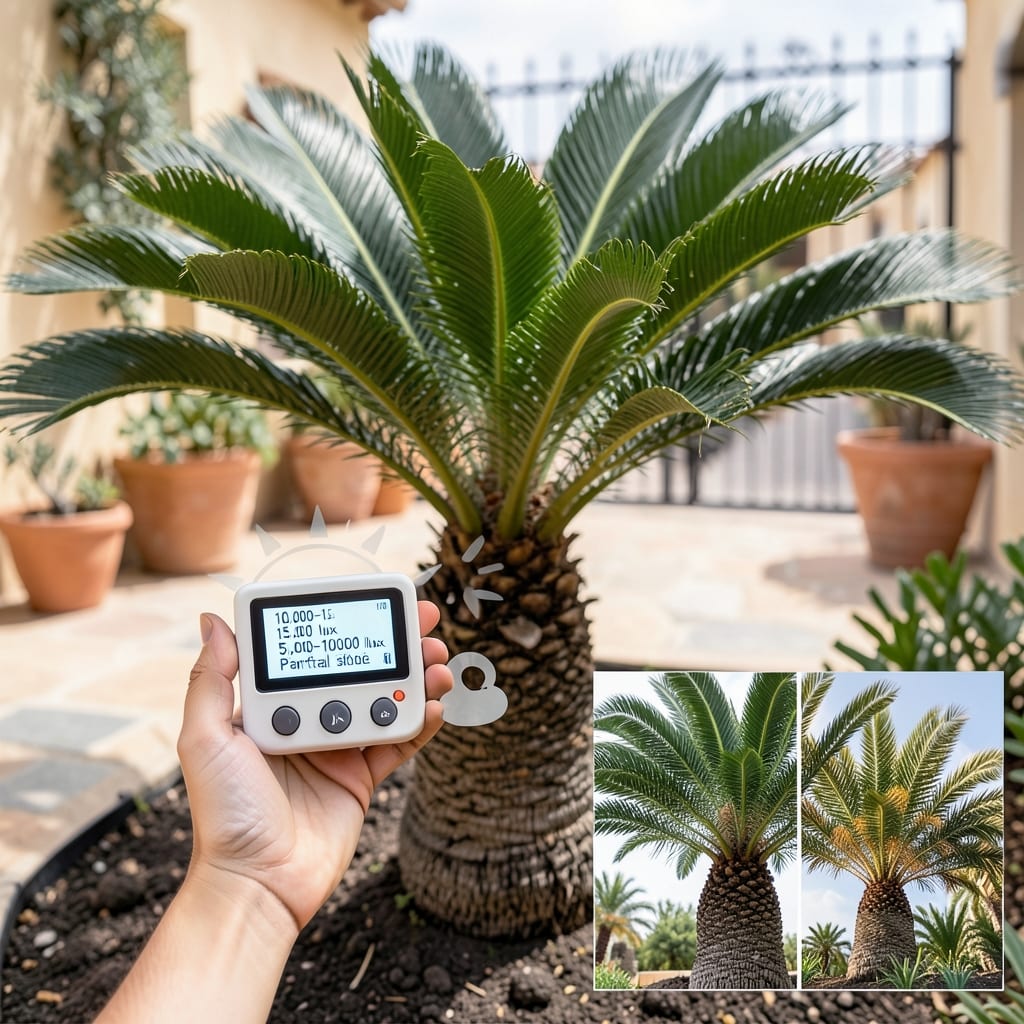
If your 🌴 palm plant is struggling to thrive, the answer might be simpler than you think—it’s all about how much light does a palm plant need. Unlike fussy houseplants, palms actually crave bright, indirect sunlight to fuel their growth, but getting the balance right can be tricky. Too little light, and your palm stretches awkwardly toward the window; too much, and those lush fronds start crisping at the edges. The good news? With a few simple adjustments, you can create the perfect lighting conditions for a healthy, vibrant palm that stands out in any space.
Most palms—whether you’re growing them indoors near a sunlit window or outdoors in your yard—need bright, filtered light for at least 6 hours a day. That means avoiding harsh, direct midday sun (which can scorch leaves) while ensuring they get enough light to prevent leggy, weak growth. The key is mimicking their natural tropical habitat, where dappled sunlight filters through canopy leaves. Whether you’re dealing with a dwarf palm on your patio or a towering standard variety in your living room, understanding these light needs is the first step to keeping your palm looking its best.
But here’s the catch: not all palms are created equal. Some varieties, like the Areca palm, thrive in lower light conditions, while others, such as the Majesty palm, demand more intense brightness. That’s why I’ll break down exactly how much light your specific palm needs, plus tell-tale signs that you’re getting it wrong—so you can adjust before it’s too late. Ready to give your palm the light it deserves? Let’s dive in.
From positioning your plant near the brightest window in your home to supplementing with grow lights when natural light falls short, I’ve got you covered. Whether you’re a beginner or a seasoned plant parent, these tips will help you create the ideal lighting setup for a palm that grows strong, lush, and full of life. No more guesswork—just a happier, healthier plant.

Optimal light requirements for different palm plant types
Palms are famously adaptable, but their light needs vary dramatically depending on the species. While some varieties bask in full sun outdoors, others thrive in the bright indirect light of a north-facing window. The key is understanding your palm’s natural habitat—whether it’s a tropical understory (dappled light) or a sun-drenched coastal plain (direct rays). For example, a Kentia palm (Howea forsteriana) will tolerate lower light levels, while a Canary Island date palm (Phoenix canariensis) craves intense sunlight. Let’s break down the specifics so you can match your palm’s needs to its environment.
Most palms fall into three broad light categories: low-light tolerant, medium-light adaptable, and high-light demanding. The first group includes indoor favorites like the Parlor palm (Chamaedorea elegans), which can survive in 2-4 hours of bright indirect light daily. These palms are perfect for offices or rooms with minimal natural light. The middle category—think Areca palms or Bamboo palms—thrives with 4-6 hours of filtered sunlight, making them ideal for east- or west-facing windows. Finally, the high-light group, such as Mediterranean fan palms or Pygmy date palms, needs 6+ hours of direct sun to prevent leggy growth or yellowing fronds.
Outdoor palms complicate things further because seasonal light shifts can drastically alter their needs. A palm planted in full sun during summer might need afternoon shade in fall to avoid scorching. For instance, a California fan palm (Washingtonia filifera) can handle 6-8 hours of direct sun daily but benefits from afternoon shade in USDA Zones 8-10 during peak heat. Always observe your palm’s frond color and growth pattern—if new leaves are pale or stretched, it’s time to adjust its light exposure.
Here’s a pro tip: Rotate your palm every 2-4 weeks if it’s indoors near a window. This ensures even growth and prevents the plant from leaning toward the light source. Outdoors, avoid planting palms in reflective heat zones, like black asphalt or concrete, which can bake their roots. Instead, opt for well-draining, slightly acidic soil (pH 5.5-6.5) and mulch to regulate soil temperature.
🌴
If you’re unsure which category your palm falls into, start by observing its natural growth habits. For example, Areca palms often develop long, arching fronds when starved for light, while Parlor palms may drop fronds if exposed to harsh afternoon sun. Another trick is to check the underside of leaves: if it’s a deep green, your palm is likely getting enough light. If it’s pale or yellowing, it’s time to move it closer to a brighter spot—or further away if it’s scorching.
For outdoor palms, consider the microclimate of your yard. A palm planted near a south-facing wall in a hot climate may need afternoon shade cloth to prevent heat stress. Conversely, a north-facing garden bed might require a sun-loving variety like the Sago palm (Cycas revoluta), which tolerates partial shade but performs best in full sun. Always acclimate newly planted palms to their new light conditions over 1-2 weeks to avoid shock.
One common mistake I see is assuming that more light is always better. While palms love brightness, intense midday sun (especially between 10 AM and 4 PM) can cause irreversible damage. If your outdoor palm’s fronds develop brown, crispy patches, it’s a clear sign of sunburn. In these cases, provide dappled shade using a sheer curtain or a nearby tree canopy. For indoor palms, a sheer white curtain can diffuse harsh rays while still allowing plenty of light through.
🌿
Signs your palm isn’t getting the right light exposure
Your palm plant might look healthy at first glance, but subtle light-related stress signs often go unnoticed until it’s too late. One of the first red flags is yellowing fronds, especially on older leaves. This usually indicates too little light, causing the palm to prioritize energy for new growth over maintaining mature leaves. If you notice this, move your palm closer to a bright, indirect light source—like a south-facing window with sheer curtains—or supplement with a grow light if indoors.
On the opposite end, brown, crispy edges on fronds are a classic sign of sunburn, often caused by direct midday sun exposure. This damage is irreversible, but you can prevent further harm by providing afternoon shade using a sheer curtain or moving potted palms to a spot with dappled sunlight. Outdoor palms in hot climates may need shade cloth during peak sun hours (10 AM–4 PM) to avoid this issue.
Another common symptom is stretched or leggy growth, where the stems elongate dramatically while fronds become sparse. This happens when palms reach for light in low-light conditions, leading to weak, unstable stems. To fix this, rotate your palm quarter-turns every 2-4 weeks to encourage even growth, and consider upgrading to a brighter location or adding a reflective surface (like a white wall) to bounce more light onto the plant.
🌴
⚠️ Watch for These Light Stress Signs
- Pale or white fronds = Too much direct sun (sunburn risk)
- Yellowing fronds = Too little light (nutrient deficiency)
- Brown tips = Low humidity + harsh light (check watering too!)
- Curling fronds = Sudden light change (acclimate gradually)
Seasonal changes can also throw off your palm’s light balance. In winter months, shorter daylight hours mean many palms experience light deprivation, leading to slowed growth or dropped fronds. If you notice this, supplement with a full-spectrum LED grow light placed 12–18 inches above the plant for 12–14 hours daily. For outdoor palms, mulch heavily in fall to protect roots from temperature swings that can stress the plant further.
One often-overlooked clue is the underside of fronds. A healthy palm should have deep green undersides, while pale or yellowing undersides signal light starvation. Conversely, if the undersides develop white or bleached patches, it’s a sign of excessive sunlight exposure. Regularly inspecting both sides of the fronds helps you catch light-related issues before they become severe.
Pro tip: Keep a light journal for 2–4 weeks to track your palm’s response to its current conditions. Note the time of day it receives light, any frond color changes, and growth patterns. For example, if your Majesty palm develops brown spots by mid-afternoon, it’s clearly getting too much direct sun. Adjust by moving it 5–10 feet back from the window or adding a light diffuser.
Finally, new growth patterns speak volumes. Healthy palms produce compact, vibrant fronds with even spacing. If new fronds are small, sparse, or pale, your palm isn’t getting enough light. Conversely, oversized fronds with wide gaps often mean it’s receiving too much light. By tuning into these subtle cues, you’ll master the art of balancing light exposure for a palm that thrives year-round. 🌿