
Light Requirements
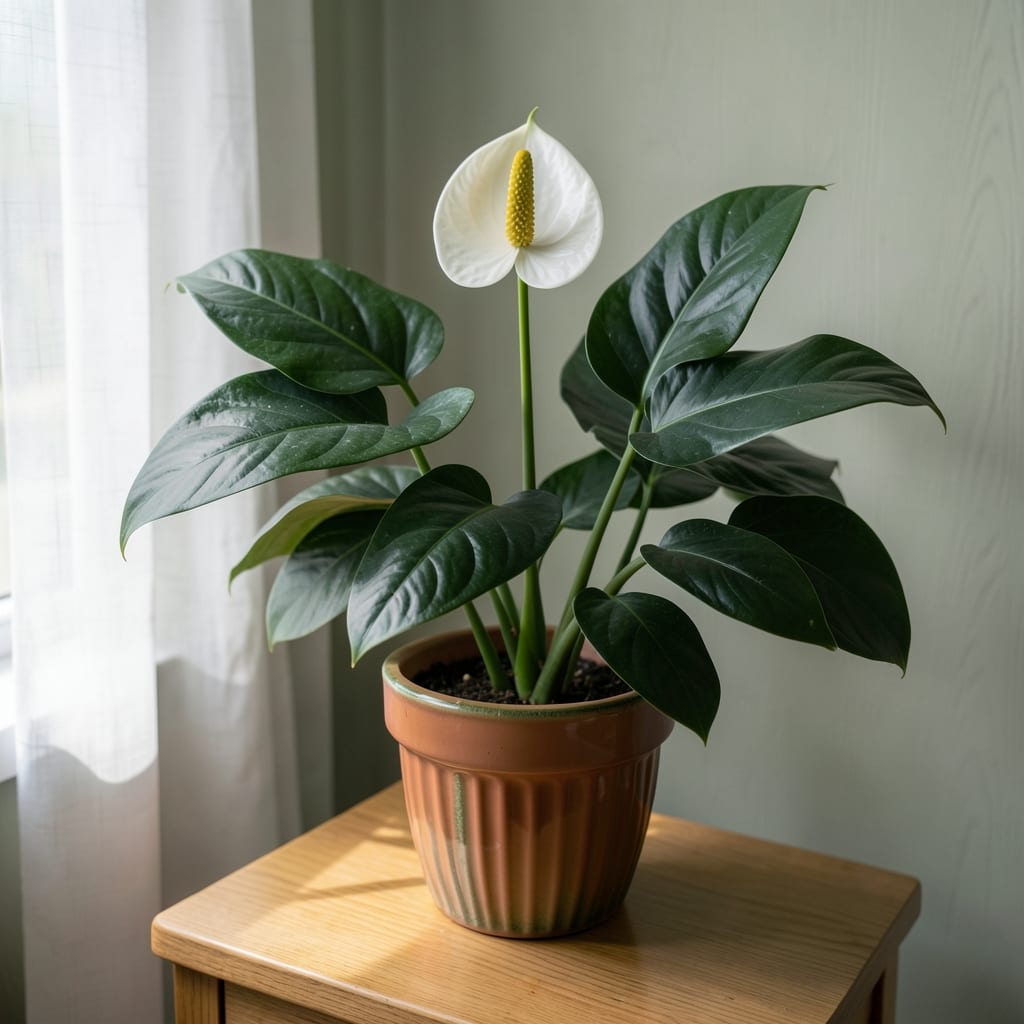
If your peace lily 🌿 is looking more like a sad, droopy friend than a thriving houseplant, you’re probably dealing with how much light this plant needs. The truth is, this hardy plant doesn’t just tolerate low light—it actually thrives in conditions where other plants would struggle.
Most people assume peace lilies are low-maintenance, but their light requirements are the real game-changer. Too much direct sun can turn those glossy leaves brown, while too little light leaves them dull and leggy. The key? Bright, indirect light—think filtered morning sun or a spot near a north-facing window.
Here’s the good news: peace lilies are forgiving, but they do have preferences. I’ll break down exactly how to spot the signs of over- or under-lighting and how to adjust your space so your plant stays lush and happy—no guesswork required.
Whether you’re dealing with a dim corner or a sunlit room, these tips will help you create the perfect light environment for your peace lily’s growth. Let’s get those leaves perky again!

Peace lily light requirements: ideal light spectrum for healthy growth
Your peace lily (Spathiphyllum) thrives in bright indirect light, but its fame as a "low-light plant" often leads to confusion. The key is understanding the light spectrum and intensity—too little causes leggy stems, while too much triggers brown leaf tips. Let’s break down the science behind its ideal light environment.
The perfect light balance for a peace lily falls between 2,000–3,000 foot-candles of light intensity. This is roughly equivalent to the light 3–6 feet away from a north-facing window during morning to midday hours. Unlike sun-loving plants, peace lilies prefer diffused light, which mimics their natural understory habitat in tropical forests.
Here’s how to spot light-related stress in your plant:
- Too little light: Dark green leaves, slow growth, and stems stretching toward light ("etiolation").
- Too much light: Yellowing leaf edges, crispy brown patches, and wilting.
- Perfect light: Glossy, deep green leaves with occasional white spathe blooms.
🌿
The light spectrum matters just as much as intensity. Peace lilies prefer a balance of blue light (for growth) and red light (for flowering). Artificial lights like full-spectrum LEDs or fluorescent bulbs (6,500K color temperature) can mimic this balance. Avoid warm white bulbs, which skew too red and can stress the plant.
For indoor growers, place your peace lily 6–12 inches under a grow light for 12–14 hours daily. If using natural light, avoid south or west-facing windows during peak afternoon sun, as the light is too harsh. Instead, opt for east-facing windows for gentle morning light or north-facing windows for consistent, soft illumination.
Pro tip: If your peace lily’s leaves start developing yellow patches or brown edges, it’s often a sign of overwatering combined with light stress. Reduce watering slightly and adjust the plant’s position to bright indirect light to see improvement within 2–4 weeks.
🪴
One common misconception is that peace lilies can thrive in complete darkness. While they’re more tolerant than most houseplants, this leads to weak, spindly growth and fewer blooms. Even a small LED nightlight (1–2 watts) can provide enough light to prevent etiolated stems. Think of it as a "light snack" for your plant!
Finally, remember that seasonal changes affect light availability. In winter, when daylight hours shrink, supplement with a grow light or move your peace lily to the brightest spot in your home. This prevents the "winter blues" and keeps your plant lush year-round.
How to adjust your peace lily’s light environment for maximum growth
Adjusting your peace lily’s light doesn’t require drastic changes—just a few strategic tweaks can transform its growth. Start by evaluating your home’s natural light sources. East-facing windows provide the gentlest morning sun, while north-facing windows offer consistent, soft light throughout the day. If your space lacks windows, grow lights become your best friend.
For south or west-facing windows, use sheer curtains to diffuse harsh afternoon rays. Place your peace lily 3–5 feet away from these windows to prevent leaf scorch. If you notice brown tips or yellowing, it’s a clear sign the light is too intense. Rotate the pot quarter-turns every 2–3 weeks to ensure even growth and prevent lopsided stems.
🌱
- 1 Window Placement: Position 1–3 ft from north or east windows for ideal bright indirect light. Avoid south/west windows without filters.
- 2 Artificial Light: Use full-spectrum LED grow lights 6–12 inches above the plant for 12–14 hours/day. Fluorescent bulbs (6,500K) work too but may require closer placement.
- 3 Seasonal Adjustments: In winter, move closer to windows or add a grow light. In summer, increase distance from windows to prevent leaf burn.
- 4 Troubleshooting: Leggy stems? Move to brighter light. Brown tips? Reduce light intensity and check watering habits. No blooms? Add a red-light supplement (like a grow bulb) to encourage flowering.
- 5 Bathroom Boost: Peace lilies love the humidity in bathrooms! Place near a north-facing window or under a grow light for vibrant growth. Just avoid direct steam from showers.
If your peace lily develops leggy, weak stems, it’s craving more light. Gradually move it closer to a bright, indirect source over 3–5 days to avoid shocking the plant. For office spaces with fluorescent lighting, ensure the bulbs are 6,500K or higher to provide enough blue light for healthy growth.
🪴
Don’t overlook the psychology of light. Peace lilies respond to daylength cues—shorter winter days can reduce blooming. If you want frequent white spathe flowers, supplement with a 14-hour light cycle using a timed grow light. Even a simple LED bulb on a timer can make a difference!
For apartment dwellers without windows, invest in a high-quality LED grow light with adjustable spectra. Brands like Samsung LM301B or GE LED Grow Lights mimic natural sunlight effectively. Place the light 6–12 inches above the plant and adjust height as the lily grows to maintain consistent light intensity.