
Plants
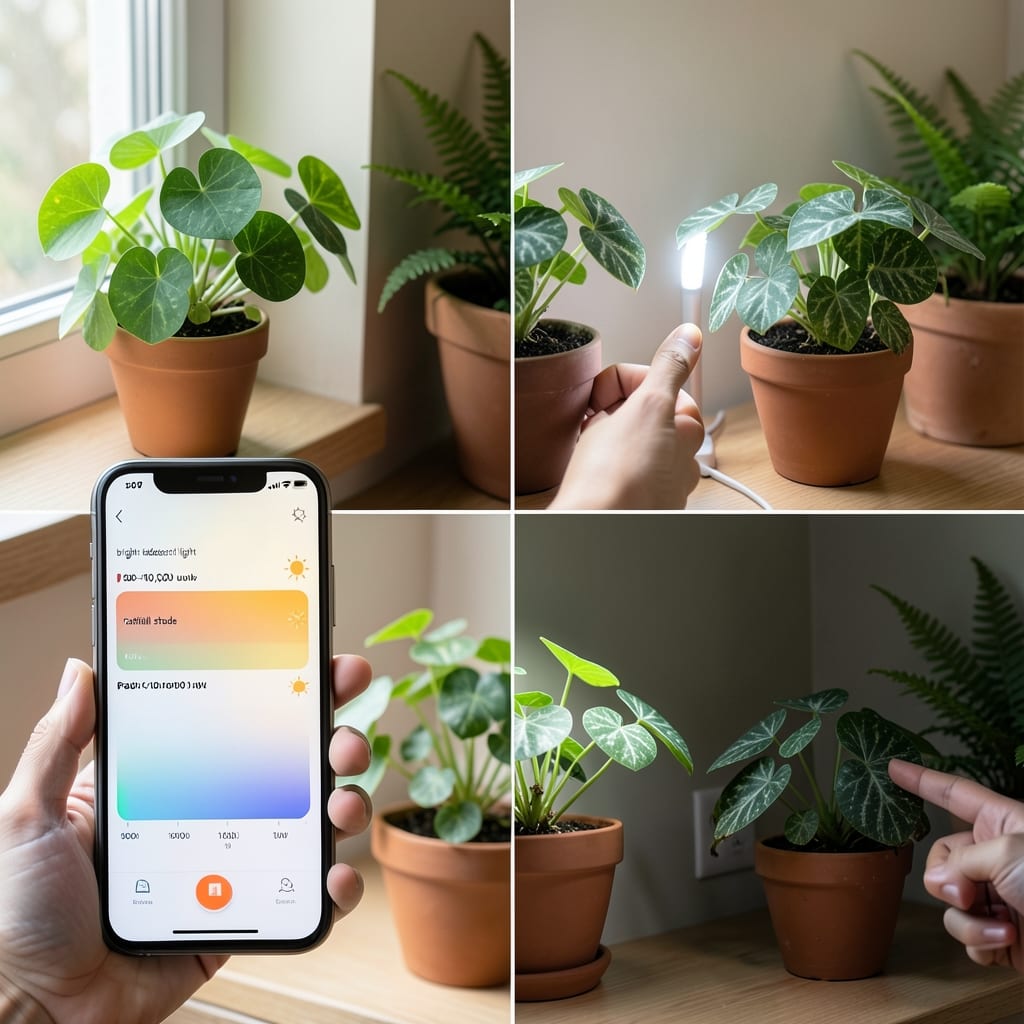
If your 🍀 shamrock plant looks sad with droopy leaves or pale stems, you’re probably missing how much light does a shamrock plant need—the right balance isn’t just a suggestion; it’s the game-changer between a thriving plant and one that barely survives.
Most gardeners overlook how light affects shamrocks, assuming they’re low-maintenance. But these delicate plants need more than just any old spot—they crave gentle, filtered rays, especially in USDA Zone 6a climates where spring sunshine can be intense. Too much direct sun? Watch your leaves scorch. Too little? You’ll get leggy, weak growth that flops over like a tired ballerina.
Here’s the good news: achieving the perfect light setup is easier than you think. Whether you’re growing your shamrock indoors by a north-facing window or outdoors in partial shade, I’ll show you exactly how to spot the signs of light stress and tweak your setup for vibrant, healthy foliage—no guesswork required.
Ready to turn your shamrock from struggling to stunning? Let’s dive into the secrets of sunlight that’ll have your plant reaching for the sky—literally. You’ll learn how to diagnose light issues, adjust your space, and even use artificial lighting if nature isn’t cooperating.
 Best Window Placement
Ideal light requirements for shamrock plants: the 4-6 hour rule explained
Shamrock plants (Oxalis species) thrive best with 4-6 hours of bright, indirect sunlight daily. This partial shade preference helps prevent leaf burn while ensuring enough energy for vibrant growth. Unlike sun-loving plants, shamrocks avoid harsh midday rays, making them perfect for east or north-facing windows or dappled shade outdoors.
Direct sunlight for more than 2-3 hours daily can scorch delicate clover-like leaves, causing yellowing or crispy edges. Meanwhile, less than 4 hours of light leads to leggy stems and pale foliage. The key is balancing natural light intensity with protection from intense afternoon sun.
Indoor shamrocks often struggle with low light conditions in west or south-facing rooms. If your plant is near a window, rotate it quarter-turn weekly to prevent uneven growth. For outdoor cultivation, morning sun paired with afternoon shade mimics their natural woodland habitat.
Seasonal adjustments matter too. During summer months, shamrocks may need filtered light or temporary shade cloth to avoid stress. In winter, supplement with a grow light if natural light drops below 4 hours daily. This flexibility ensures consistent growth year-round.
Shamrock Light Requirements Summary
| Light Type | Daily Duration | Ideal Conditions | Outdoor Placement |
|---|---|---|---|
| Bright Indirect | 4-6 hours | East/north windows, dappled shade | Morning sun + afternoon shade |
| Direct Sun | <2 hours | Morning only, avoid afternoon | Containers in partial shade |
| Low Light | <4 hours | Grow lights or north-facing rooms | Understory or filtered light |
🌱 Pro Tip: Test light exposure by moving plants gradually—observe leaf color changes within 1-2 weeks.
For container gardening, choose pots with light-colored surfaces to reflect excess heat. Dark containers absorb sunlight, raising soil temperatures and stressing roots. If growing outdoors in hot climates, use 50% shade cloth during peak hours (11 AM–3 PM) to maintain ideal conditions.
Watch for seasonal light changes—shamrocks grown indoors near windows may need supplemental grow lights in winter when daylight shrinks. A simple LED grow bulb (6400K color temperature) placed 6–12 inches above the plant mimics natural light cycles effectively.
Outdoor shamrocks planted in woodland gardens benefit from natural canopy coverage. Mimic this by positioning them under larger shrubs or trees that filter sunlight. Avoid full-sun garden beds unless your climate has mild summers and consistent afternoon shade.
Remember: Leaf color is your best indicator. Healthy shamrock leaves stay vibrant green with slight purple undersides. Dull or yellowing leaves signal insufficient light, while crispy edges mean too much direct sun. Adjust placement gradually—sudden changes shock delicate roots.
In urban apartments, maximize light by placing shamrocks on bookshelves or window sills near east-facing windows. If only south-facing windows are available, use sheer curtains to diffuse intensity. For office spaces, a rotating plant stand ensures even light exposure.
With the right light balance, your shamrock will reward you with lush, trifoliate leaves and occasional delicate pink or white flowers. Start with 4-6 hours of bright indirect light, monitor leaf health weekly, and adjust as seasons change—your shamrock will thrive for years!
Signs your shamrock isn’t getting enough (or too much) light
Your shamrock plant speaks volumes through its leaves—pay attention to these visual cues that reveal light imbalances. Pale, stretched stems and large, sparse leaves are classic signs of insufficient light, as the plant reaches desperately for sunlight. This leggy growth occurs when your shamrock gets less than 4 hours of light daily, causing weak cell walls and poor nutrient absorption.
On the flip side, crispy leaf edges or bleached yellow patches signal excessive direct sun exposure. These sunburn symptoms appear within days of too much harsh light, especially during afternoon hours (1 PM–4 PM). If your shamrock’s leaves feel dry or papery to the touch, it’s begging for shade relief.
Light Stress Symptoms: Quick Diagnosis
- Pale, yellow-green leaves
- Stems stretch toward light
- Slow growth
- Fewer trifoliate leaves
🌱 Fix: Move to brighter spot or add grow light.
- Brown, crispy edges
- Bleached white/yellow patches
- Wilting despite watering
- Premature leaf drop
☀️ Fix: Provide afternoon shade or sheer curtain.
Watch for uneven growth patterns, like one side of the plant growing taller or darker than the other. This happens when your shamrock is tilted toward a light source (like a window) and isn’t rotated regularly. To fix this, turn the pot ¼ turn weekly so all sides receive equal light exposure. For outdoor shamrocks, this means repositioning the container every few days during spring and summer.
Another red flag? Dormancy in active seasons. If your shamrock stops producing new leaves despite proper watering, it’s likely light-starved. Even in USDA Zone 6a, winter light levels can drop below the 4-hour threshold needed for growth. Supplement with a 12-hour grow light cycle (6 AM–6 PM) to mimic natural daylight and keep your plant active.
For indoor shamrocks, check the window type. Single-pane windows let in harsher light that can scorch leaves, while double-pane or insulated glass diffuses sunlight more gently. If your plant is near a south-facing window, use a light-colored sheer curtain to filter intensity without blocking all light. Test the effect within 3–5 days—healthy leaves should stay vibrant green without crispy edges.
Pro tip: Leaf undersides reveal hidden stress. Healthy shamrock leaves have slight purple tinges on the underside, while stressed leaves turn pure green or brown. Use this quick check weekly to catch light issues before they damage your plant. Adjust placement gradually—sudden moves shock delicate roots and can cause leaf drop.
Remember: Light stress is reversible if caught early. Start by observing leaf color, then adjust exposure in small increments. Within 2–4 weeks, your shamrock should bounce back with lush, trifoliate leaves and a compact, bushy growth habit. With the right light balance, your plant will reward you with year-round vitality—no matter the season.