
Companion Plants
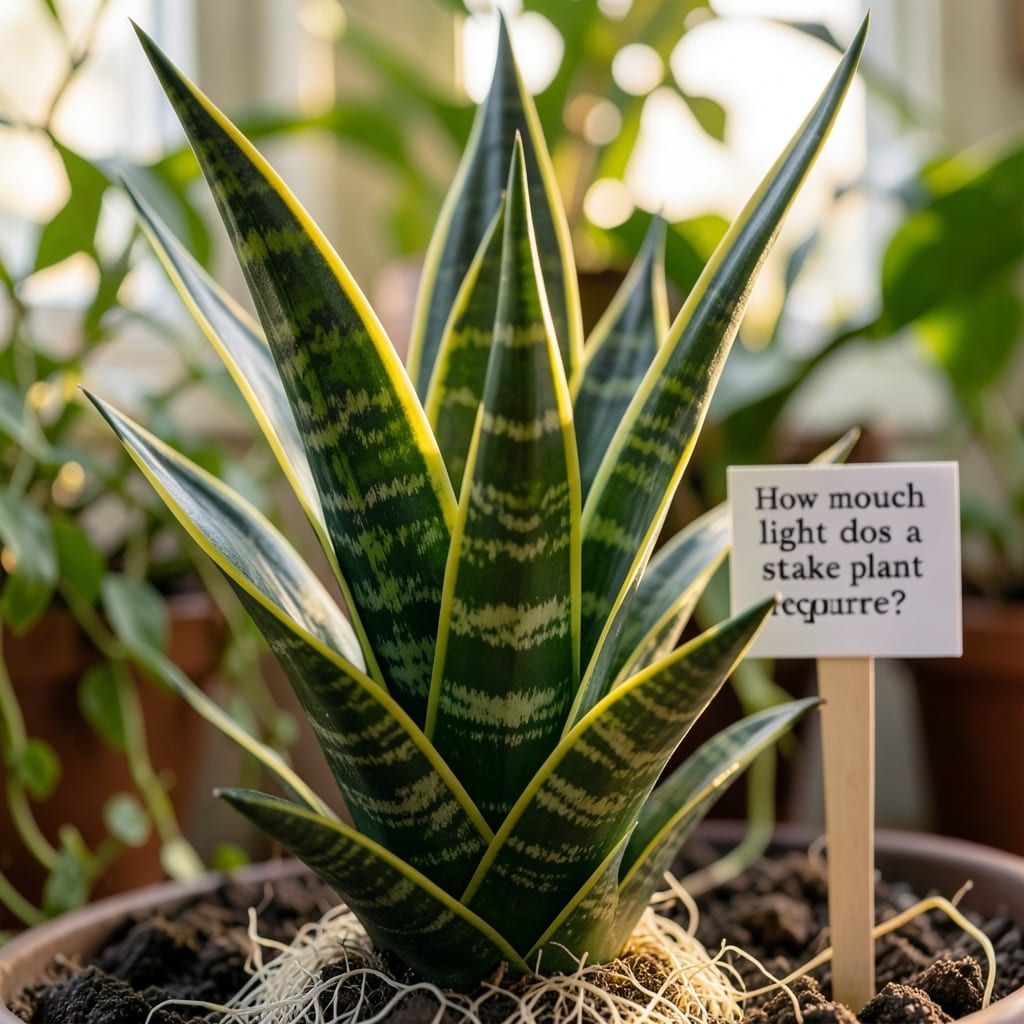
If you’ve ever wondered how much light does a snake plant require to go from just surviving to thriving, the answer might be simpler than you think—it’s all about light. This hardy plant is famous for surviving neglect, but even the toughest greens need the right conditions to truly thrive.
You don’t need to turn your space into a sunroom, but getting the light balance right can transform your snake plant from a mere survivor to a vibrant showstopper. Whether you’re dealing with dim corners or bright windows, I’ll break down exactly how much light your snake plant needs—and how to spot when it’s getting too much (or too little).
From the ideal bright indirect light that fuels growth to the sneaky signs of stress (like yellowing leaves or brown tips), you’ll learn how to adjust placement for maximum health. Plus, I’ll cover what happens when your plant’s light needs change with the seasons—because even snake plants appreciate a little seasonal flexibility.
Ready to give your snake plant the perfect spot? Let’s dive into the simple tricks that’ll have it looking lush in no time—no green thumb required.

Ideal light requirements for snake plants: balancing growth and survival
Snake plants (Sansevieria) are famous for their low-maintenance nature, but their light requirements still play a crucial role in their health. Unlike sun-loving plants, snake plants thrive in low to bright indirect light, making them perfect for offices, bedrooms, or spaces with limited natural light. Understanding their light tolerance range helps prevent common issues like yellowing leaves or slow growth.
The key to happy snake plants lies in bright indirect sunlight, which mimics their natural habitat under the canopy of African savannas. While they can survive in low-light conditions, their growth rate slows significantly. Too much direct sunlight, however, can scorch their leaves, turning them brown or crispy. Finding the right balance ensures your plant stays vibrant and healthy.
Bright indirect light is ideal for snake plants, providing enough energy for photosynthesis without risking leaf burn. Place your plant within 2-3 feet of a north- or east-facing window, where sunlight is gentler. South- or west-facing windows may require sheer curtains to diffuse harsh rays, especially during peak afternoon sun.
Seasonal adjustments are also important. In spring and summer, when sunlight is intense, your snake plant may need partial shade to prevent stress. During fall and winter, when natural light decreases, supplement with a grow light if your plant appears leggy or pale. This simple tweak keeps your snake plant thriving year-round.
If you notice your snake plant developing yellow or brown tips, it’s often a sign of too much direct sunlight or overwatering. Move the plant to a shadier spot and reduce watering frequency. On the other hand, pale or stretched leaves indicate insufficient light. Rotate the plant occasionally to ensure even light exposure, as leaves may lean toward the light source.
For beginners, start by placing your snake plant in a moderately lit room and observe its response. If growth slows or leaves darken, it’s time to adjust its location. Remember, snake plants are forgiving, but they’ll reward you with healthier growth when given the right light conditions. Even a small tweak, like moving it closer to a window, can make a big difference.
Outdoor snake plants also benefit from filtered sunlight, especially during summer. If you’re growing yours outside, choose a partially shaded spot under a tree or on a covered patio. Avoid placing it in full sun for extended periods, as the heat can damage its leaves. With the right light, your snake plant will flourish both indoors and outdoors.
One of the best features of snake plants is their adaptability. Whether you’re in a brightly lit living room or a dimly lit office, they’ll survive—but they’ll thrive in bright indirect light. Pay attention to their leaf color and growth rate, and adjust accordingly. Your snake plant will thank you with lush, upright foliage for years to come.
🌱
How to adjust light conditions for different snake plant varieties
Not all snake plants are created equal when it comes to light preferences. While they’re all famously low-maintenance, some varieties like the bold 'Laurentii' with its striking yellow edges crave more light than the delicate compact 'Hahnii'. Understanding these differences ensures your plant thrives—and prevents those frustrating brown tips or stretched-out leaves.
The key is matching your variety’s natural habitat. 'Futura Superba', for example, thrives in bright indirect light to showcase its dramatic patterns, while 'Hahnii' (the "bird’s nest" snake plant) does just fine in low-light offices. Even pet owners benefit from this knowledge—placing toxic-free varieties in low-light bathrooms keeps them safe while still happy.
Here’s how to adjust light for the most popular varieties without guesswork:
| Variety | Ideal Light | Best Window | Signs of Too Much Light |
|---|---|---|---|
| 'Laurentii' | Bright indirect (4+ hours) | East or West | Brown leaf tips |
| 'Futura Superba' | Bright indirect (3-5 hours) | South (filtered) | Bleached patterns |
| 'Hahnii' | Low to medium indirect (2-3 hours) | North or office | Leggy growth |
| 'Moonshine' | Medium indirect (3 hours) | East or fluorescent | Dull variegation |
For 'Laurentii' and 'Futura Superba', rotate your plant every 2-3 weeks to prevent uneven growth toward the light. Place them 3 feet from a south-facing window with a sheer curtain to filter harsh rays. Meanwhile, 'Hahnii' and 'Moonshine' can thrive near north-facing windows or under LED grow lights for 6-8 hours daily.
Pro tip: If your variety develops stretched leaves, it’s begging for more light. Move it closer to a window or supplement with a 12-inch grow bulb for 10 hours a day. Conversely, if leaves turn dark green and glossy, it’s getting too much direct sun—relocate to a shadier spot immediately.
Even the fussiest varieties adapt well when you pay attention to these cues. Start with the right light, and your snake plant will reward you with bold colors and healthy growth—no matter where you place it in your home.