
Light Requirements
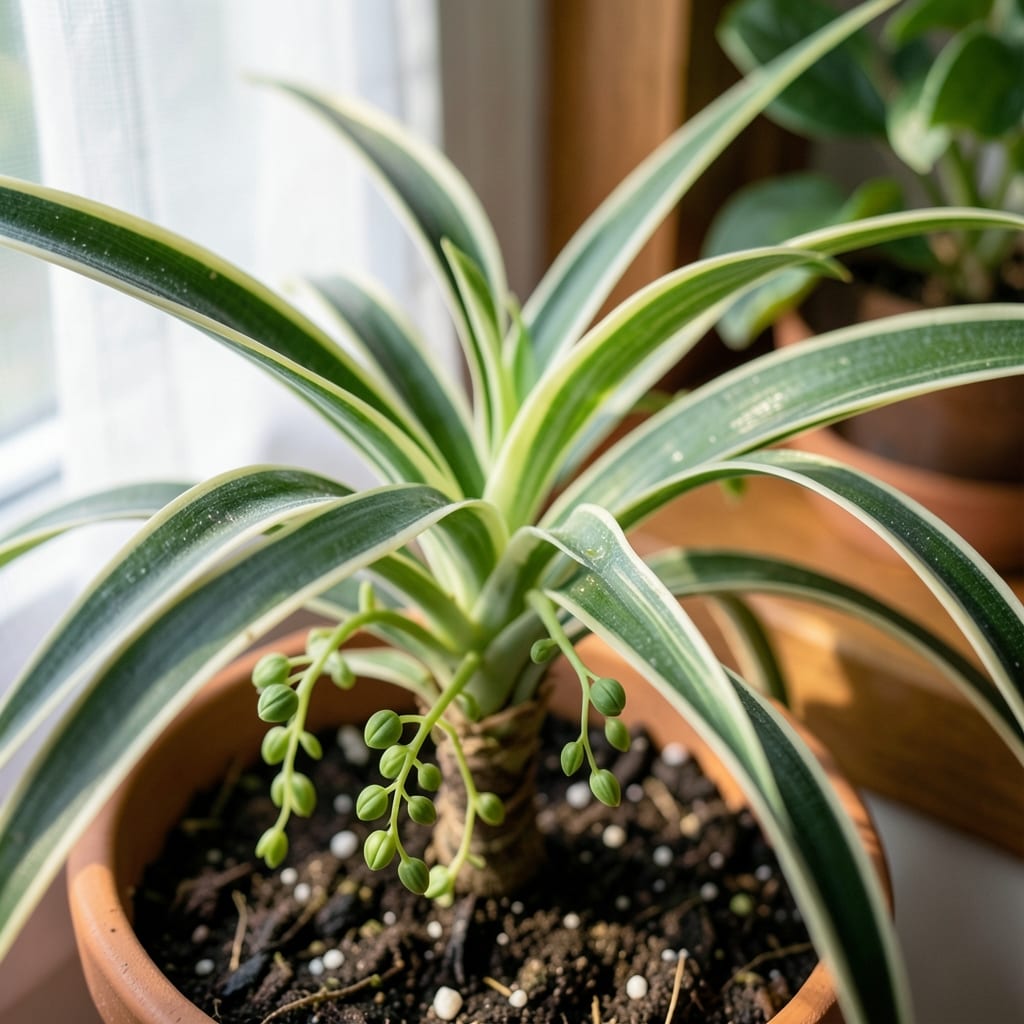
If your Spider Plant 🌿 is sporting brown tips or stretching toward the ceiling, you’re probably asking: how much light does a spider plant need indoors to stay lush and healthy?
The answer might surprise you—it’s not about blasting it with sunlight or hiding it in a dark corner. Spider plants thrive in bright, indirect light, ideally 4–6 hours of filtered sunlight per day. Too little light, and they’ll grow leggy; too much direct sun, and those crispy edges appear. The key is finding that sweet spot where your plant stays vibrant without stress.
Whether you’re dealing with a dim office or a sun-drenched living room, I’ll break down exactly how to adjust your plant’s light exposure for streak-free foliage and steady growth. No guesswork—just clear, actionable steps to keep your spider plant happy year-round.
Let’s tackle those brown tips and slow growth once and for all, so your plant can flourish in your exact indoor setup.

Spider plant light requirements: ideal hours and intensity for healthy growth
Your spider plant (Chlorophytum comosum) thrives with 4–6 hours of bright indirect light daily, making it perfect for most indoor spaces. This medium-light plant avoids harsh direct sunlight, which can scorch its striped green-and-white leaves. Understanding these needs prevents common issues like brown tips or leggy growth.
Indoor light varies by window direction and season. A north-facing window provides gentle, consistent light, while south-facing windows can deliver intense rays that require filtering. Even low-light bathrooms or offices can work with adjustments—your plant just grows slower.
Young spider plants need slightly more light than mature ones to develop strong roots and foliage. Mature plants tolerate lower light conditions but may produce fewer spiderettes (baby plants). The key is balancing light intensity and duration to avoid stress.
For optimal growth, place your spider plant within 1–3 feet of an east- or north-facing window. These windows provide gentle morning light without the harsh afternoon sun. If using a south-facing window, add a sheer curtain to diffuse light and prevent leaf scorch.
Seasonal changes affect light exposure too. In winter, shorter daylight hours mean your plant may need a grow light for 6–8 hours daily to maintain health. Conversely, summer’s intense rays can overwhelm even indirect light—rotate your plant quarter-turns weekly for even growth.
Watch for visual cues like pale yellow leaves (underlighting) or dark brown patches (too much direct sun). These signs help you adjust placement before damage occurs. Remember, spider plants are adaptable—they’ll survive in low light but won’t thrive without adequate brightness.
Pro tip: Rotate your plant every 2–4 weeks to ensure all leaves receive equal light. This prevents lopsided growth and keeps those arching striped leaves looking their best. Even a few extra minutes of morning sun can make a difference in your plant’s vitality.
If your space lacks natural light, a 10–15 watt LED grow light placed 6–12 inches above the plant for 6 hours daily mimics ideal conditions. Pair this with regular watering (let topsoil dry slightly between waterings) to keep your spider plant happy year-round.
🌿 Key takeaway: Aim for 4–6 hours of bright indirect light, adjust for seasonal changes, and watch for leaf color changes to fine-tune your plant’s environment. With the right light, your spider plant will reward you with lush foliage and plenty of spiderettes to share! 🪴
How to adjust light for spider plants in different indoor spaces
Your spider plant’s light needs change depending on your home’s layout. If you have a north-facing window, you’re in luck—this is the ideal spot for these plants. The light is soft and consistent, perfect for 4–6 hours of bright indirect light without risking burns. For south-facing windows, the intense afternoon sun can cause leaf scorch, so use a sheer curtain to filter the rays.
East-facing windows offer gentle morning light, ideal for gradual growth. West-facing windows provide strong afternoon light, which can be too harsh—move your plant 2–3 feet back or use a light filter to mimic indirect conditions. Even low-light bathrooms or offices can work, but your plant may grow slower and produce fewer spiderettes (baby plants).
🌱 Quick Adjustments for Your Space
- 📍 North Window: Place 1–3 feet away for perfect bright indirect light.
- ☀️ South Window: Use a sheer curtain to diffuse harsh rays; keep 3–4 feet back.
- 🌅 East Window: Ideal for morning light—rotate plant weekly for even growth.
- 🌇 West Window: Move 2–3 feet back or add a light filter to avoid scorching.
- 🏢 Low-Light Rooms: Use a 10–15 watt LED grow light for 6 hours daily if natural light is insufficient.
For dim corners or basements, a grow light is your best friend. A simple LED bulb (10–15 watts) placed 6–12 inches above the plant mimics natural light. Run it for 6 hours daily to compensate for low-light conditions. Pair this with regular rotation (every 2–4 weeks) to prevent lopsided growth.
Seasonal shifts also demand attention. In winter, shorter days mean your plant may need supplemental light. Extend exposure to 8 hours daily with a grow light to maintain health. In summer, intense sunlight can overwhelm even indirect light—move your plant further from the window or use a light-reflective surface (like a white wall) to bounce light gently onto the leaves.
Pro tip: Test your plant’s light tolerance by moving it incrementally. If you notice new brown tips after a change, it’s getting too much direct sun. If leaves turn pale and stretch, it needs more light. Spider plants are forgiving, but small adjustments prevent long-term stress.
🪴 Action