
Light Requirements
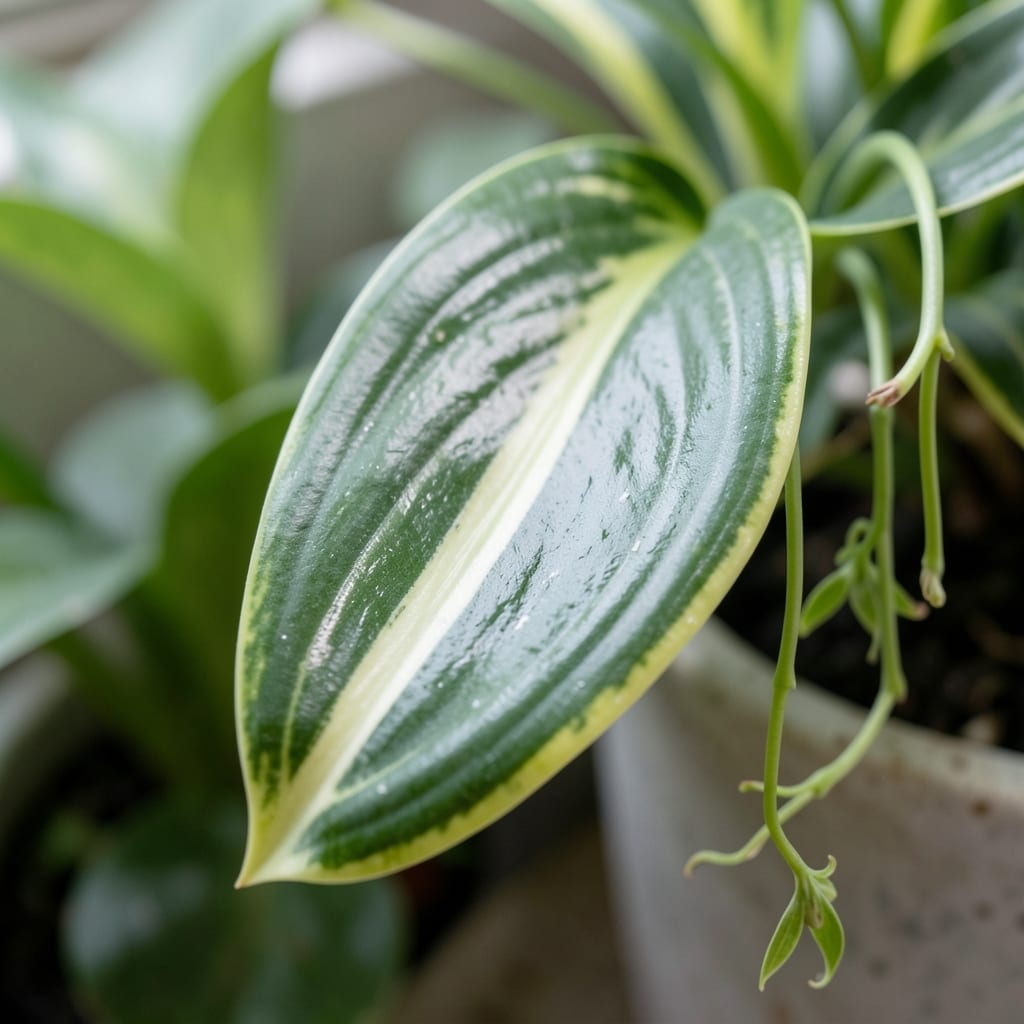
If you’re wondering how much light does a spider plant need? to thrive, the answer might be simpler than you think—it’s all about finding the right balance. This resilient houseplant is famous for surviving in conditions most others would struggle with, but even it needs the perfect lighting to stay lush and green.
Too little light and your plant stretches awkwardly, while too much can scorch its leaves. The good news? Most homes already have the perfect spot for a Spider Plant—just not always where you’d expect. Let’s uncover the ideal lighting conditions to keep your plant happy and healthy.
From north-facing windows to office spaces with fluorescent lighting, I’ll show you exactly where to place your Spider Plant for optimal growth. No guesswork, just proven tips to prevent yellowing and encourage those signature striped leaves.
Ready to transform your plant’s future? By the end of this guide, you’ll know how to spot the perfect light—whether you’re dealing with a sunroom or a dim corner. Let’s get started!


Ideal light requirements for spider plants: low to medium indirect sunlight explained
Spider plants (Chlorophytum comosum) are famously adaptable, but their light needs directly impact their health and growth. These plants thrive in bright indirect light, which mimics their natural under-canopy habitat. Too little light leads to leggy growth, while too much causes brown leaf tips. The key is finding that sweet spot where your plant gets enough light to stay vibrant but avoids harsh rays.
Most homes naturally provide the perfect conditions for spider plants. They do well 2-3 feet away from an east-facing window, where morning sun is gentle, or a north-facing window, which offers consistent indirect light. Even a well-lit bathroom or kitchen can work, as long as direct sunlight is filtered through a sheer curtain.
If you're unsure about your home's lighting, observe your plant's current location. Hold a piece of white paper near your plant for a few hours—if the shadows are sharp and dark, the light is too direct. If the paper remains mostly blank, your space is likely too dim. Spider plants can tolerate low light for short periods, but prolonged darkness causes pale, weak leaves.
For variegated spider plants (like 'Variegatum'), bright indirect light is even more critical—their white stripes need light to stay crisp. Without enough light, the variegation fades to solid green, losing its striking pattern. Even green spider plants benefit from this light level, producing more pups (baby plants) and denser foliage.
If your home has south-facing windows, place your spider plant at least 6 feet away to avoid direct sunlight. A sheer curtain can help diffuse harsh rays. For west-facing windows, afternoon light is intense, so position your plant near a doorway or corner where light is softer. Rotate your plant quarter-turns every 2 weeks to ensure even growth and prevent leaning toward the light source.
Outdoor spider plants can handle partial shade in USDA zones 9-11, making them great for patio pots under a tree or near a building. Just avoid placing them in full sun, which causes leaf scorch. In cooler climates, bring them indoors before temperatures drop below 50°F, as cold drafts stress the plant.
Pro tip: Use a light meter app (like "Light Meter" for smartphones) to measure foot-candles in your plant's spot. Spider plants thrive in 200-500 foot-candles—any lower, and growth slows dramatically. For reference, a typical office has about 300-500 foot-candles, making many workspaces ideal for these plants.
Remember, spider plants are forgiving—they’ll survive in less-than-perfect light, but they’ll reward you with lush, happy growth when given their ideal conditions. Start with bright indirect light, monitor their response, and adjust as needed. Your plant will thank you with long, arching leaves and plenty of spiderettes (baby plants)!
Signs your spider plant isn’t getting the right light (and how to fix it)
Your spider plant might be silently screaming for help—if its leaves are turning yellow or developing brown tips, lighting is likely the culprit. These plants are resilient, but even they show clear stress signs when their light needs aren’t met. The good news? Most issues are easily fixable with a simple location tweak or a few adjustments to your care routine.
Watch for leggy growth, where stems stretch unnaturally toward light sources. This happens when your plant craves more brightness, especially in dim corners or far from windows. On the flip side, crispy brown edges signal too much direct sunlight, which dries out the leaf tips faster than your plant can absorb moisture. Both problems are your plant’s way of saying, “I need you to adjust my lighting!”
Warning: Common Lighting Mistakes
Too little light: Leads to pale, weak leaves and fewer spiderettes (baby plants).
Too much direct sun: Causes brown leaf tips and leaf scorch on variegated varieties.
Sudden light changes: Triggers leaf drop as the plant adjusts to new conditions.
If your variegated spider plant (like 'Variegatum') loses its white stripes, it’s a red flag—these plants need bright indirect light to maintain their striking patterns. Without enough light, the leaves revert to solid green, losing their beauty. Even green spider plants show signs of distress, such as slow growth or drooping leaves, when their light needs aren’t met.
Let’s diagnose your plant’s light situation by room. A north-facing window provides gentle, consistent light—ideal for spider plants. But if your plant is near a south-facing window, move it back at least 6 feet to avoid harsh afternoon rays. For west-facing windows, afternoon sun can be intense, so place your plant near a doorway or corner where light is softer. In east-facing rooms, morning sun is perfect, but if your plant is leaning toward the window, it’s stretching for more light.
For dark rooms or offices with fluorescent lighting, supplement with a grow light (LED or fluorescent) placed 6-12 inches above the plant. Aim for 12-14 hours of light per day to mimic natural conditions. Rotate your plant quarter-turns every 2 weeks to ensure even growth and prevent it from leaning toward the light source. This simple habit keeps your spider plant balanced and thriving.
Pro tip: If your plant’s leaves are curling or wilting, it might be reacting to sudden temperature changes near a window. Use a sheer curtain to diffuse harsh light and maintain a stable environment. For outdoor spider plants, bring them indoors before temperatures drop below 50°F—cold drafts stress the plant and cause leaf damage.
With these fixes, your spider plant will bounce back in 2-4 weeks, showing new growth and vibrant leaves. Keep an eye on its response, and adjust its location or lighting as needed. A happy spider plant is a low-maintenance beauty that rewards you with lush foliage and adorable spiderettes!