
Light Requirements
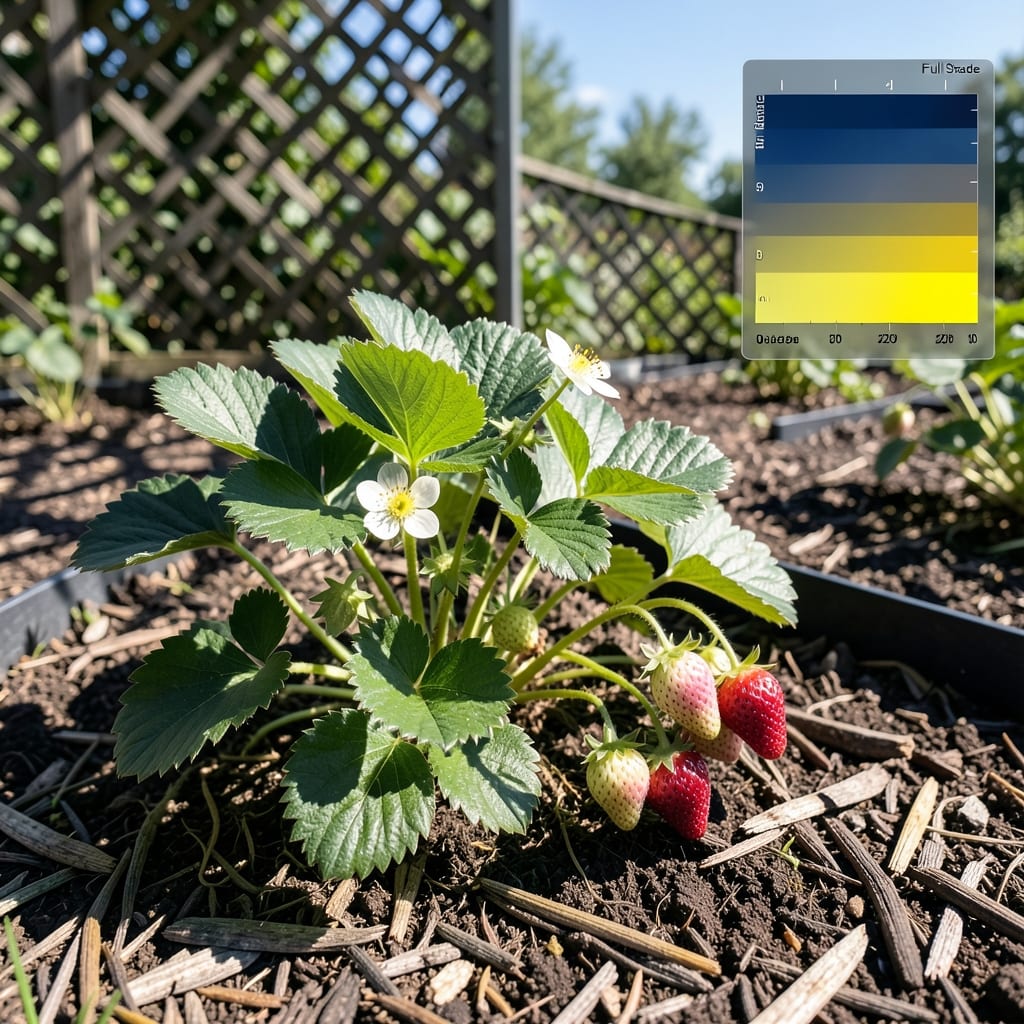
If you've ever grown strawberries only to end up with lush green leaves but tiny, bland berries, you're not alone—how much light does a strawberry plant need is the secret most gardeners miss. These sun-loving plants crave 6-10 hours of direct sunlight daily, but getting it just right makes all the difference between a harvest of juicy, sweet 🍓 and disappointment.
Strawberries in Zone 6a need that golden spring sunshine to thrive, especially during their peak growing months from March through July. Too little light, and your plants will stretch toward any available rays, producing weak stems and poor fruit. Too much, and you risk scorching those delicate leaves before the berries even ripen.
Don’t worry—balancing their light needs isn’t as tricky as it sounds. Whether you’re planting in full sun or adjusting for partial shade, I’ll walk you through exactly what your strawberries need to flourish. You’ll learn how to spot the signs of light stress, when to provide extra shade, and even how to supplement light if your garden falls short.
Ready to turn those leafy greens into a bountiful harvest? Let’s dive into the sunlight secrets that’ll have your strawberries bursting with flavor—no guesswork required.

Strawberry plant sunlight requirements by variety: full sun vs partial shade explained
Strawberries thrive best with 6-10 hours of direct sunlight daily, but not all varieties have the same needs. June-bearing strawberries demand the most light—at least 8 hours—to produce their heavy summer harvest. Meanwhile, everbearing and day-neutral varieties are slightly more flexible, tolerating 6 hours of sun but still rewarding you with bigger berries when given more.
Your local climate plays a huge role too. In coastal regions, where fog and mist reduce sunlight intensity, strawberries often need full sun exposure to compensate. Inland areas with hot summers might require afternoon shade to prevent leaf scorch, especially for June-bearing types that fruit early in the season.
The key is understanding your strawberry type and adjusting sunlight accordingly. June-bearing varieties (like Jewel or Chandler) produce one massive harvest in late spring/early summer, so they need peak sunlight. Everbearing (e.g., Ozark Beauty) and day-neutral (like Seascape) types fruit throughout the season and handle partial shade better.
Here’s how to match your strawberries to their perfect light spot:
| Variety Type | Ideal Sunlight | Notes |
|---|---|---|
| June-bearing | 8-10 hours (full sun) | Best for hot climates; needs afternoon shade in Zone 6a+ |
| Everbearing | 6-8 hours (full sun to partial shade) | Tolerates morning sun + afternoon shade; great for containers |
| Day-neutral | 6-8 hours (flexible) | Produces fruit all season; handles partial shade best |
Seasonal adjustments are critical too. In spring (March-April in Zone 6a), strawberries need full sun to kickstart growth. By summer, if temperatures exceed 90°F, provide 30-50% shade cloth to protect leaves while keeping fruit exposed. In winter, everbearing varieties may still benefit from 4-6 hours of winter sun to keep producing.
Microclimates matter—even within your yard. A south-facing slope gets more intense sunlight than a north-facing bed. If your garden has partial shade (e.g., under fruit trees), opt for day-neutral varieties like Albion or Tristar, which thrive with 4-6 hours of direct light.
Pro tip: Use a sunlight tracker for a week to measure how much light your spot actually gets. Place a white board in the garden—if it’s covered in algae by noon, you’ve got enough sun. If it stays clean, your spot is too shady for strawberries.
Remember, light quality matters too. Direct sunlight (not filtered through leaves) is best for fruiting. If your strawberries are in containers or greenhouses, rotate them weekly so all sides get even light exposure.
Balancing sunlight isn’t just about hours—it’s about timing. Morning sun builds energy, while afternoon sun prevents fungal issues like gray mold. With the right light, your strawberries will reward you with sweeter, larger berries and fewer pests.
Signs your strawberry plants aren’t getting enough (or too much) light
If your strawberry plants are sending up tall, spindly stems with small leaves, they’re begging for more light. This leggy growth happens when strawberries stretch toward any available sunlight, a clear sign of light deficiency. You’ll also notice fewer flowers and tiny, underdeveloped berries—if they even form at all. In extreme cases, the leaves may turn yellowish-green or develop purplish stems as the plant struggles to photosynthesize.
On the flip side, too much direct sunlight—especially in hot afternoons—can cause leaf scorch. Look for brown, crispy edges on leaves or bleached patches where sunlight hits hardest. The berries themselves may ripen unevenly, with some sides turning white or developing sunburnt spots. If you see premature leaf drop or stunted growth despite plenty of water, your strawberries are likely overheating.
Here’s how to diagnose the issue quickly:
Not Enough Light: Pale, stretched leaves, few flowers, small berries, purplish stems (phosphorus deficiency from poor energy production).
Too Much Light: Brown leaf edges, crispy patches, uneven berry ripening, premature leaf drop in hot weather.
Correcting light issues depends on your strawberry type. For June-bearing varieties suffering from light deficiency, move them to a sunnier spot immediately—they can’t tolerate shade well. If the problem is excessive heat, install 30-50% shade cloth during peak afternoon hours (12 PM–4 PM). For everbearing or day-neutral types, partial shade in the hottest months can actually improve fruit quality by slowing sugar loss.
Another red flag? White or gray mold on berries or leaves. While this is often a fungal issue, poor air circulation from overcrowded, shaded plants makes them more vulnerable. Thin out leaves to improve airflow and ensure at least 6 hours of direct light to strengthen plant defenses. If your strawberries are in containers, rotate them weekly to prevent one-sided growth from uneven light exposure.
Pro tip: Check the soil temperature too—strawberries need 60-75°F soil to thrive. If your garden soil stays cool in shade, the plants may struggle to absorb nutrients even with adequate light. Amend the soil with compost to improve warmth retention and root health. With the right light balance, your strawberries will bounce back with vibrant green leaves and plump, flavorful berries in no time.
Remember, light stress is often seasonal. In Zone 6a, winter light is weaker, so move potted strawberries to a south-facing window or under grow lights if they’re still producing. By spring, they’ll be ready to reclaim their sunny spot and reward you with a heavy harvest.