
Light Requirements
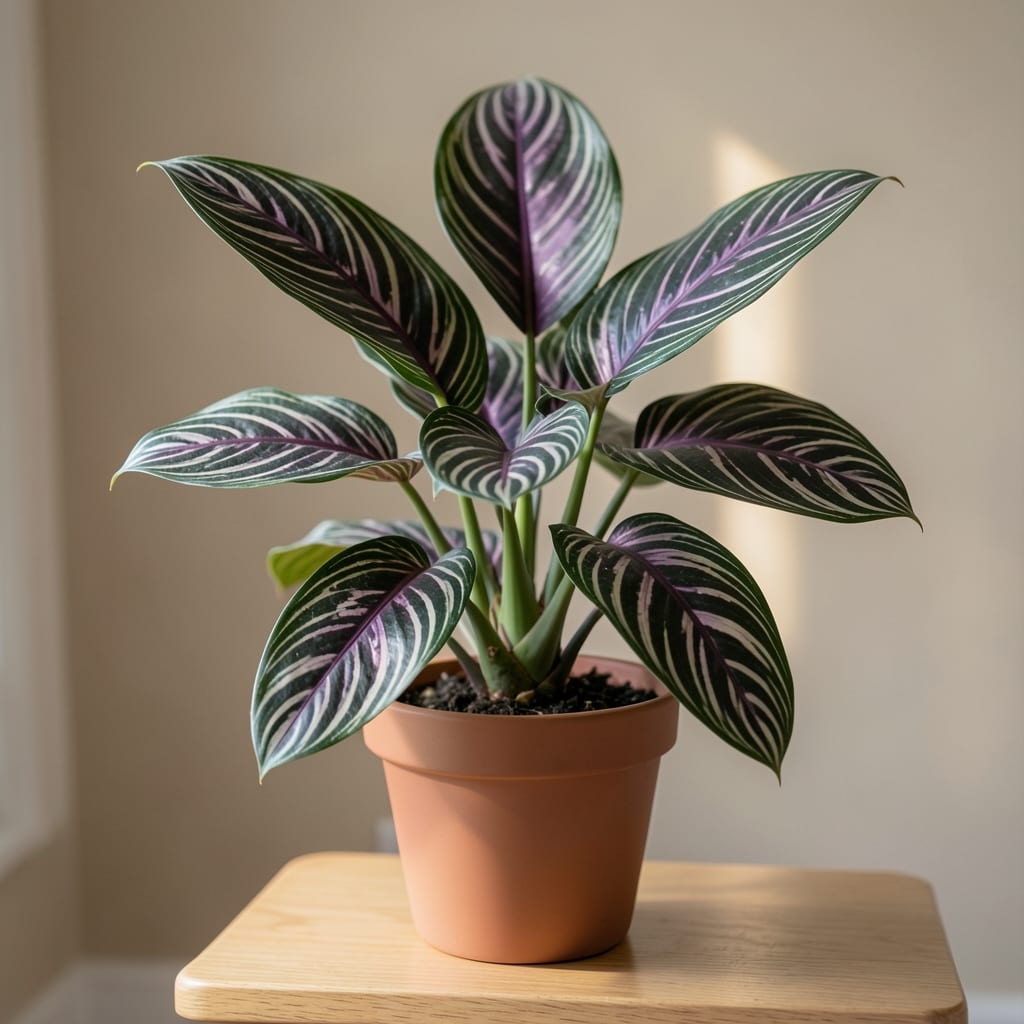
If you’re wondering how much light does a zebra plant need to keep its stunning striped leaves vibrant, you’re not alone—this plant has specific light cravings. Too little, and it fades into a dull, leggy shadow of itself; too much, and those gorgeous patterns burn away like a bad sunburn. The sweet spot? Bright, indirect sunlight for about 3-4 hours daily, which keeps its bold colors vibrant and its growth compact.
Here’s the thing: most people assume houseplants thrive in any old light, but the Zebra Plant is a diva about its lighting. It’s not a fan of harsh midday rays (that’s how you get crispy edges) or dim corners (hello, sad, stretched stems). The key is mimicking its natural habitat—think dappled shade under a canopy, not a spotlight. And yes, that means your west-facing window might be too intense, while a north-facing one could leave it feeling neglected.
What I love about this plant is how it tells you when it’s unhappy. Yellowing leaves? Too much sun. Fading stripes? Not enough. The good news? Fixing these issues is easier than you think—with a few simple adjustments to placement or even a grow light. Let’s break down exactly how to give your Zebra Plant the perfect light setup so it stays as striking as the day you brought it home.
Ready to transform that lackluster houseplant into a showstopper? I’ll walk you through the signs to watch for, the best spots to place it (even if your home isn’t exactly sun-drenched), and how to tweak its care as seasons change. No guesswork—just lush, zebra-striped success.

Optimal light requirements for zebra plant growth: bright, indirect sunlight explained
Your zebra plant (Aphelandra squarrosa) thrives when placed in bright, indirect sunlight for 4-6 hours daily. This tropical beauty naturally grows under the dappled light of rainforest canopies, so direct afternoon sun can scorch its delicate leaves. Think of it like a sunbather—it loves warmth but needs protection from harsh rays.
The key is finding that golden middle ground. A spot near an east-facing window provides perfect morning light without the intense afternoon heat. West-facing windows can work too, but use a sheer curtain to diffuse the light during peak hours (1 PM–5 PM). Remember, your zebra plant’s variegated stripes are its signature—proper light keeps them sharp and vibrant.
Seasonal changes dramatically affect light exposure. During winter months, days are shorter and sunlight weaker, so supplement with a grow light if leaves start stretching toward the window. In summer, when days are long, move your plant slightly farther from the window to prevent leaf burn. Think of this as adjusting its "sunscreen" factor throughout the year.
Artificial lighting can be a game-changer if your home lacks natural light. LED grow lights with a 5000-6500K color temperature mimic natural daylight perfectly. Position the light 6-12 inches above your zebra plant and keep it on for 12-14 hours daily. Avoid placing the light too close—this can cause heat stress and leaf burn. Pro tip: Use a timer to automate light cycles and maintain consistency.
Watch for subtle cues that reveal your plant’s light preferences. If new leaves emerge smaller than usual or with duller stripes, it’s craving more brightness. Conversely, crispy brown edges or white/yellow patches signal too much direct sun. These visual clues are your zebra plant’s way of communicating—listen closely!
Rotating your plant quarter-turn weekly ensures even growth toward the light source. This simple habit prevents your zebra plant from developing a lopsided shape or leaning toward one window. Imagine it like turning a slow-cooker—steady, even exposure yields the best results. Pair this with occasional leaf wipe-downs to remove dust, which blocks light absorption.
For those with south-facing windows, use a sheer curtain to filter the intense midday sun. If your zebra plant is placed more than 6 feet from a window, supplement with a small grow bulb (like a 10W LED). Even in bright rooms, avoid placing it directly in front of glass doors or skylights, where temperature fluctuations can stress the plant.
Remember, your zebra plant’s foliage health is directly tied to light exposure. When happy, its leaves will be bold, upright, and deeply striped. With the right lighting, you’ll enjoy its vibrant display for years—a living work of art that requires minimal effort once you master its light needs. 🌿
Signs your zebra plant isn’t getting enough (or too much) light: quick diagnosis guide
Your zebra plant’s leaves tell a story—one that’s easy to read if you know what to look for. When it’s not getting enough light, the first clue is leggy, stretched stems reaching desperately toward the nearest window. These elongated stems are a classic sign your plant is stretching for sunlight, a survival tactic that weakens its structure and dulls those signature zebra stripes. Think of it like a child craning their neck in a dim room—it’s begging for more brightness.
Next, check the leaf color. Healthy zebra plant leaves should have bold, contrasting stripes of deep green and white. But when light is insufficient, those stripes fade or disappear entirely, leaving you with a sad, uniform green. Even worse, new growth may appear smaller than usual and lack the vibrant contrast that makes this plant so special. This is your zebra plant’s way of whispering, "I’m not thriving here!" 🌱
🌿 Light Issues & Fixes
- Leggy, stretched stems
- Fading or lost stripes
- Small, weak new leaves
- Pale, dull foliage
💡 Fix: Move to brighter spot (east window) or add grow light
- Brown, crispy leaf edges
- White/yellow patches
- Leaf scorch (brown spots)
- Wilted or drooping leaves
☀️ Fix: Move to indirect light or use sheer curtain
On the flip side, too much direct sunlight sends your zebra plant into distress mode. Watch for brown, crispy edges on leaves—this is classic leaf scorch, where sunlight acts like a blowtorch. You might also spot white or yellow patches appearing suddenly, or leaves that feel hot to the touch (yes, really!). These are emergency signals that your plant is sunburned and needs immediate shade relief. If ignored, the damage can spread, turning once-lush leaves into brittle, lifeless husks.
Here’s a pro tip: Rotate your plant weekly by a quarter-turn. This prevents uneven light exposure, which can cause one side to become lopsided or yellowed. Imagine your zebra plant as a sunbathing cat—it needs to turn occasionally to avoid getting a one-sided tan. Pair this with a daily leaf inspection during the first few weeks after moving it to a new spot. This helps you catch early signs of stress before they become irreversible.
Seasonal transitions can also throw your zebra plant off. During winter months, when natural light dims, you might notice slower growth or darker green leaves as it conserves energy. This is normal, but if the leaves start yellowing at the tips, it’s time to supplement with artificial light. Conversely, in summer, when sunlight intensifies, even a previously perfect spot can become too harsh. Move your plant 1-2 feet back from the window and watch for immediate improvement in leaf texture.
One final clue: check the underside of leaves. Healthy zebra plant leaves should have minimal dust and a firm, plump texture. Dusty leaves or those that feel thin and papery often indicate chronic light stress. Wipe leaves gently with a damp microfiber cloth monthly to help them absorb light efficiently. Your zebra plant will reward you with vibrant stripes and robust growth when you pay attention to these subtle cues. 🪴