
Plants
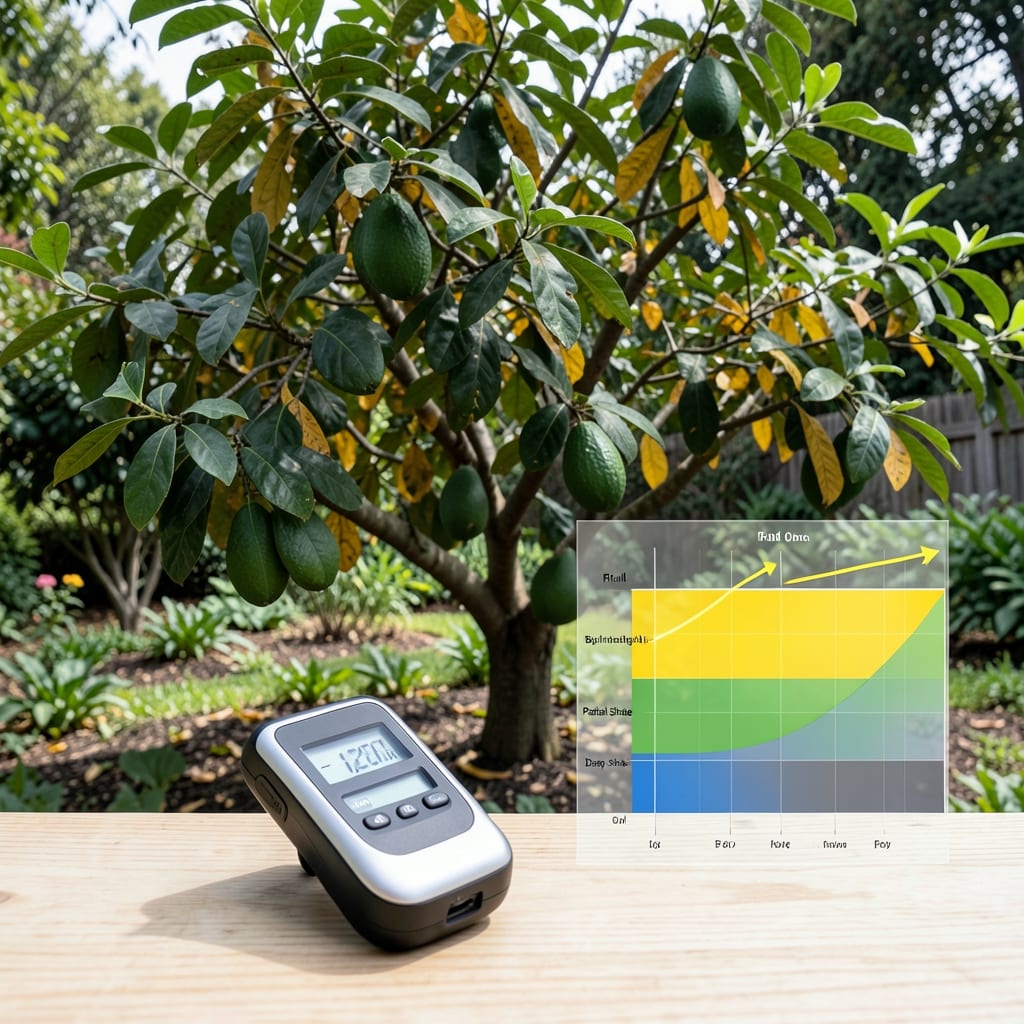
Avocado plant light requirements by growth stage: hours & intensity guide
Avocado plants are sun-worshippers at heart, but their light needs change dramatically from seedling to mature tree. As someone who’s nursed multiple avocado plants through every stage, I’ve learned that underestimating light is the fastest way to stunt growth or trigger leaf burn. Let’s break down the exact light requirements for each growth phase, so you can position your plant for success—whether indoors or outdoors.
The key to thriving avocado plants lies in intensity and duration. While most gardeners focus only on sunlight hours, the angle and strength of light matter just as much. For example, a south-facing window provides stronger, more consistent light than an east-facing one, even if both offer similar hours. This distinction becomes critical when transitioning seedlings outdoors or supplementing indoor light.
Here’s the light blueprint for each growth stage, including how to adjust for indoor vs. outdoor conditions:
| Growth Stage | Optimal Sunlight Hours | Light Intensity | Indoor Adjustments | Outdoor Adjustments |
|---|---|---|---|---|
| Seed Germination | 4–6 hours indirect light | Bright but diffused (e.g., east window) | Use sheer curtain; avoid direct sun | Partial shade (30–50% sun) |
| Seedling (0–6 months) | 6–8 hours direct light | Medium intensity (south window or grow light) | Rotate plant weekly for even growth | Gradual acclimation to full sun (2–3 hours/day) |
| Juvenile (6–24 months) | 8–10 hours full sun | High intensity (direct midday sun) | Supplement with LED grow light (12–14 hrs/day) | Full sun exposure; monitor for leaf scorch |
| Mature Tree (2+ years) | 10–12+ hours full sun | Full sun (tropical climate equivalent) | Not recommended indoors (requires large grow space) | Prune for airflow; avoid afternoon shade |
For seedlings and young plants, I recommend starting with partial shade (30–50% sun) to prevent shock. Avocado seeds are sensitive to intense light early on, and sudden exposure can cause leaf burn or stunted growth. If growing indoors, place your seedling near a south-facing window where it can receive bright, indirect light for 6–8 hours daily.
As your avocado plant matures, its tolerance for direct sunlight increases. By the time it reaches the juvenile stage (6–24 months), it should be receiving 8–10 hours of full sun daily. This is when you’ll notice the most dramatic growth spurts—if your plant isn’t getting enough light, it’ll start stretching toward the sun (a condition called etiolation), with long, weak stems and sparse leaves.
Outdoor avocado plants thrive in USDA Zones 9–11, where they can bask in the sun year-round. However, if you’re growing in cooler climates (Zones 6–8), you’ll need to acclimate your plant gradually. Start by placing it outdoors for 2–3 hours of morning sun, then gradually increase exposure over 1–2 weeks. This slow transition helps prevent sunburn on tender new leaves.
One common mistake I see is assuming that more light is always better. While avocado plants love sunlight, afternoon sun in hot climates (especially in summer) can be too intense. If you notice yellowing leaves or crispy edges, your plant may be experiencing heat stress. In these cases, provide afternoon shade using a sheer curtain or move potted plants to a slightly shadier spot.
For indoor growers, grow lights are a game-changer. A full-spectrum LED grow light placed 12–18 inches above the plant can replicate outdoor conditions. Aim for 12–14 hours of light daily, mimicking the natural photoperiod. If using fluorescent bulbs, opt for cool white or daylight spectrum bulbs, as they provide the blue light avocado plants need for healthy growth.
Pro tip: Pay attention to your plant’s leaf color as a light gauge. Healthy avocado leaves are deep green and glossy. If they turn yellow or pale, it’s a sign of underlighting. Conversely, brown or crispy edges indicate overlighting or dehydration. Adjust your plant’s position accordingly, and don’t forget to rotate it weekly for even growth.
🌱
Signs of overlighting vs underlighting: how to fix common avocado plant problems
Avocado plants are master communicators—they’ll scream for help through their leaves when light conditions are off. As someone who’s rescued countless light-stressed avocados, I’ve learned to read these silent signals like a pro. The key is recognizing whether your plant is begging for more sun or pleading for shade. Let’s decode the visual cues so you can adjust lighting before permanent damage occurs.
First, let’s tackle the underlighting red flags. When your avocado isn’t getting enough light, it’ll start stretching dramatically toward the nearest light source—a condition called etiolation. You’ll notice long, weak stems with spindly growth and small, pale leaves. The plant may also develop yellowing between veins (chlorosis), which is its way of saying, “I need more chlorophyll-producing light!” If left unchecked, the leaves may even drop prematurely, leaving bare stems.
🌱
🌞 UNDERLIGHTING SIGNS & FIXES
Lack of chlorophyll due to insufficient light
South-facing window or supplement with grow light
Plant stretching toward light source (etiolation)
12–14 hours daily with grow lights if needed
🌧️ OVERLIGHTING SIGNS & FIXES
Leaf burn from intense afternoon sun
Sheer curtain or move to indirect light
Transpiration exceeds water uptake in heat
Mist leaves or use pebble tray
On the flip side, overlighting sends equally dramatic warnings. Look for brown or white patches on leaves—these are classic signs of leaf burn. The edges may curl upward, and you might see yellowing between veins (though this can also indicate underlighting, so check other symptoms). In extreme cases, leaves may crisp up and fall off, especially during hot afternoons when sunlight is most intense. Another clue? Your plant might stop growing entirely despite having plenty of water—a sure sign it’s stressed from too much light.
Seasonal changes complicate things further. In winter, when sunlight is weaker, your indoor avocado may suddenly show underlighting symptoms even if it thrived in summer. Conversely, summer’s harsh afternoon sun can turn a previously happy plant into a crispy mess overnight. The solution? Monitor and adjust your plant’s position monthly, especially when daylight hours shift. For indoor plants, rotate them weekly to ensure even light exposure—this prevents the plant from leaning toward one light source and developing uneven growth.
Pro tip: Use your fingers as a light gauge. Hold your hand near the plant’s leaves—if you can’t feel warmth after 30 seconds, the light intensity is likely too low. If your hand feels too hot to leave there, the light is too intense. This simple trick helps you calibrate light conditions without fancy equipment. For outdoor plants, watch the shadow size your avocado casts at midday. If the shadow is smaller than the plant itself, it’s getting too much direct sun.
🪴