
Plants
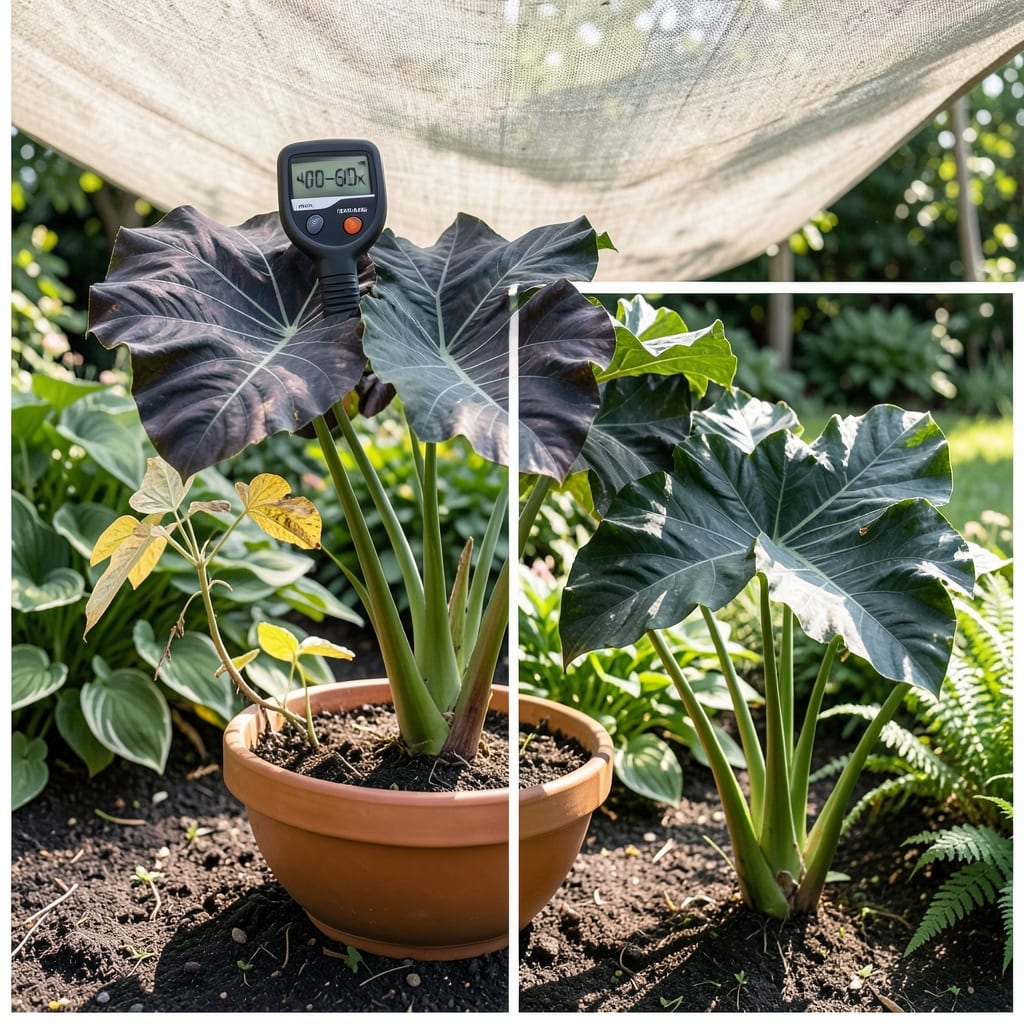
If you're wondering "how much light does an elephant ear plant need", the answer might surprise you—these tropical beauties 🌿 actually prefer partial shade over harsh sun. Too much direct sunlight can scorch their lush leaves, while too little dims their vibrant colors and stunts growth.
Elephant Ear plants thrive in bright, indirect light with just a touch of morning sun. Think of them as the divas of the garden—they love attention but hate being in the spotlight all day. Whether you're planting them in your yard or keeping them in containers, getting this balance right is the key to keeping their foliage bold and healthy.
In USDA Zone 6a, where spring planting kicks off in April, these plants do best in spots that mimic their natural understory habitat. That means avoiding the harsh afternoon rays while still giving them enough light to fuel their dramatic growth. I’ll show you exactly how to position them for success, whether you're working with a shady patio or a sun-dappled garden bed.
Ready to keep your Elephant Ear looking its best? Let’s break down the signs of light stress, the ideal placement tricks, and how to adjust as seasons change. Your plants will thank you with bigger, brighter leaves than ever before!

Understanding elephant ear plant light requirements: partial shade vs. bright indirect sun
Elephant ear plants (Colocasia spp.) thrive in bright indirect light with partial shade, mimicking their natural understory habitat. This means they need 4-6 hours of filtered sunlight daily, ideally from morning sun. Too much direct afternoon sun can scorch their leaves, while deep shade weakens their growth. Understanding this balance is key to keeping their foliage vibrant and healthy.
The ideal light spectrum for elephant ears falls between 30-70% sunlight exposure. They tolerate low light better than full sun, but their growth slows dramatically in dim conditions. In USDA Zone 6a, where I garden, I’ve found that positioning them under dappled sunlight—like near tall trees or on east-facing patios—works best. Their leaves naturally adjust to light levels, changing color slightly based on intensity.
Here’s how to identify the right light conditions for your elephant ears: partial shade means some direct sun but mostly filtered light, while bright indirect light offers more intensity without harsh rays. Think of it like a sun tea steeping—just enough light to warm them up, but not enough to boil over. This balance prevents leaf burn while encouraging lush foliage growth.
| Light Condition | Sunlight Hours | Leaf Response | Best For |
|---|---|---|---|
| Full Shade | <3 hours | Pale, weak growth | Avoid |
| Partial Shade | 3-6 hours | Vibrant, healthy leaves | Ideal |
| Bright Indirect | 6-8 hours filtered | Deep green, glossy | Best growth |
| Full Sun | >8 hours direct | Brown patches, scorch | Avoid afternoons |
Leaf color changes are your best indicator of light stress. Dark green leaves with a glossy finish mean your plant is happy, while yellowing or brown edges signal too much sun. In contrast, pale or dull leaves suggest insufficient light. I’ve noticed that black elephant ear varieties (like 'Black Stem') are slightly more tolerant of brighter conditions, but they still need protection from harsh afternoon rays.
For container-grown elephant ears, place them near east or north-facing windows indoors or under 50% shade cloth outdoors. If you’re in a hotter climate (Zones 8-10), afternoon shade becomes even more critical. I’ve used lattice screens or trellises with climbing plants to create natural shade for my containers, which has kept them thriving all summer long.
Seasonal adjustments are key, too. In spring and fall, when sunlight is gentler, you can give them more direct light (up to 4 hours). But by mid-summer, I move mine to shadier spots or provide afternoon shade to prevent leaf burn. This flexibility ensures they get the right light year-round without stress.
If you’re unsure about your garden’s light conditions, try this quick test: Hold a white sheet of paper near your planting spot at noon. If you can read text clearly on it, the light is too harsh. If the sheet looks completely white, you’ve got the perfect bright indirect light for elephant ears. This simple trick has saved me from overwatering or overshading my plants in the past.
Remember, morning sun is your friend—it’s less intense and helps prevent leaf scorch. Pair this with consistent moisture (their soil should stay damp but not soggy), and you’ll have bold, healthy foliage all season long. With these light guidelines, your elephant ears will reward you with stunning, tropical-looking leaves that turn every garden into a lush paradise.
Signs your elephant ear plant isn’t getting enough (or too much) light
Your elephant ear plant’s leaves speak volumes about its light conditions. Watch for yellowing edges or pale green foliage, which are classic signs of insufficient light. These plants slow their growth dramatically when deprived of adequate brightness, often producing small, weak stems and dull-colored leaves. I’ve seen my own elephant ears stretch toward light sources, a clear indicator they’re craving more brightness. This etiolation (leggy growth) happens when they’re not getting enough light to fuel photosynthesis properly.
On the flip side, brown patches or crispy leaf edges scream too much direct sunlight. These are classic sunburn symptoms that appear as dry, papery areas on the leaves. In extreme cases, the damage spreads inward, turning entire sections brown or black. Last summer, my 'Black Beauty' elephant ear suffered from this after I moved it to a south-facing patio without afternoon shade. The lesson? Morning sun is safe, but afternoon rays are deadly for these tropical divas.
🚨 Light Stress Red Flags
Underwatered (Too Little Light):
- Pale, yellow leaves (chlorosis)
- Stunted growth (leggy stems)
- Dull, limp foliage
Overexposed (Too Much Light):
- Brown, crispy edges (sun scorch)
- Bleached leaf spots
- Premature wilting
💡 Quick Fix:
Move plants to partial shade immediately. For sunburn, trim damaged leaves and provide 50% shade cloth or dappled sunlight.
Another telltale sign is leaf color shifts. Healthy elephant ears maintain their rich, deep hues, whether green, black, or purple. But when light conditions change, their colors become washed out or streaky. For example, my 'Pink Frost' variety lost its signature pink blush when placed in full shade, turning a sad, muddy green. The solution? Gradually acclimate them to brighter conditions over 1-2 weeks to avoid shocking their leaves.
Weak stems and drooping leaves also signal light stress, often accompanied by smaller-than-average foliage. I once had a container-grown elephant ear that barely grew taller than my wrist—until I moved it to a sunny patio with afternoon shade. Within weeks, its leaves doubled in size, and its stems thickened noticeably. This dramatic turnaround proves how light directly impacts their vigor. If your plant looks leggy or sparse, it’s time to reassess its light exposure.
Seasonal changes can also trick you into misjudging light needs. In winter or overcast climates, elephant ears may survive in lower light but won’t thrive. Their growth naturally slows, but they still need bright indirect light to maintain color. I’ve kept mine alive indoors near west-facing windows during winter, though their leaves did turn slightly dull and smaller. For container gardeners, supplement with a grow light 12 inches above the plant for 6-8 hours daily to mimic natural brightness.
Pro tip: Rotate your containers quarter-turns weekly to ensure even light exposure. I learned this trick after noticing one side of my elephant ear’s leaves was darker and healthier than the other—a clear sign it was leaning toward the light. This simple habit prevents uneven growth and keeps foliage symmetrical and vibrant. With these signs in mind, you’ll catch light issues early and keep your elephant ears looking their absolute best all season long.