
Plants
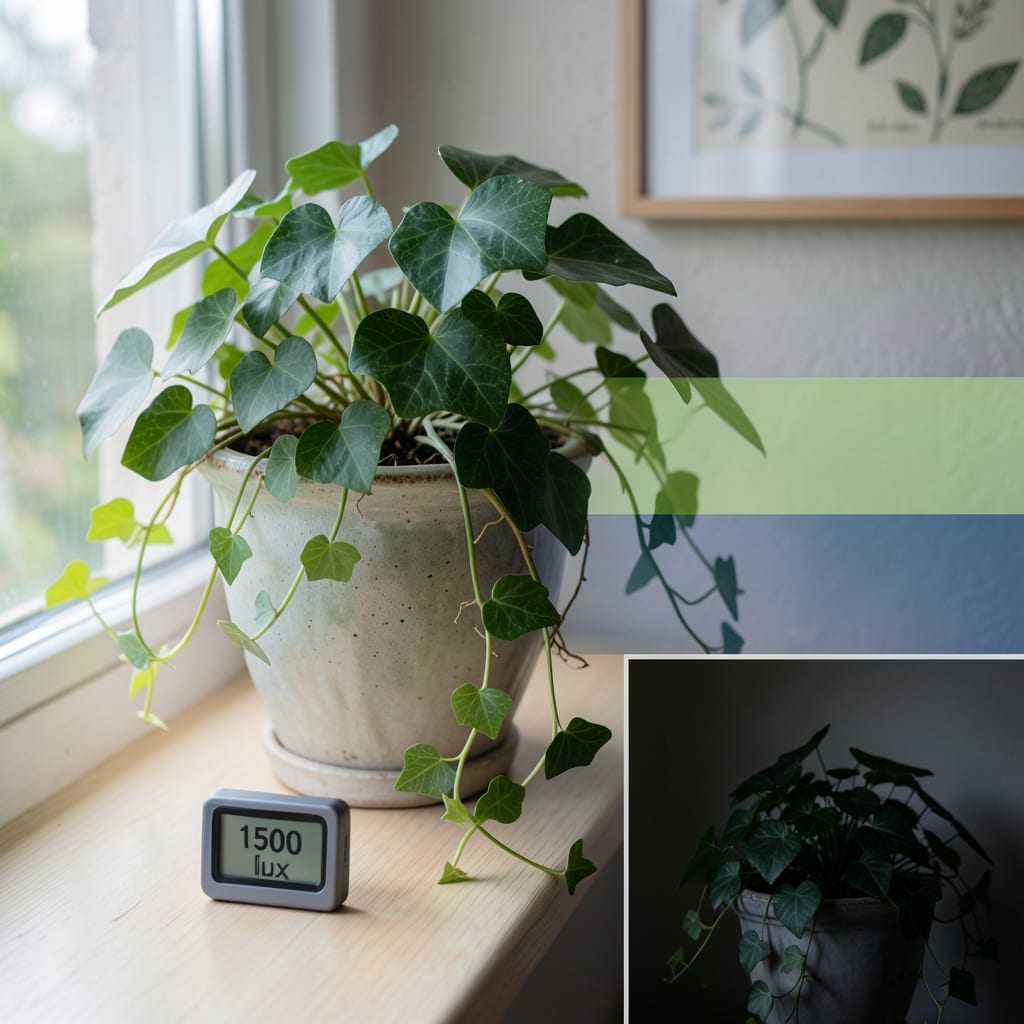
Ivy plant light requirements: finding the perfect balance for growth
Ivy plants are famously adaptable, but their light requirements can make or break their health. Unlike sun-loving succulents, ivy thrives in low to bright indirect light, making it perfect for shady corners or rooms with minimal natural light. The key is understanding how much light ivy needs—too little causes leggy growth, while too much can scorch delicate leaves. Let’s break down the science and practical tips to get your ivy just right.
English ivy (Hedera helix) is a partial shade plant, meaning it prefers 2-6 hours of filtered sunlight daily. This range allows it to perform photosynthesis efficiently without risking leaf burn. In nature, ivy often grows on forest floors or tree canopies, where dappled sunlight filters through leaves. Replicating this environment indoors or outdoors is the secret to keeping your ivy lush and vibrant.
🌱 Did You Know? Ivy’s variegated varieties (like Hedera helix 'Glacier') need slightly more light to maintain their striking patterns, while solid green types are more forgiving. Always match your ivy’s type to its light conditions for the best results.
Ivy’s ability to photosynthesize efficiently in low-light conditions is due to its unique leaf structure. Its broad, waxy leaves capture even diffused light, making it ideal for offices or bathrooms with minimal windows. However, this doesn’t mean you should neglect it—leggy growth (long, sparse stems) is a classic sign of insufficient light. If your ivy starts stretching toward the nearest window, it’s begging for more brightness.
For indoor ivy, position it near a north or east-facing window, where morning sun is gentle and indirect. South or west windows can provide too much harsh afternoon light, especially in summer. If your home lacks natural light, supplement with a grow light (LED or fluorescent) placed 12-18 inches above the plant for 12-14 hours daily. This mimics the filtered light ivy craves in nature.
Outdoor ivy, on the other hand, thrives under dappled shade, such as under large trees or on north-facing walls. Avoid exposing it to direct midday sun, which can cause leaf burn. In containers, rotate the pot every few weeks to ensure even light exposure on all sides, preventing lopsided growth. This simple step keeps your ivy bushy and symmetrical.
One common misconception is that ivy can survive in complete darkness. While it’s tougher than many houseplants, prolonged darkness leads to weak, pale stems and eventual decline. If your ivy is in a dim corner, consider moving it closer to a light source or adding a small LED light to keep it thriving. Even a few hours of indirect light can make a world of difference.
Pro tip: Variegated ivy (like 'Goldheart' or 'Silver Queen') requires slightly more light than solid green types to maintain its striking patterns. Without enough light, the white or yellow variegation fades, leaving you with a dull, all-green plant. If this happens, gradually increase light exposure over 1-2 weeks to avoid shocking the plant.
Finally, remember that ivy’s light needs can shift with the seasons. In winter, when daylight is shorter, supplement with artificial light if you notice slowed growth. Conversely, in summer, watch for signs of stress if you move your indoor ivy outside—sudden exposure to intense sunlight can be overwhelming. Acclimate it slowly to prevent damage.
By mastering these light requirements, you’ll unlock the full potential of your ivy—whether it’s cascading elegantly from a hanging basket or climbing gracefully up a trellis. The key is observation: watch your plant’s leaves and growth patterns, and adjust accordingly. With the right light, your ivy will reward you with lush, vibrant foliage for years to come. 🌿
How to tell if your ivy isn’t getting enough (or too much) light
Spotting light-related issues in your ivy is easier than you think—just watch for leaf color, growth patterns, and stem elongation. Ivy sends clear signals when its light needs aren’t met, and catching these early can save your plant from decline. The most common red flags include yellowing leaves, brown tips, or stems that stretch unnaturally toward light sources. Let’s decode these clues so you can adjust care before permanent damage occurs.
One of the first signs your ivy isn’t getting enough light is leggy growth, where stems grow long and sparse with large gaps between leaves. This happens because the plant stretches toward any available light, a survival tactic that weakens its structure. Pair this with dull, dark green leaves that lose their natural gloss, and you’ve got a classic case of light deprivation. If ignored, these stems become brittle and may snap under their own weight.
🌱 Quick Tip: Rotate your ivy’s pot quarter-turns every week to encourage even growth. This simple trick prevents lopsided stretching toward the nearest light source, keeping your plant fuller and healthier.
- Leggy stems reaching toward light
- Pale or yellow leaves losing variegation
- Slow growth or stunted development
- Large gaps between leaves
- Compact growth with bushy stems
- Glossy, vibrant leaves (green or variegated)
- Steady growth without stretching
- Minimal gaps between leaves
- Brown/yellow spots on leaf edges
- Crispy or curled leaves
- Bleached or faded variegation
- Stunted growth despite bright conditions
On the flip side, too much light causes stress that’s just as easy to spot. Look for brown or yellow patches on leaf edges, a classic sign of sunburn. These spots start small but spread quickly, especially on leaves exposed to harsh afternoon sun. Variegated ivy varieties often show bleached or faded patterns, as the white or yellow sections lose their pigment when over-exposed. If you notice these symptoms, act fast—move your ivy to a shadier spot immediately.
Another telltale sign of over-exposure is leaf curling or thickening, where leaves pucker and become leathery to protect themselves from intense light. This is your ivy’s way of shielding its delicate tissues, but it’s also a cry for relief. Pair this with stunted growth (despite plenty of light), and you’ve got a plant that’s essentially wilting from too much sun. The good news? Ivy recovers quickly when moved to gentler conditions.
For indoor ivy, pay attention to where you place it relative to your windows. A south-facing window can be a death sentence in summer, while a north-facing window provides perfect, gentle light year-round. If your ivy is near a window but still struggling, try moving it 6-12 inches farther back—this often makes the difference between thriving and struggling. For outdoor ivy, watch for midday sun exposure, which is the most damaging. Provide afternoon shade with a sheer curtain or by positioning it under a tree canopy.
One often-overlooked clue is how your ivy’s leaves feel. Healthy ivy leaves should be firm and slightly leathery to the touch. If they feel soft or mushy, it could signal overwatering combined with too much light (a double whammy for ivy). Conversely, leaves that feel dry or crispy along the edges are screaming for more humidity or less direct sun. Always check the underside of leaves for signs of stress—this is where early symptoms often appear.
Pro tip: Keep a light journal for your ivy by noting its location, growth patterns, and any changes in leaf color weekly. This helps you spot trends, like how your ivy reacts to seasonal light shifts. For example, you might notice leggy growth in winter (due to shorter days) or sunburn in summer (from increased UV). Armed with this knowledge, you’ll become a light expert for your ivy, adjusting its environment before problems arise. With these clues in hand, your ivy will stay lush, vibrant, and full of life. 🌿