
Light Requirements
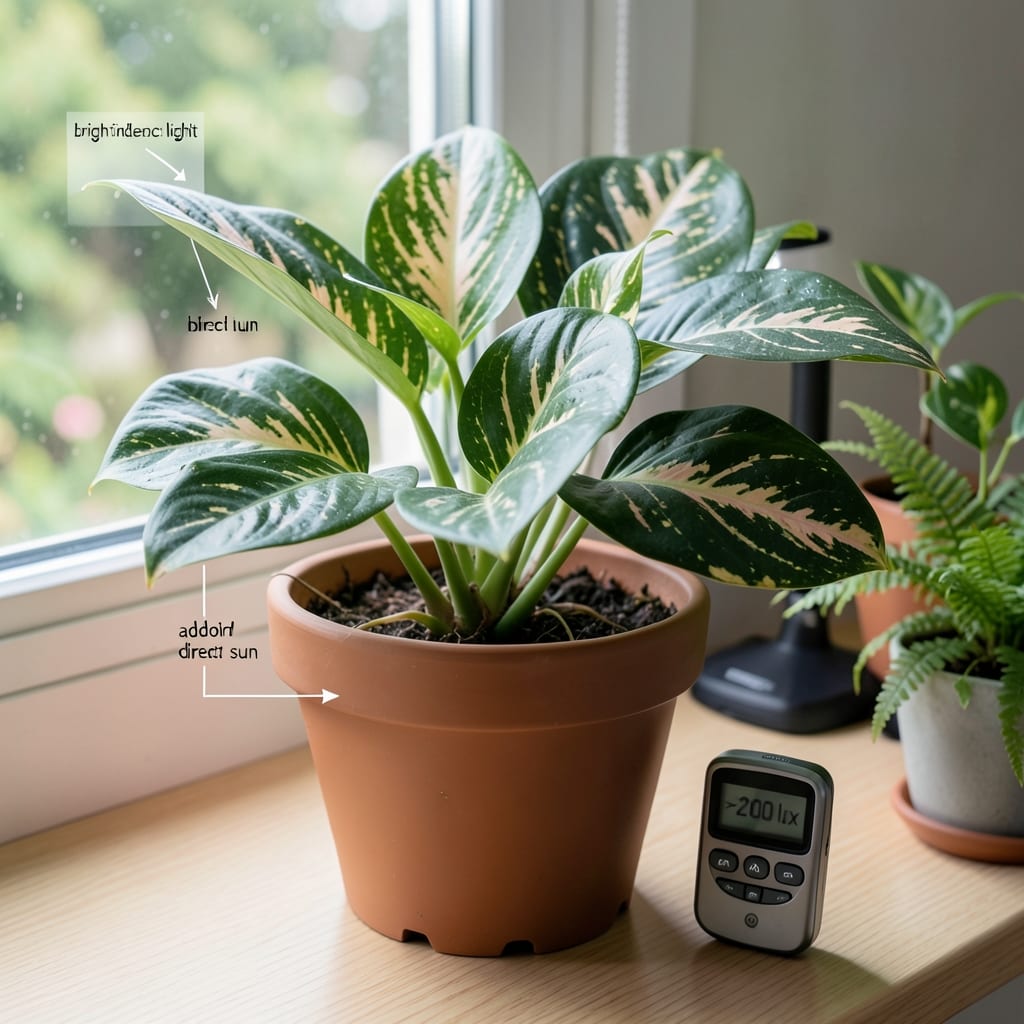
Optimal light requirements for arrowhead plants: bright indirect sunlight explained
The arrowhead plant (Syngonium podophyllum) thrives in bright indirect sunlight, making it perfect for indoor growers with limited direct sun exposure. Unlike sun-loving succulents, this tropical beauty needs 1,000–2,500 foot-candles of light daily to maintain its signature arrow-shaped leaves and vibrant variegation. Too little light leads to weak, pale growth, while too much causes crispy brown edges—balancing act included!
For ideal placement, position your arrowhead plant within 3–5 feet of an east-facing window, where morning sun is gentle. West-facing windows work too but require sheer curtains to diffuse harsh afternoon rays. South-facing windows? Only if you’re willing to rotate the plant weekly to prevent sunburn on one side.
In low-light conditions, like a north-facing room, your arrowhead plant will survive but grow leggy (stretched stems) and lose its striking foliage patterns. This is your plant’s way of begging for more light—don’t ignore those reaching vines! A simple DIY light test can confirm if your space is too dim: hold a piece of paper near the plant. If you can’t read it easily, it’s time to move closer to a window or add a grow light.
Seasonal adjustments are key, especially in winter when daylight shrinks. If your arrowhead plant starts looking sad by December, supplement with a 12–14 hour grow light (LED bulbs are energy-efficient and mimic sunlight). Aim for 6–8 hours of artificial light daily to keep growth steady. Pro tip: Place the light 12–18 inches above the plant to avoid overheating the leaves.
🌱 Arrowhead Plant Light Requirements Summary
| Requirement | Specification |
|---|---|
| Light Type | Bright indirect sunlight |
| Foot-Candles | 1,000–2,500 |
| Best Window Placement | East or north-facing, 3–5 ft away |
| Direct Sun Tolerance | Morning sun only (max 2 hours) |
| Low-Light Survival | Yes, but leggy growth |
| Grow Light Needs | 12–14 hours/day in winter |
Outdoor growers can enjoy arrowhead plants on patios or shaded balconies, but avoid placing them in full sun—even tropical plants have limits! If you notice yellowing leaves or crispy edges after moving your plant outside, it’s a clear sign of sunburn. Gradually acclimate your arrowhead to outdoor conditions by starting with 1–2 hours of morning sun and slowly increasing exposure over 2 weeks.
Variegated arrowhead plants, like the 'White Butterfly' variety, are even more sensitive to light. Their white or pink foliage needs extra light to maintain vibrancy—think of it as a natural sunscreen for the plant. Without enough light, those stunning patterns fade to green, and the plant loses its showstopper appeal. Rotate your plant quarter-turns weekly to ensure even growth and prevent lopsided development.
For urban gardeners with limited natural light, a full-spectrum LED grow light is a game-changer. Brands like Spectrum or Mars Hydro offer affordable options that fit snugly on shelves. Place the light 12–18 inches above the plant and set a timer for 12–14 hours daily to mimic a long summer day. This setup works year-round, especially in apartments with no sunny windows.
Remember, consistency is key. Arrowhead plants adapt to their light conditions over time, but sudden changes—like moving from a bright window to a dark corner—can shock the plant. If you’re rearranging your space, introduce changes gradually (over 1–2 weeks) to avoid stress. Watch for new leaf growth as your plant’s way of thanking you for the perfect light balance!
🌿 Now that you’ve mastered the light, your arrowhead plant is on its way to becoming a lush, leafy showpiece—just don’t forget to water it properly next!
Signs your arrowhead plant isn’t getting the right light (and how to fix it)
Your arrowhead plant communicates light needs through its leaves—pay attention to these visual cues. If the foliage turns yellow or develops brown crispy edges, it’s likely getting too much direct sun. Conversely, pale green leaves and long, leggy stems signal it’s begging for more light. These aren’t just cosmetic issues; they’re survival signals your plant can’t ignore.
One of the most common mistakes is placing arrowhead plants near south-facing windows, where intense afternoon sun causes sunburn. Look for white or brown patches on leaves—these are your plant’s way of saying, “Too hot!” Move it back 6–12 inches from the window or add a sheer curtain to diffuse the light. Variegated varieties, like 'Pink Butterfly', are especially sensitive—their white or pink patterns fade to green when light-starved.
🌱 Quick Fix: Rotate your plant quarter-turns weekly to ensure even light exposure. This prevents lopsided growth and helps the plant adjust gradually to its environment. If you notice new leaves growing smaller than the old ones, it’s a clear sign of insufficient light. Don’t panic—this is reversible with a few simple adjustments.
⚠️ Lighting Problems & Solutions
- Pale green leaves
- Leggy, stretched stems
- Small, sparse new growth
- Brown, crispy leaf edges
- Yellowing between veins
- Bleached or faded variegation
If your arrowhead plant’s leaves start drooping or feel soft to the touch, it might be overwatered and underlit—a double whammy. Check the soil first: if it’s soggy, let it dry out before adjusting light. Once you’ve ruled out water issues, focus on light. A DIY light test can help: hold a piece of paper near the plant. If you can’t read it easily, your space is too dim. For urban apartments with no natural light, a 12–14 hour LED grow light (like Spectrum or Mars Hydro) is a lifesaver.
For outdoor arrowhead plants, seasonal changes can trick your plant into thinking it’s time to hibernate. In winter, when daylight drops below 10 hours, supplement with artificial light to maintain growth. Place the light 12–18 inches above the plant and set a timer for 6–8 hours daily. This mimics a long summer day and keeps your plant thriving even when natural light is scarce.
Pro tip: Observe leaf color as your plant’s report card. Healthy arrowhead leaves are deep green with vibrant patterns (if variegated). If you see red or purple tinges on the undersides, it’s another sign of low light. These aren’t just aesthetic concerns—they’re your plant’s way of telling you it’s stressed. Address the issue quickly, and you’ll see new growth within 2–4 weeks.
🌿 Remember: Arrowhead plants are forgiving but not indestructible. Act on these signs early, and your plant will reward you with lush, vibrant foliage for years to come. Next up: let’s tackle the best lighting setups to keep your arrowhead plant thriving year-round!