
How To
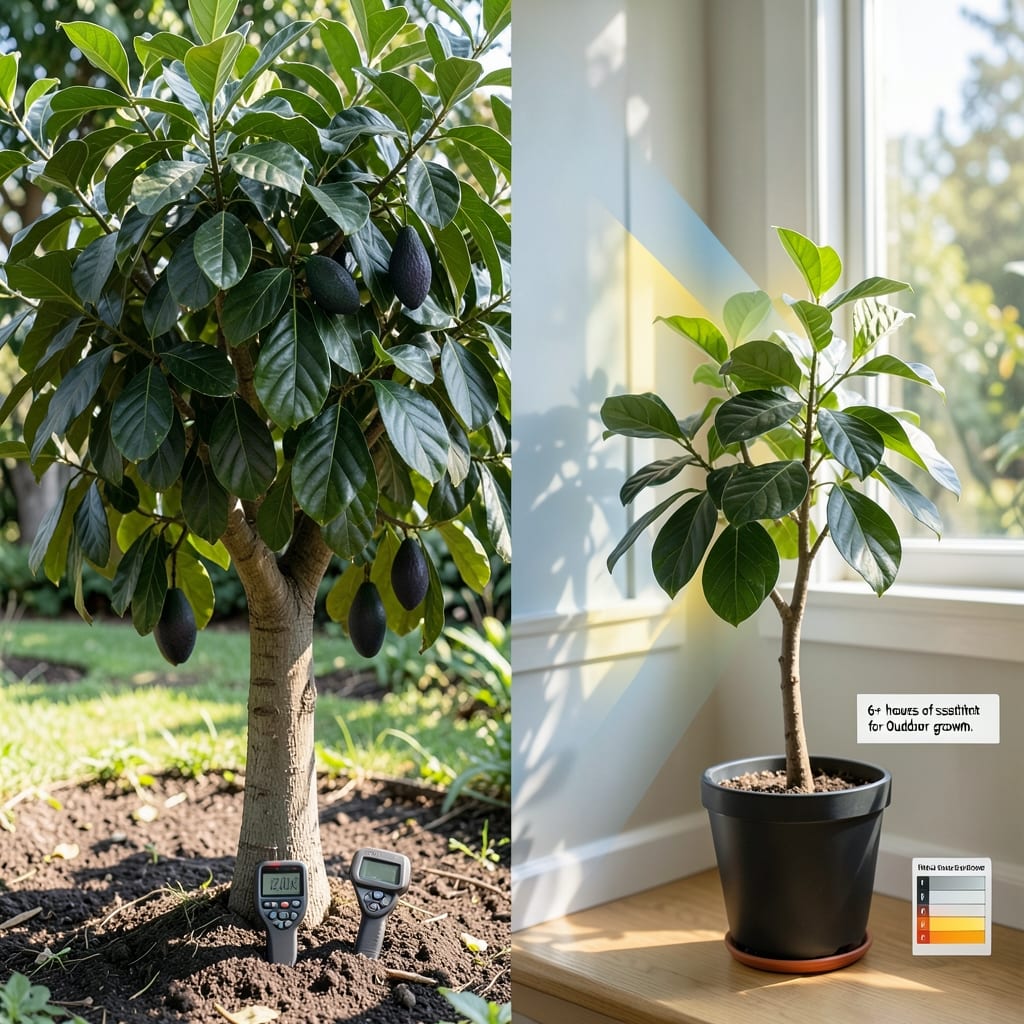
How much light does an avocado plant need? The answer might surprise you—it’s not just about throwing it in the sun. Too little, and your 🥑 plant will stretch pitifully toward the window; too much, and those glossy leaves will crisp like toast. Balancing light is the key to lush growth and even fruit production, whether you're nurturing a seedling or a mature tree.
Avocados crave bright, indirect light for most of the day, but direct afternoon sun can scorch their delicate leaves. If you’re growing yours indoors, a south-facing window or a grow light setup is your best bet—think of it as giving your plant a sunbath without the risk of sunburn. Outdoor plants thrive in 6-8 hours of sunlight daily, but they’ll reward you with stronger stems and healthier foliage.
Here’s the game-changer: young avocado plants need gentler light to avoid stress, while mature trees can handle more intensity. I’ll walk you through how to spot signs of light trouble—yellowing leaves, slow growth, or leaf drop—and how to adjust care to keep your plant thriving. Let’s get your avocado the perfect glow.
From seedling to fruit-bearing tree, light is the foundation of healthy growth. Whether you’re troubleshooting a leggy plant or optimizing an outdoor grove, these tips will help you avoid common mistakes. Ready to transform your avocado’s future? Let’s dive in.

Optimal sunlight requirements for avocado plants by growth stage
Avocado plants are sun worshippers, but their light needs change dramatically as they grow. A seedling in a sunny windowsill has completely different requirements than a mature fruit-bearing tree standing 20 feet tall. Understanding these stages will help you avoid common pitfalls like leaf scorch or stunted growth. Let’s break down the sunlight rules for each phase of your avocado’s life.
For young seedlings (first 6-12 months), aim for 4-6 hours of bright, indirect light daily. Direct sun can overwhelm their tender leaves, causing sunburn. Place them near an east-facing window or under a sheer curtain if using a south-facing window. If your seedling starts stretching toward the light with long, thin stems, it’s begging for more brightness—but not harsh midday rays.
Once your avocado reaches the juvenile stage (1-3 years old), it can handle 6-8 hours of direct sunlight. This is when you’ll notice those iconic glossy, dark green leaves developing. Outdoor plants thrive in full sun, but provide afternoon shade during peak summer months (12 PM–4 PM) to prevent leaf crisping. A simple shade cloth or partial dappled shade under larger trees works perfectly.
Mature avocado trees (3+ years) are the most sun-hungry of all. They need 8+ hours of direct sunlight daily to produce fruit and maintain strong structural growth. If you’re growing outdoors in USDA Zones 9-11, they’ll love the intense Mediterranean sun. In cooler zones (like Zone 8 or below), consider container growing so you can move the tree to a sunny patio in summer and protect it from frost.
Here’s a pro tip: avocados are tropical plants, so they thrive in consistent warmth. If your plant is indoors, keep it near a south- or west-facing window where it gets the most light. In winter, supplement with a grow light if natural light drops below 4 hours daily. I’ve seen avocado trees double their growth rate with just 12 hours of combined natural and artificial light during short days.
| Growth Stage | Sunlight Needs | Key Adjustments | Signs of Stress |
|---|---|---|---|
| Seedling (0-6 months) | 4-6 hours indirect light | East-facing window or sheer curtain | Leggy stems, pale leaves |
| Juvenile (1-3 years) | 6-8 hours direct sun | Afternoon shade in summer | Brown leaf edges, slow growth |
| Mature (3+ years) | 8+ hours full sun | Move to patio in cooler climates | Leaf scorch, fruit drop |
One mistake I see often is overestimating indoor light. Many gardeners assume a sunny window is enough, but most homes don’t get the intensity avocados crave. Test your plant’s light by holding a piece of paper near it—if you can read the print easily, it’s not bright enough. For indoor plants, rotate them quarter-turns weekly so all sides get even light exposure.
Outdoor avocados also need seasonal adjustments. In spring and fall, they’ll thrive in full sun, but during summer’s peak heat (especially in desert climates), provide 2-4 hours of afternoon shade. I’ve used reflective mulch or white-washed pots to bounce extra light onto the base of the plant, which boosts root health. Even a light-colored wall behind your avocado can increase light availability by 20%.
Finally, remember that container-grown avocados dry out faster and need more frequent light checks. If your plant’s leaves start curling inward or developing yellow patches, it’s often a sign of light stress combined with inconsistent watering. Keep a light meter handy (or use a free app) to track foot-candles—ideal levels are 2,000-5,000 foot-candles for healthy growth.
With the right light balance, your avocado will reward you with vibrant foliage and eventually, creamy, delicious fruit. Start by matching your plant’s stage to the sunlight rules above, then tweak as you observe its response. Your avocado’s future depends on getting this right—so don’t rush the process! 🌱
Signs your avocado plant has too much or too little sunlight
Your avocado plant’s leaves tell a story—one that reveals whether it’s basking in perfect light or struggling under too much (or too little) sun. Leaf scorch, yellowing, or sudden wilting are all red flags that demand attention. The key is learning to read these signals early, before the damage becomes permanent. Let’s decode the most common visual clues and how to fix them.
When your avocado gets too much direct sunlight, its leaves develop crispy brown edges that look like they’ve been singed. This is classic sunburn, and it often starts on the outer leaves first. You might also notice yellow patches between the veins, a sign the plant is overheating. If left unchecked, the leaves will curl inward and eventually drop. The fix? Move your plant to a spot with filtered sunlight or provide afternoon shade during peak hours (12 PM–4 PM). A sheer curtain or shade cloth works wonders.
On the flip side, too little light causes avocado plants to stretch dramatically toward the nearest window—a condition called etiolation. You’ll see long, weak stems with pale, sparse leaves that look almost translucent. This is your plant’s way of reaching for more light, but it weakens the structure and makes the plant prone to falling over. If you spot these signs, relocate your avocado to a brighter spot or supplement with a grow light. Rotate the pot weekly so all sides grow evenly.
⚠️ Warning: Common Light Mistakes
Placing avocados in harsh afternoon sun without acclimation can kill them in days. Even indoor plants suffer when moved abruptly from dim corners to bright windows—this causes light shock, leading to sudden leaf drop. Always adjust light exposure gradually, over 1-2 weeks.
Another mistake? Assuming all windows are equal. North-facing windows provide gentle light but rarely enough for avocados. South-facing windows are ideal, but even there, direct midday rays can scorch leaves. Use a light meter to check foot-candles—aim for 3,000-5,000 for mature plants.
Even subtle changes in light can stress your avocado. For example, if you move your plant from a covered patio to a full-sun garden spot without easing it in, you’ll see sudden wilting within days. To prevent this, harden off your plant by exposing it to increasing sunlight over 7–10 days. Start with just 1 hour of direct sun and gradually increase to full exposure. This mimics natural conditions and reduces shock.
Outdoor avocados also show stress during seasonal transitions. In late summer, when days shorten, you might notice dull, yellowing leaves—a sign the plant isn’t getting enough light to sustain photosynthesis. At this stage, prune back leggy growth and focus on keeping the remaining leaves healthy. If your plant is in a container, consider moving it to a sunnier location or using a reflective surface (like a white wall) to bounce extra light onto the foliage.
Pro tip: Pay attention to new growth. Healthy avocado leaves should be dark green, glossy, and firm. If new leaves are smaller than usual or lighter in color, it’s a sign of light deficiency. Conversely, if they’re thinner and crispy, your plant is getting too much intensity. Adjust accordingly—your avocado’s future depends on these small details. With the right light balance, you’ll see rapid, vibrant growth and a plant that’s ready to thrive. 🌿