
Light Requirements
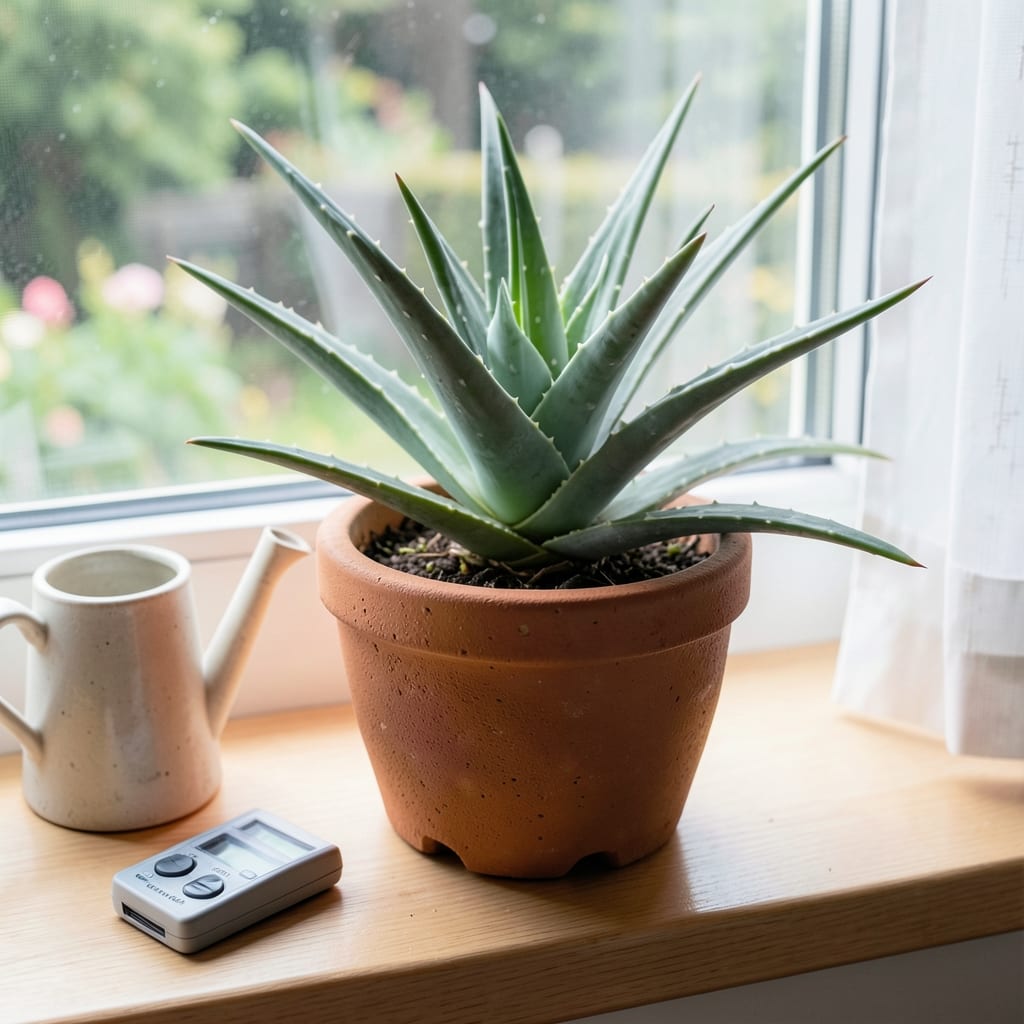
If your aloe vera 🌱 plant is struggling to thrive, you might be getting the lighting all wrong. This hardy succulent needs just the right balance—too little light and it stretches out weakly, too much and it burns. The key to keeping your plant lush and healthy lies in understanding its ideal light conditions, whether you're growing it indoors or outdoors.
Most people assume aloe vera loves full sun, but the truth is more nuanced. While it can handle bright indirect light, direct midday rays—especially in hot climates—can scorch its leaves. I’ll show you how to spot the signs of light stress and adjust your setup for year-round success, whether you’re dealing with a sunny windowsill or a shady corner.
Think you’ve got the perfect spot? Let me save you from common mistakes like placing your plant too close to a west-facing window or assuming artificial light will cut it. You’ll learn exactly how many hours of light your aloe vera needs, plus seasonal tweaks to keep it growing strong through winter’s shorter days.
By the end, you’ll have a clear plan to give your aloe vera the ideal light it craves—no guesswork, just vibrant, healthy growth. Ready to transform your plant’s future?

Optimal light requirements for aloe vera growth: bright indirect sunlight explained
Aloe vera plants thrive in bright indirect sunlight, but their exact needs depend on your climate and growing conditions. In general, they require 6 to 8 hours of light daily, but direct midday sun—especially in hot climates—can scorch their leaves. The key is finding that sweet spot where they get plenty of light without burning.
If you're growing aloe vera indoors, a south-facing window is ideal because it provides the most consistent light throughout the day. East or west-facing windows can work too, but you may need to rotate your plant periodically to ensure even growth. For outdoor plants, partial shade during peak afternoon hours helps prevent sun damage.
Here’s how to tell if your aloe vera isn’t getting enough light: its leaves will stretch out and become pale or yellowish, a condition called etiolation. On the flip side, too much intense light causes brown or crispy patches on the leaf edges. Both issues are fixable with simple adjustments to your plant’s placement.
Seasonal changes also play a role. In winter, when daylight is shorter, you might need to supplement with a grow light for 4-6 hours a day. During summer, provide afternoon shade if your aloe vera is outdoors, especially in regions with intense sunlight like the desert Southwest.
Now, let’s break down the ideal light conditions in a quick-reference table to help you visualize the perfect setup for your aloe vera’s growth.
| Light Condition | Ideal Hours | Signs of Correct Light |
|---|---|---|
| Bright Indirect Light | 6-8 hours | Thick, green leaves; upright growth |
| Direct Morning Sun | 2-4 hours | Healthy color; minimal stress |
| Full Sun (Outdoor) | 4-6 hours (with afternoon shade) | Deep green leaves; sturdy stems |
| Low Light (Indoor) | Less than 4 hours | Stretched, pale leaves; weak growth |
| Direct Midday Sun | Avoid | Brown or crispy leaf edges |
For indoor growers, placing your aloe vera within 3 feet of a south-facing window ensures it gets the bright indirect light it craves. If you notice the leaves leaning toward the light, rotate the pot a quarter turn every few weeks to encourage even growth. This simple trick prevents your plant from becoming lopsided and ensures all sides get equal exposure.
Outdoor aloe vera plants in USDA Zone 6a or warmer can handle more direct sunlight, but always provide afternoon shade during the hottest months. In cooler climates, like Zone 5, they’ll appreciate a mix of morning sun and afternoon shade to prevent leaf burn. Pay attention to your local climate—if summers are scorching, a sheer curtain or shade cloth can work wonders.
One of the most common mistakes is assuming that more sunlight is always better. While aloe vera is a sun-loving plant, intense midday rays can cause irreversible damage. If you live in a hot, dry area, watering more frequently isn’t the solution—adjusting light exposure is. Move your plant to a spot with dappled shade or use a light-colored curtain to diffuse the sunlight.
To keep your aloe vera thriving year-round, monitor its leaves regularly. Healthy aloe vera leaves should be thick, vibrant green, and upright. If you spot any of the warning signs mentioned earlier, act quickly to adjust the light conditions. With the right balance, your aloe vera will reward you with lush, robust growth and those prized medicinal leaves.
Optimal light requirements for aloe vera growth: bright indirect sunlight explained
Aloe vera thrives on bright indirect sunlight—about 6 to 8 hours daily. This succulent can tolerate some direct sun, but intense midday rays, especially in hot climates, can scorch its leaves. Think of it like a sunbather: it loves warmth but needs shade during peak hours to avoid burning.
In cooler climates, aloe vera can handle morning sun and afternoon shade. However, if you're in a hot, arid region, even morning sun might be too harsh. The key is observing your plant’s reaction—if leaves turn yellow or develop brown patches, it’s getting too much direct light.
For indoor growers, a south-facing window is ideal, providing gentle, filtered light. East or west windows work too, but you may need to rotate your plant every few weeks to ensure even growth. If your space lacks natural light, supplement with a grow light for 12-14 hours daily.
| Light Condition | Hours Needed | Ideal Placement | Signs of Stress |
|---|---|---|---|
| Bright Indirect Light | 6-8 hours | South-facing window or 3-5 feet away | Stretched, pale leaves |
| Direct Sun (Cooler Climates) | 4-6 hours (morning only) | Outdoor garden with afternoon shade | Brown, crispy leaf edges |
| Low Light (Indoors) | 2-4 hours (supplemented) | Near a grow light or north-facing window | Leggy, weak stems |
Seasonal changes also affect your aloe vera’s light needs. In winter, shorter days mean you may need to supplement with artificial light or move your plant closer to a window. Conversely, during summer, provide afternoon shade if your plant starts showing signs of sunburn.
Pro tip: Rotate your plant every 2-4 weeks to prevent it from leaning toward the light source. This ensures even growth and keeps those iconic aloe vera rosettes symmetrical. If you notice your plant stretching toward the light, it’s begging for more brightness—time to adjust its spot!
Remember, aloe vera is resilient, but it won’t thrive in dim corners or harsh, unfiltered sunlight. Strike that balance, and you’ll reward yourself with a healthy, vibrant plant that’s ready to heal cuts and soothe burns—nature’s little miracle worker! 🌿