
Light Requirements
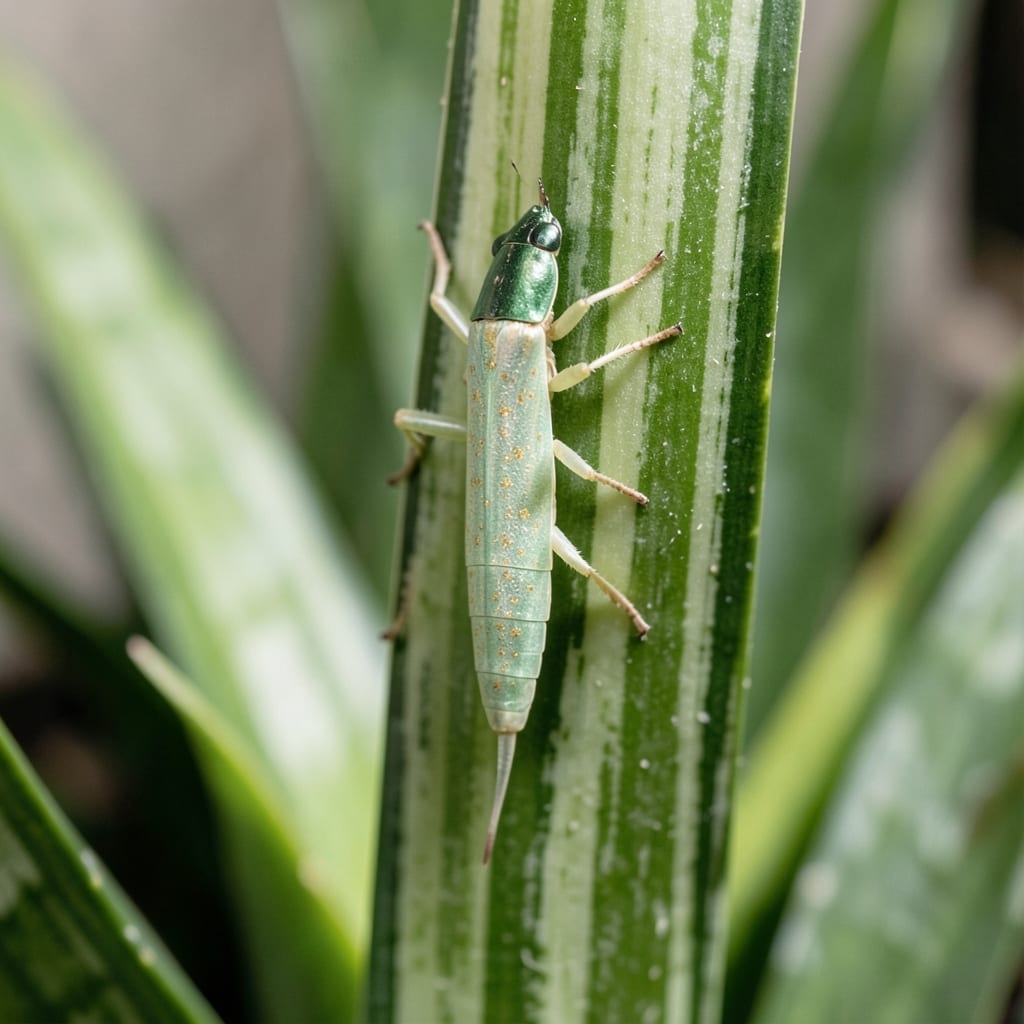
If your snake plant 🌱 is struggling to stay alive, the issue might be simpler than you think—it could just need the right amount of light. These hardy plants are famous for surviving in low-light conditions, but they actually thrive when given the perfect balance of brightness.
I’ve watched my own snake plant transform from a sad, leggy specimen to a lush, upright beauty just by tweaking its light exposure. The key isn’t overcomplicating things—it’s about understanding how much light your plant truly craves, whether you’re growing it indoors or outdoors in Zone 6.
In this guide, I’ll break down exactly how much light your snake plant needs to stay healthy, from dim corners to sunny spots. You’ll learn how to spot signs of too much or too little light and how to adjust its placement for year-round success—no green thumb required.
Let’s get your snake plant 🌱 looking its best with just the right amount of light—because once you nail this, your plant will thank you with vibrant growth and fewer brown tips.

Ideal light requirements for snake plants: low to bright indirect sunlight explained
Snake plants (Sansevieria) are famous for thriving in low-light conditions, but they actually perform best with bright, indirect sunlight. Most people underestimate how much light these plants can handle—too little causes leggy growth, while too much can scorch their leaves. The sweet spot? 2-4 hours of morning sun or bright indirect light all day.
I’ve seen snake plants in offices with fluorescent lighting survive just fine, but they’ll grow taller and thinner without enough natural light. If you’re growing yours outdoors in Zone 6, they can handle partial shade during the hottest months (June–August) to prevent sunburn.
Here’s the key: Snake plants tolerate low light but thrive in moderate to bright indirect light. The difference between survival and flourishing often comes down to how much light they receive daily. Let’s break down the ideal conditions to keep your plant healthy and vibrant.
| Light Condition | Daily Exposure | Growth Impact | Best For |
|---|---|---|---|
| Low Light | 0-2 hours indirect | Survives but grows tall and thin | Offices, dim corners |
| Moderate Light | 2-4 hours indirect | Healthy, compact growth | Kitchens, east-facing windows |
| Bright Indirect | 4+ hours filtered light | Vibrant, bushy foliage | Living rooms, south-facing windows (with sheer curtain) |
| Direct Sun | Morning sun only (1-2 hrs) | Risk of brown patches | Outdoor containers (spring/fall) |
One common misconception is that snake plants can handle direct sunlight all day, but this often leads to leaf scorch or yellowing tips. If you’re placing yours near a south-facing window, use a sheer curtain to diffuse the light. I’ve noticed my snake plants develop darker green leaves when they get more light, which is a great visual indicator they’re happy.
Outdoors, snake plants can adapt to partial shade during summer, but they’ll appreciate morning sunlight for a few hours. In Zone 6, you can move them outside after the last frost (mid-May) and bring them back in before the first frost (mid-October). Just avoid placing them in hot afternoon sun, which can cause stress.
If you’re unsure whether your space is too dark, try this test: Hold your hand near the plant. If you can’t see a clear shadow, the light is likely too low. Snake plants are forgiving, but they’ll always grow better with more natural light. Even a grow light for 6-8 hours a day can make a huge difference in indoor spaces.
Remember, the goal isn’t to give your snake plant the most light possible—it’s about finding the right balance for its location. Too little light slows growth, while too much can damage the leaves. With the right exposure, your snake plant will reward you with bold, upright foliage and minimal care demands.
Next, we’ll cover how to spot when your snake plant isn’t getting the right light—and how to fix it quickly before damage sets in. 🌱
Signs your snake plant isn’t getting the right light (and how to fix it)
Your snake plant 🌱 might be silently screaming for help if its light conditions are off. One of the first signs of underlighting is leggy, stretched-out growth. When snake plants don’t get enough light, they stretch toward any available source, creating a weak, spindly appearance. I’ve seen this happen in dim offices where the plant looks like it’s reaching for the ceiling—definitely not the upright, sturdy look we love.
Another red flag is pale or yellowing leaves. If your snake plant’s foliage starts looking washed out or develops yellow tips, it’s often a sign of too little light. The leaves may also appear softer and less rigid than usual. In my experience, these changes happen gradually, so it’s easy to miss until the plant looks noticeably unhealthy.
On the flip side, too much direct sunlight can cause brown or crispy patches on the leaves. These spots start as small, dry areas and can quickly spread if the plant is exposed to harsh afternoon sun. I once placed my snake plant too close to a south-facing window without a curtain, and within weeks, the leaves developed unsightly brown marks. The fix? Moving it back a few feet or adding a sheer curtain made all the difference.
Here’s a quick way to diagnose your snake plant’s light issues:
- Leggy growth → Move to brighter spot (2-4 hrs indirect light)
- Pale/yellow leaves → Increase light gradually (avoid sudden changes)
- Brown patches → Reduce direct sun or add sheer curtain
- Curling leaves → Check for overwatering + low light combo
Too much or too little light can stress your plant—adjust slowly to avoid shock.
If you notice curling leaves, it could be a combination of low light and overwatering. Snake plants in dim conditions struggle to photosynthesize efficiently, which can lead to root rot if you keep watering on the same schedule. My rule of thumb? Water less in low light—let the soil dry out completely between waterings to prevent root issues.
For outdoor snake plants in Zone 6, watch for leaf burn during summer. If you move your plant outside after the last frost (mid-May), start with morning sun only and gradually increase exposure over a week or two. Sudden changes can shock the plant, even if it’s hardy. I’ve found that partial shade cloth works wonders for protecting leaves while still allowing enough light for growth.
Don’t wait until your snake plant looks sad to act—small adjustments now can prevent bigger problems later. Start by observing your plant’s leaves and growth pattern. If it’s not looking its best, try moving it to a sunnier spot or adding a grow light for 6-8 hours a day. With the right light, your snake plant will bounce back faster than you think! 🌿