
How To
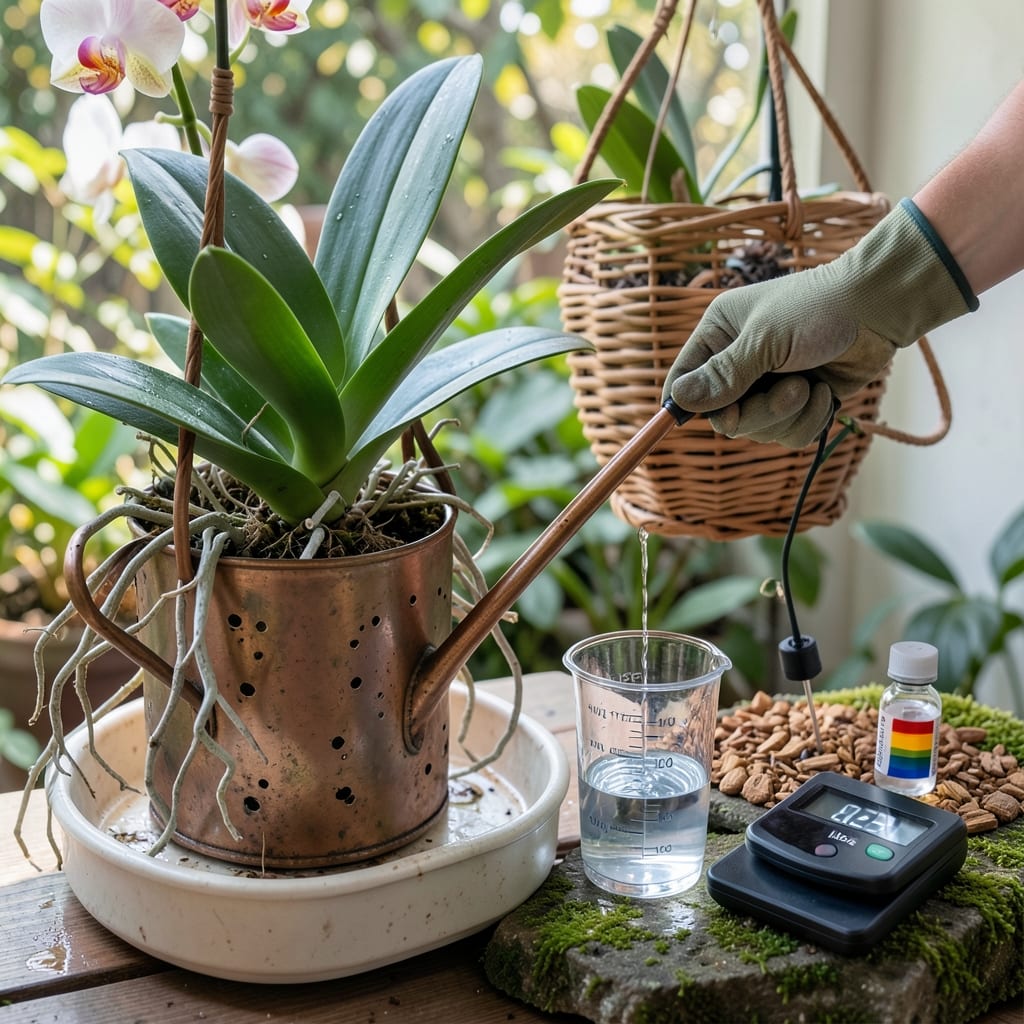
Wondering how much water do I need to give outdoor orchids a day without turning your 🌸 plants into sad, droopy messes? You're not alone—most gardeners overthink (or overdo) watering, leading to root rot or thirsty leaves.
Outdoor orchids thrive on consistency, but their needs shift with seasons and climate. In USDA Zone 6, where spring blooms bring hope and summer heat tests patience, the right watering routine keeps your orchids vibrant. I’ll break down exactly how much to give—whether you’re in a humid jungle-like climate or a dry, arid zone—and when to adjust for rain or drought.
No more guessing if your orchids are parched or drowning. You’ll learn the 3 key signs of overwatering (yellow leaves, mushy roots) and underwatering (wrinkled pseudobulbs), plus the best times to water for maximum absorption. Let’s make your orchids the star of your garden—without the drama.
Ready to master the art of hydration? By the end, you’ll water like a pro, saving time and keeping your orchids blooming for months. Let’s dive in.
Daily watering requirements for outdoor orchids by climate zone
Outdoor orchids thrive on a delicate balance of moisture—too little and their roots shrivel, too much and they drown. The key lies in understanding your climate zone and orchid species, as these factors dictate how often you should water. In humid tropical zones like Florida, orchids may need water every other day, while arid desert climates like Arizona might require only bi-weekly watering during summer. Even within the same zone, species like Phalaenopsis (moth orchids) demand consistent moisture, while Dendrobium orchids prefer drying out between waterings.
Seasonal shifts also play a critical role. During spring and summer, when temperatures rise and evaporation speeds up, most orchids will need daily or every-other-day watering. As autumn arrives and growth slows, reduce frequency to every 3-4 days. In winter, many orchids enter dormancy and require minimal water—sometimes as little as once every 2-3 weeks—unless you're in a frost-free tropical climate where consistent moisture remains essential.
Your orchid's container type affects water needs too. Plants in bark mix media dry out faster than those in clay pots, which retain moisture longer. Epiphytic orchids (like Cattleya) clinging to trees or slabs need morning misting to mimic their natural habitat, while terrestrial orchids planted in soil benefit from deep soaking at the base. Always check the top inch of media—if it feels dry, it's time to water.
🌍 Outdoor Orchid Watering Guide by Climate Zone
| Climate Zone | Orchid Type | Spring/Summer Watering | Fall/Winter Watering | Key Tips |
|---|---|---|---|---|
| Tropical (Zones 10-12) | Phalaenopsis, Vanda | Every other day (morning) | Every 3-4 days | Use rainwater; avoid soggy media |
| Temperate (Zones 6-9) | Cattleya, Oncidium | Daily (soak & drain) | Bi-weekly (reduce in winter) | Mulch pots to retain moisture |
| Arid (Zones 3-5) | Dendrobium, Paphiopedilum | Every 3-4 days (deep soak) | Weekly (dormant phase) | Use gravel trays for humidity |
💡 Pro Tip: Always water at soil level to avoid wetting leaves, which can cause fungal diseases.
For Phalaenopsis orchids, the most common outdoor variety, aim for 1/2 to 1 cup of water per week during cooler months, doubling in peak summer heat. These orchids love humidity, so if your climate is dry, place a pebble tray with water beneath the pot to increase ambient moisture without overwatering. Cattleya orchids, on the other hand, prefer a drying-out period between waterings—let the pseudobulbs shrink slightly before rehydrating to encourage blooming.
Monitor your orchid's root health as a barometer for water needs. Healthy roots should be firm and green (for epiphytes) or white and plump (for terrestrials). If roots turn black or mushy, you're overwatering; if they appear shriveled or silver, it's time to hydrate. A simple finger test—inserting your index finger 1 inch into the media—will tell you if it's dry enough for watering.
Adjust your schedule based on rainfall patterns. In areas with frequent rain, like the Pacific Northwest, reduce supplemental watering to every 5-
Signs your outdoor orchids are overwatered or underwatered (and how to fix it)
Your outdoor orchids might be silently screaming for help—whether from too much water or not enough. The first clue? Their leaves and roots. Overwatered orchids often show yellowing leaves or mushy, black roots, while underwatered ones develop wrinkled pseudobulbs or silver-gray roots. These visual cues are your early warning system, but don’t panic—most issues are reversible with quick adjustments.
Let’s start with the most common signs of overwatering. If your orchid’s leaves turn yellow or brown and feel soft or mushy, it’s drowning. Check the roots—healthy ones should be green or silvery-white, but overwatered roots turn black and slimy. The fix? Stop watering immediately, repot in fresh bark mix, and place the orchid in a bright, shaded spot with improved drainage. A moisture meter can help you avoid repeating this mistake.
🌿 Key Takeaway: Overwatering is the #1 killer of outdoor orchids—always let the top inch of media dry out between waterings.