
How To
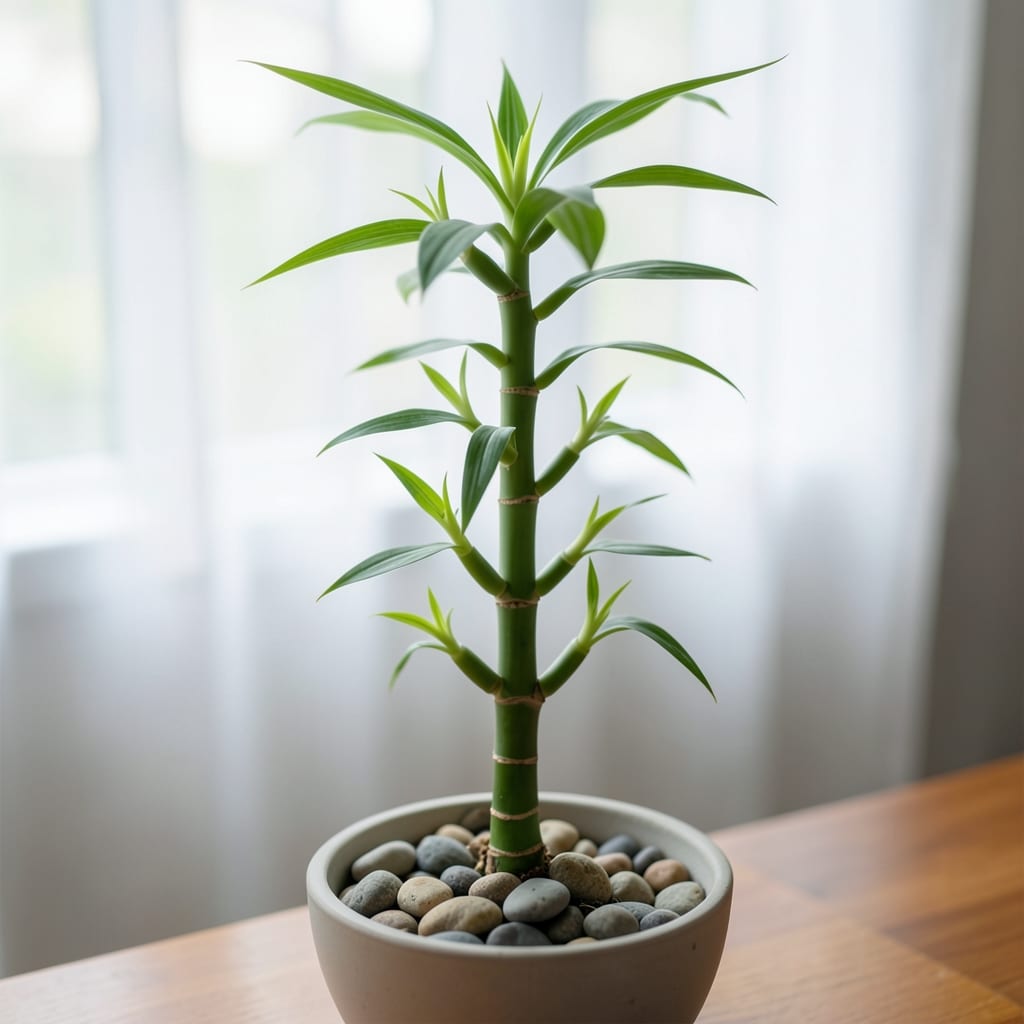
Wondering how tall bamboo grow and whether it’ll turn your yard into a jungle overnight? Some varieties can shoot up 3 feet in just a month, while others stay neatly contained—if you pick the right type and give it proper care.
Bamboo isn’t just one plant—it’s a family with dramatic differences. Dwarf species top out at 8 feet, while giants like Phyllostachys bambusoides can dwarf a 10-story building. The secret to controlling height (or letting it soar) lies in understanding species, soil, and sunlight needs.
I’ll break down the fastest-growing types, how to maximize their height, and when to prune to keep them in check. Whether you want a privacy screen or a compact accent plant, this guide helps you grow bamboo exactly how you want it—no surprises included.
Ready to turn your space into a bamboo paradise? Let’s dive into the species, care tips, and growth hacks that’ll make your bamboo thrive—without taking over your yard.


Bamboo growth rates by species: which grow fastest (and how tall they get)
Bamboo’s height varies wildly—from 3-foot dwarf varieties to 100-foot giants that rival skyscrapers. The difference boils down to two factors: species type (running vs. clumping) and growth rate. Running bamboos like Phyllostachys spread aggressively, while clumping types like Bambusa stay put. Let’s break down the fastest growers and their mature heights.
Fastest-growing bamboos can shoot up 3 feet per month in ideal conditions. For example, Phyllostachys bambusoides (Moso bamboo) grows 1–2 feet per week during peak season. Even slower varieties like Bambusa multiplex (dwarf bamboo) reach 8 feet in 3–5 years. The key? Sunlight, water, and nitrogen-rich soil fuel this rapid growth.
Here’s how bamboo height stacks up by category: dwarf (3–8 ft), medium (10–20 ft), and giant (30–100+ ft). Dwarf types like Bambusa ventricosa are perfect for pots, while giants like Dendrocalamus asper need acres of space. Your choice depends on your yard’s size and your patience for maintenance.
Clumping bamboos (like Bambusa tuldoides) grow vertically but rarely spread, making them ideal for small spaces. Running bamboos (Phyllostachys nigra) send out underground runners, so they need root barriers to prevent takeover. If you want height without chaos, clumping types are your best bet.
| Species | Type | Mature Height | Monthly Growth | Climate |
|---|---|---|---|---|
| Phyllostachys bambusoides | Running | 30–100 ft | 1–2 ft/month | Temperate |
| Bambusa multiplex | Clumping | 3–8 ft | 6–12 in/month | Tropical |
| Dendrocalamus asper | Running | 60–100 ft | 2–3 ft/month | Tropical |
| Bambusa tuldoides | Clumping | 10–20 ft | 1 ft/month | Subtropical |
| Fargesia robusta | Clumping | 8–12 ft | 8–12 in/month | Cold-hardy |
If you’re in a temperate climate, Phyllostachys species dominate with their rapid growth. For tropical regions, Dendrocalamus is the king of height. Cold-hardy types like Fargesia (drift bamboo) grow slower but handle USDA Zone 5 winters—perfect for northern gardens.
Pro tip: Clumping bamboos are your best bet for small yards. They grow tall but don’t spread, while running types need root barriers or containers to prevent them from turning your lawn into a bamboo forest. Always check the species label before buying—some "dwarf" bamboos are mislabeled and grow much taller.
For fastest vertical growth, prioritize full sun (6+ hours/day) and moist, nitrogen-rich soil. Running bamboos like Phyllostachys will reward you with 3-foot monthly gains if conditions are ideal. Just be prepared for their aggressive spread—unless you’re okay with a living fence!
Ready to pick your perfect bamboo? Start with your space and climate, then match it to the species in the table. Whether you want a privacy screen or a potted accent plant, there’s a bamboo height that fits your vision.
How to maximize bamboo height growth: soil, sun, and pruning secrets
Want your bamboo to shoot up like a skyscraper? The secret lies in three critical factors: soil nutrition, sunlight exposure, and pruning techniques. Bamboo thrives when its roots get plenty of nitrogen (for leafy growth) and phosphorus (for root development). A balanced 10-10-10 fertilizer applied every 4-6 weeks during spring and summer will fuel rapid vertical growth—especially for fast growers like Phyllostachys.
Sunlight is non-negotiable. Bamboo needs 6+ hours of direct sun daily to maximize height. Plant in the southernmost part of your yard for full exposure. In hot climates, partial shade (morning sun + afternoon shade) prevents stress while still encouraging growth. Morning watering (before 10 AM) keeps roots hydrated without fungal risks from evening moisture.
Here’s how to supercharge growth with science-backed tips:
- 🌱 Test soil pH (ideal: 5.5–7.0). Acidic soil? Add lime; alkaline? Use sulfur.
- 💧 Water deeply 2–3x/week (1–2 gallons per plant). Drought stress stunts growth.
- ☀️ Mulch with compost to retain moisture and add nutrients. Avoid plastic mulch—it traps heat.
- ✂️ Prune old culms (stems) in early spring to redirect energy to new shoots.
- 🌿 Use a root stimulator (like mycorrhizal fungi) at planting to boost root expansion.
Pruning isn’t just about height control—it’s a growth hack. Remove dead or weak culms to let strong stems dominate. For running bamboos, trim runners at the rhizome level to force energy upward. Clumping types benefit from cutting back 1/3 of the oldest culms annually to stimulate new growth. Just avoid over-pruning—bamboo needs at least 3–5 healthy culms to thrive.
Pro tip: Top-dress with compost in spring to feed roots without disturbing them. Bamboo’s rapid growth depletes soil nutrients fast, so feed every 6 weeks during active growth (March–September). For container-grown bamboo, use a slow-release fertilizer to avoid root burn from overfeeding.
Ready to watch your bamboo reach new heights? Start with sunlight, soil prep, and strategic pruning. Within months, you’ll see 3-foot monthly gains—if you give it the right conditions. Just remember: patience is key. Even the fastest bamboos take 2–3 years to hit their mature height potential.