
How To
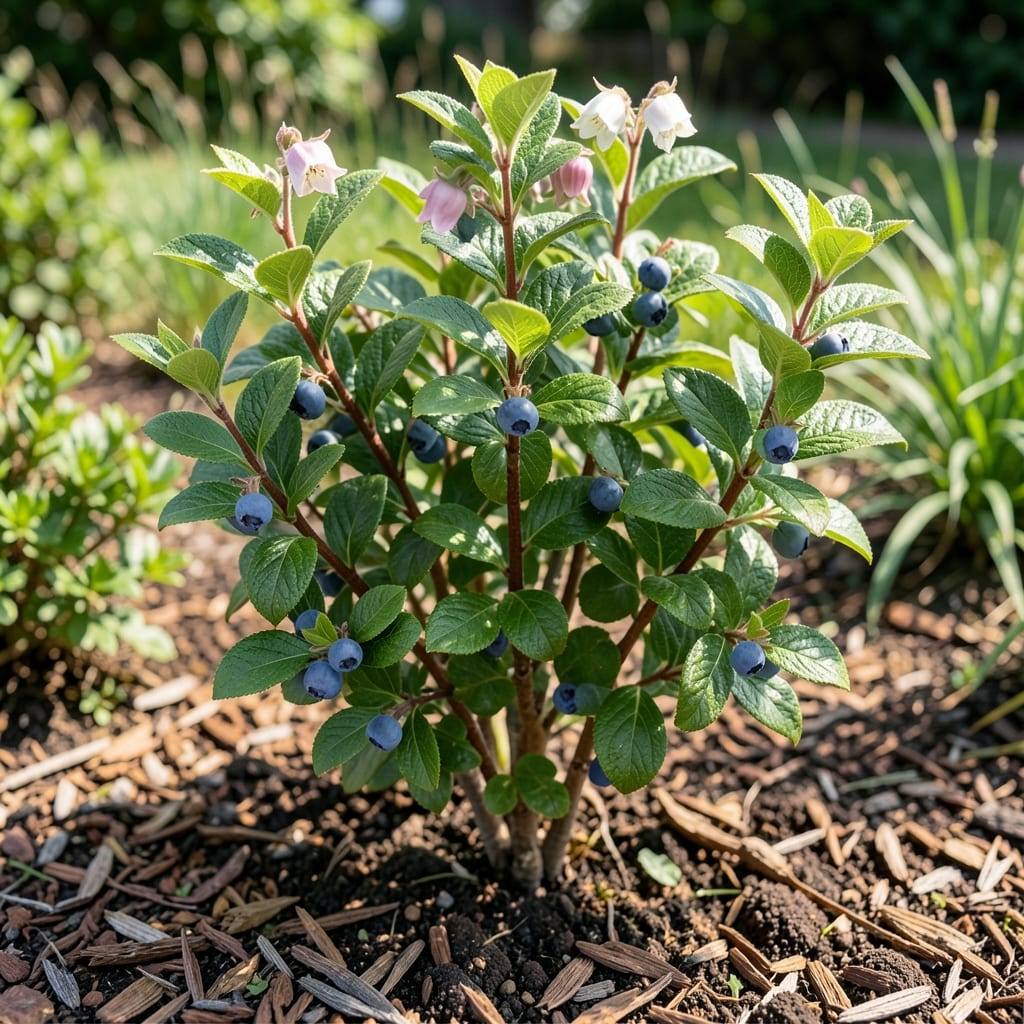
If you’ve ever wondered how tall blueberry bushes grow and whether they’ll take over your backyard, the answer might surprise you. These 🫐 blueberry bushes can range from compact 2-foot shrubs to towering 12-foot giants—depending on the variety and how you care for them.
For gardeners in USDA Zone 6a, choosing the right type is key. Dwarf varieties like 'Top Hat' stay under 4 feet, while standard highbush types can reach 6-12 feet if left unchecked. The good news? With smart pruning and spacing, even large bushes can be managed in small gardens.
What most gardeners don’t realize is that height isn’t just about genetics—soil, sunlight, and pruning play huge roles. I’ll show you how to keep your bushes at your ideal height, whether you’re working with a 3-foot container or a full backyard plot.
Ready to grow blueberries without the space worries? Let’s dive into the varieties, pruning tricks, and common mistakes that can turn your 🫐 blueberry bushes into either a compact dream or a wild jungle.


Blueberry bush height by variety: compact options for small gardens
Blueberry bushes come in three main height categories: dwarf, semi-dwarf, and standard. The right choice depends on your space and goals. Dwarf varieties like 'Top Hat' stay under 4 feet, while standard highbush types can reach 6-12 feet if unpruned. For small gardens, I recommend starting with compact varieties—they produce just as many berries per square foot!
Lowbush blueberries (1-3 feet) are the smallest, perfect for containers or edging. Highbush varieties like 'Bluecrop' grow 6-12 feet but can be pruned to 4-5 feet for easier maintenance. The key is matching your variety to your garden layout and pruning habits.
Here’s how different varieties compare in terms of mature height and spacing needs:
| Variety Type | Mature Height | Spacing Needs | Best For |
|---|---|---|---|
| Dwarf (e.g., 'Top Hat') | 2-4 ft | 3-4 ft apart | Containers, small gardens |
| Semi-Dwarf (e.g., 'Peach Sorbet') | 4-6 ft | 5-6 ft apart | Backyard borders, raised beds |
| Standard (e.g., 'Bluecrop') | 6-12 ft | 8-10 ft apart | Large gardens, hedgerows |
| Lowbush (e.g., 'Patriot') | 1-3 ft | 2-3 ft apart | Wildlife gardens, ground cover |
If you’re growing blueberries in containers, choose dwarf varieties like 'Sunshine Blue' or 'Jubilee'. These stay under 3 feet and thrive in 15-20 gallon pots with acidic potting mix. For in-ground planting, semi-dwarf types like 'Pink Lemonade' offer bright berries and manageable heights of 4-5 feet.
One common misconception is that taller bushes produce more berries. In reality, proper spacing and pruning ensure better airflow and sunlight penetration, which boosts fruit production. For example, a 4-foot 'Peach Sorbet' bush can yield just as much as an unpruned 8-foot 'Bluecrop' if cared for correctly.
For gardeners in USDA Zone 6a, cold-hardy varieties like 'Northblue' (5-6 ft) or 'Jersey' (6-8 ft) are excellent choices. These varieties handle winter chills well and maintain compact growth with regular pruning. Always check the plant tag for mature height estimates—it’s your best guide!
Pro tip: If you’re short on space, consider espalier training. This technique flattens bushes against a fence or trellis, reducing their footprint by up to 50% while keeping them productive. I’ve seen espaliered blueberry bushes grow in 2-foot-wide spaces!
Remember, height isn’t set in stone. Even standard varieties can be kept at 5-6 feet with aggressive pruning. The key is balancing growth with fruit production—never cut back more than 30% of the bush in a single year to avoid stress.
Pruning techniques to control blueberry bush height and shape
Pruning is the secret weapon for keeping blueberry bushes at your desired height. Unlike many plants, blueberries produce fruit on wood from the previous year, so pruning too aggressively can reduce your harvest. The goal is to shape the bush while maintaining healthy, productive canes. Start by removing dead, diseased, or crossing branches—these compete for nutrients and can stunt growth.
Timing matters most. For dormant-season pruning (late winter or early spring), cut back one-third of the oldest canes at ground level. This opens up the center for sunlight and air circulation. Summer pruning is gentler—just trim overly vigorous shoots to redirect energy to fruit production. Avoid heavy cuts in summer, as this stresses the plant.
Here’s a step-by-step guide to pruning for compact growth, including tools and techniques to keep your bushes manageable:
- 🪴 Step 1: Gather Tools
Use sharp pruners (for small branches) and loppers (for thicker canes). Disinfect tools with rubbing alcohol to prevent disease spread. - 🌿 Step 2: Identify Canes
Look for productive canes (last year’s growth with fruit buds) and non-productive canes (thin, weak, or woody stems). Keep 5-6 of the strongest canes per bush. - ✂️ Step 3: Prune Dormant Season
Cut back oldest canes (3+ years) to the ground. Thin out crowded branches to improve airflow. Aim for an open vase shape. - 🌱 Step 4: Summer Maintenance
Trim suckers (shoots at the base) and overly long shoots to encourage bushiness. Never cut more than 25% of the foliage in summer. - 📏 Step 5: Shape for Height
To keep bushes under 5 feet, prune the top third of the bush annually. For container varieties, prune new growth tips to encourage branching.
One common mistake is pruning too late in spring, which delays fruit ripening. Always finish pruning 4-6 weeks before your last frost date in USDA Zone 6a. Another tip: Label your bushes if you’re pruning multiple varieties—some, like 'Bluecrop,' need more aggressive pruning than 'Top Hat.'
For espaliered blueberries, prune to train branches along a horizontal wire. This reduces height by 50-70% while increasing fruit accessibility. I’ve trained 'Pink Lemonade' bushes to grow 2 feet tall against a trellis—perfect for small patios! Just be patient; espaliering takes 2-3 years to fully shape.
Remember, less is more with blueberries. Over-pruning stresses the plant and reduces next year’s crop. If your bushes are too tall, focus on gradual reduction—never remove more than 30% of the canopy in a single year. With consistent pruning, you’ll enjoy compact, productive bushes that fit even the tightest spaces.