
Plants
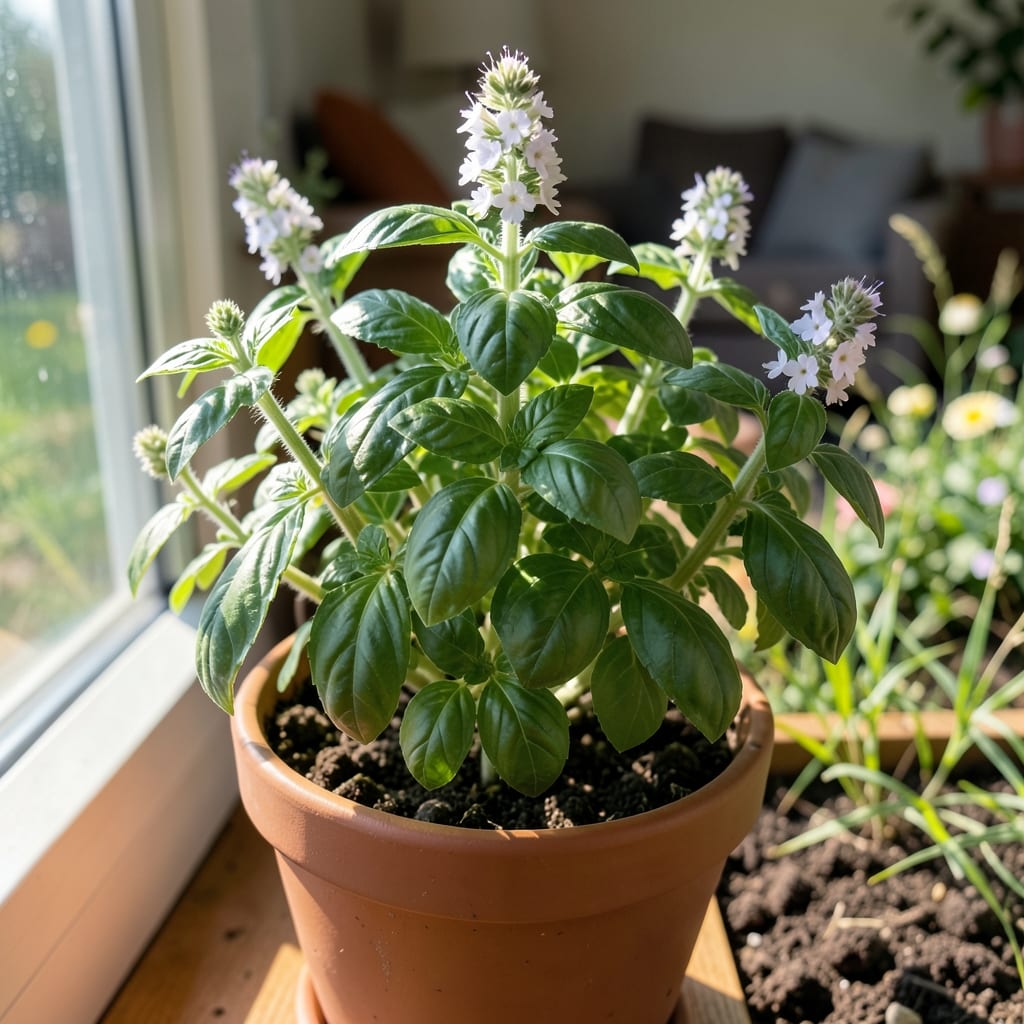
If you’ve ever wondered how tall can a basil plant grow—or why yours seems stuck at 6 inches while your neighbor’s towers toward the sky—the answer lies in a mix of nature and nurture. 🌿 That 18- to 24-inch range you’ve heard about? It’s not just luck; it’s science, sunlight, and a little strategic pruning working together.
Genetics set the stage, but your care habits write the ending. Whether you’re growing Genovese basil for pesto or a compact Thai variety for spicy dishes, understanding these factors lets you control the height—whether you want a bushy, harvest-ready plant or a towering centerpiece. Let’s break down what’s really holding your basil back (or pushing it forward).
Sunlight, soil, and pruning techniques all play a role, but the biggest game-changer? How you pinch and harvest. Skip this step, and you’ll end up with a leggy, woody stalk instead of the lush, flavorful plant you’re after. I’ll show you exactly how to coax your basil into its ideal height—no guesswork required.
Ready to turn your basil-growing frustration into a thriving, height-controlled herb garden? Let’s dive into the five key factors that determine whether your basil stays short and sweet or stretches toward the sky.

Natural basil plant height: genetic varieties and growth habits explained
When I first started growing basil, I assumed all varieties would reach the same height—but that’s far from true! The natural height of your basil depends entirely on its genetic variety. Some stay compact at just 6 inches, while others can tower up to 24 inches or more under ideal conditions. Understanding these differences helps you choose the right type for your space and goals.
Most standard basil varieties, like the classic Genovese or Sweet Basil, typically grow between 18 and 24 inches tall when left unpruned. These are the types you’ll find in grocery stores or seed packets labeled for "full-size" plants. Their upright growth habit makes them perfect for container gardening or as border plants in garden beds.
But here’s where things get interesting: dwarf basil varieties exist specifically for smaller spaces. Types like Spicy Globe or Mini Basil max out at just 6 to 12 inches, making them ideal for windowsills, hanging baskets, or even as indoor plants. Their compact size also means they produce leaves more slowly, so you’ll need to harvest more frequently to encourage bushier growth.
Now, let’s talk about the tallest basil varieties. Thai Basil and Purple Basil often grow taller than standard types, sometimes reaching 2 to 3 feet in height. These varieties are perfect if you’re growing basil for culinary purposes and want a steady supply of leaves without constant pruning. Their height also makes them great for vertical gardening or as a natural trellis for lighter vines.
Climate plays a surprising role in height too. In warmer climates (USDA Zones 9-11), basil can grow 20-30% taller because it stays in its active growth phase longer. In cooler regions (Zones 6-8), you’ll likely see shorter plants unless you extend the growing season with row covers or containers.
One common misconception is that all basil plants will naturally grow tall and leggy. In reality, bush basil varieties like Bush Basil or Green Bouquet are bred to stay compact and bushy, rarely exceeding 12 inches in height. These are fantastic for potted herbs or as a low border in garden beds.
Here’s a quick visual comparison to help you visualize these differences:
| Variety | Height Range | Growth Habit | Best For |
|---|---|---|---|
| Genovese | 18–24" | Upright | Pesto, containers |
| Sweet Basil | 18–24" | Upright | General cooking |
| Thai Basil | 24–36" | Tall, bushy | Thai dishes, vertical gardens |
| Spicy Globe | 6–12" | Compact, round | Windowsills, hanging baskets |
| Purple Basil | 20–30" | Tall, slender | Garden borders, ornamental |
| Bush Basil | 12–18" | Bushy, dense | Potted herbs, low borders |
If you’re growing basil in containers, the variety you choose will directly impact how much space you need. A Thai Basil plant, for example, might need a 12-inch pot to accommodate its height, while a
5 Key factors that control basil plant height (and how to optimize them)
If you’ve ever wondered why your basil plant grows like a weed one year and stays stunted the next, the answer lies in these five critical factors. I’ve learned through trial and error that sunlight exposure, pruning techniques, and even container size can push your basil to 24 inches or keep it compact at just 6 inches. Let’s break down how each factor influences height—and how to optimize them for your goals.
First, sunlight is the biggest height regulator. Basil plants need 6+ hours of direct sun daily to grow to their full genetic potential. When I moved my basil from a shady windowsill to a sunny balcony, it shot up from 12 inches to nearly 2 feet in just two weeks. Without enough light, basil becomes leggy and weak, stretching toward any available light source. This phenomenon is called etiolation, and it’s the #1 reason basil stays short.
Basil needs 6+ hours of direct sun daily. Less light = shorter plants. Use a south-facing window or grow lights for indoor basil.
Pinch top leaves when plant reaches 6 inches to encourage bushier growth. Avoid heavy pruning if you want taller stems for harvesting.
Root-bound basil grows taller but weaker. Use pots 12+ inches deep for standard varieties. Dwarf types need 6-inch pots to stay compact.
Overwatering causes root rot, stunting growth. Underwatering leads to leggy stems. Water when top 1 inch of soil feels dry.
Use well-draining soil with compost. Nitrogen-rich fertilizer (like 10-10-10) promotes leafy growth, while phosphorus encourages root development.
Next, pruning and pinching are your secret weapons for controlling height. When I first grew basil, I avoided pruning—big mistake! By pinching off the top leaves when the plant reaches 6 inches, you trigger lateral branching, creating a bushier, shorter plant. This technique works because basil grows in a terminal bud pattern—removing the top forces side shoots to grow. For taller basil, like Thai varieties, I skip heavy pruning and let the plant grow vertically.
Don’t overlook container size—it’s a silent height controller. Root-bound basil will grow taller but weaker as it searches for nutrients. I’ve seen Genovese basil in 5-gallon pots reach 28 inches, while the same variety in a 6-inch pot maxed out at 12 inches. For standard varieties, aim for 12-inch-deep containers. Dwarf types like Spicy Globe thrive in 6-inch pots and stay compact.
Watering might seem simple, but balance is key. Overwatering causes root rot, which stunts growth entirely. Underwatering leads to leggy, weak stems as the plant stretches for moisture. I water my basil in the morning when the top 1 inch of soil feels dry. This routine keeps my plants consistently moist without waterlogging. Pro tip: Use a moisture meter to avoid guesswork.
Finally, soil nutrients directly impact height. Basil thrives in well-draining soil with organic matter. A balanced fertilizer (like 10-10-10) promotes leafy growth, while phosphorus-heavy fertilizers encourage root development. I add compost to my planting mix and fertilize every 4-6 weeks during the growing season. Avoid over-fertilizing—too much nitrogen leads to soft, weak stems that flop over.
By mastering these five factors, you’ll gain full control over your basil’s height—whether you want a compact windowsill plant or a towering harvest machine. Start with sunlight and pruning, then fine-tune with container size and soil. Your basil will thank you with lush, flavorful leaves and the perfect height for your space! 🌿