
Size
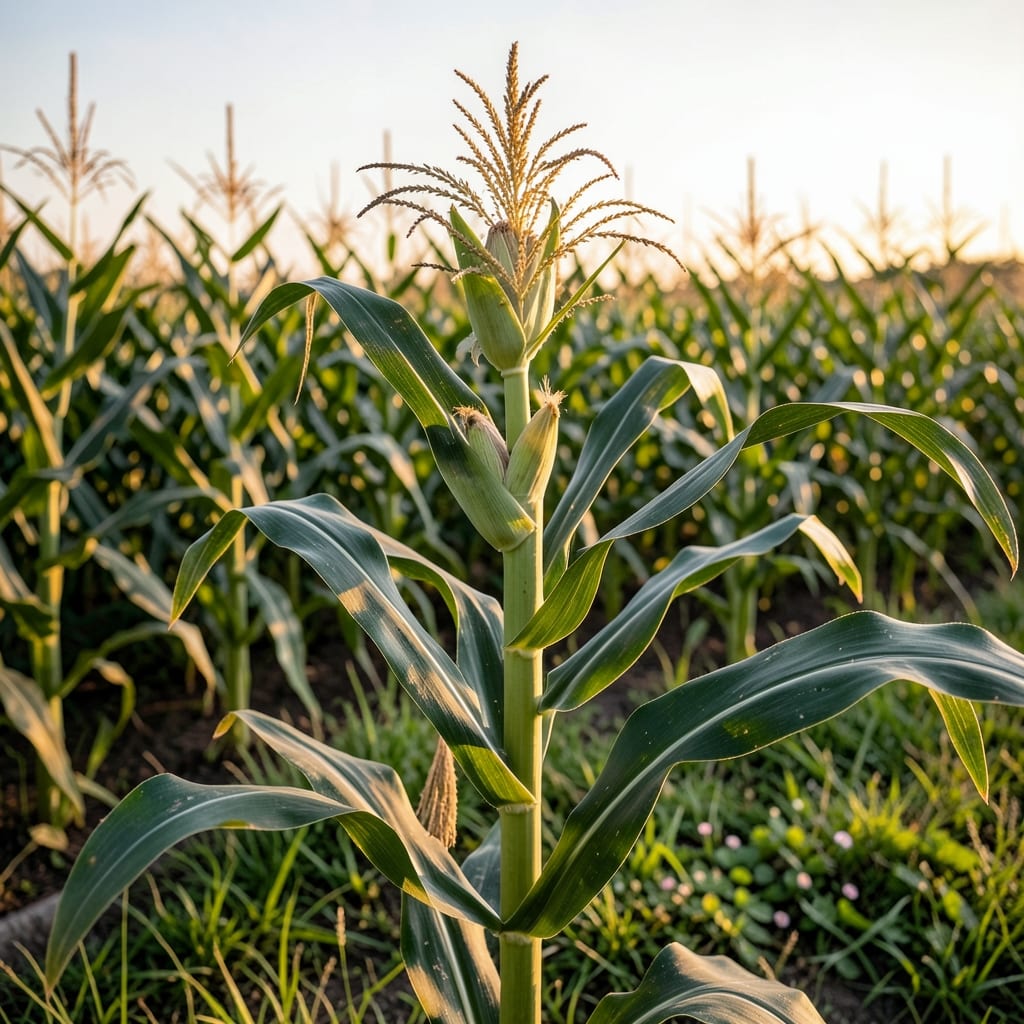
If you’ve ever wondered just how tall can a corn plant grow—whether you’re dreaming of towering 🌽 stalks in your backyard or squeezing dwarf varieties into a tiny urban plot—you’re in the right place. Corn isn’t just a vegetable; it’s a sky-high crop that can reach heights you’d expect only from a fairy tale (or a Midwest farm).
The truth is, corn plants can stretch anywhere from 3 feet to over 12 feet, depending on the variety and growing conditions. Whether you’re working with dwarf types perfect for containers or giant hybrids that need room to sprawl, knowing the right approach makes all the difference. Let’s break down what influences that height—and how you can grow corn that fits your space and your goals.
Genetics play the biggest role, but sunlight, soil, and even watering habits can push those stalks higher—or keep them compact. For example, ‘Country Gentleman’ can top 10 feet, while ‘Temptation’ stays a manageable 5 feet. The key? Choosing the right variety for your garden’s size and learning a few simple tricks to maximize growth without sacrificing yield.
Ready to turn your garden into a cornfield—no matter how big (or small) your space? I’ll walk you through everything you need to know, from spacing tips to the best varieties for your plot. Let’s get growing!


Corn plant height by variety: from dwarf to sky-high giants
Corn plants are like the skyscrapers of the vegetable world—some stay cozy at 3 feet, while others shoot up to 12 feet or more. The difference? Variety. Whether you’re working with a dwarf type perfect for containers or a giant hybrid that needs room to stretch, choosing the right corn can make or break your harvest. Let’s explore the height spectrum and what each variety brings to your garden.
Most gardeners start with standard varieties like 'Golden Bantam' or 'Silver Queen,' which typically reach 5–7 feet. These are great for small plots but still need space to thrive. On the other end, giant varieties like 'Mammoth Melting' or 'Country Gentleman' can tower over 10 feet, making them a statement piece—but they require serious real estate. For urban gardeners or those with limited space, dwarf varieties like 'Baby Blue' or 'Temptation' are game-changers, staying under 5 feet while delivering sweet, flavorful ears.
Here’s the kicker: height isn’t just about space. It’s also about growth habits. Tall corn varieties often produce more ears but need stronger stems to support their weight. Dwarf varieties, meanwhile, mature faster and are less prone to lodging (falling over). Your choice depends on your garden’s size, your goals, and how much you’re willing to invest in care.
For example, if you’re growing corn in containers or raised beds, a 5-foot variety like 'Golden Bantam' is ideal. But if you’ve got open ground and dream of a cornfield vibe, 'Country Gentleman' will give you that 10-foot drama. The key is matching the variety to your space and commitment.
| Variety | Height Range | Best For | Days to Maturity |
|---|---|---|---|
| Baby Blue | 3–4 ft | Containers, small gardens | 60–70 days |
| Golden Bantam | 5–6 ft | Small plots, beginners | 70–80 days |
| Temptation | 5–7 ft | Urban gardens, trellising | 75–85 days |
| Country Gentleman | 10–12 ft | Large gardens, high yields | 90–100 days |
| Mammoth Melting | 10–12 ft | Traditional cornfields | 100–110 days |
🌽 Pro Tip: Always check seed packets for exact height ranges—some varieties can vary by 1–2 feet!
Now, you might be wondering: Can I grow a 12-foot corn plant in my backyard? The answer is yes—but it depends on your soil quality, sunlight exposure, and watering routine. Tall corn needs rich, well-draining soil packed with organic matter. If your soil is poor, even the hardiest varieties will struggle to reach their full height. Amending with compost or aged manure before planting can make a huge difference.
Sunlight is another non-negotiable. Corn is a sun-worshipper, craving at least 6–8 hours of direct sun daily. If your garden gets less, your corn will be stunted, no matter the variety. And don’t forget water—deep, consistent moisture is critical, especially during tasseling and ear development. Skimp on water, and those towering stalks will sag under their own weight.
One of my favorite discoveries? Companion planting can influence height indirectly. Planting corn with beans or squash improves soil health, which can boost growth. Meanwhile, avoiding corn’s worst enemies (like cabbage or strawberries) keeps your plants focused on reaching their potential. It’s all about creating the perfect environment for your corn to shine.
So, whether you’re eyeing a dwarf variety for your balcony or dreaming of 12-foot giants in your backyard, the right choice starts with knowing your space and your goals. Next, we’ll dive into how to maximize height without sacrificing yield—because even the tallest corn needs the right care to stand strong. 🌱
Corn plant height by variety: from dwarf to sky-high giants
Corn plants can stretch from compact 3-foot varieties to monster 12-foot giants, depending on the type you choose. The right variety isn’t just about height—it’s about matching your garden’s space and your goals. Whether you’re aiming for a basketball-hoop-tall harvest or a container-friendly dwarf, understanding these differences will help you plan like a pro.
Dwarf varieties like ‘Baby Blue’ stay between 3-4 feet tall, making them perfect for urban balconies or small raised beds. Medium-height types such as ‘Golden Bantam’ reach 5-6 feet, ideal for family gardens with limited space. On the other end, ‘Mammoth Melting’ and ‘Country Gentleman’ can soar to 10-12 feet, turning your backyard into a cornfield dream—if you have the room!
| Variety | Height Range | Best For | Sunlight Needs |
|---|---|---|---|
| Baby Blue | 3–4 ft | Containers, small gardens | Full sun (6+ hrs) |
| Golden Bantam | 5–6 ft | Family gardens, heirloom lovers | Full sun (6+ hrs) |
| Mammoth Melting | 10–12 ft | Large plots, traditional farms | Full sun (8+ hrs) |
| Country Gentleman | 8–10 ft | High-yield gardens, fresh ears | Full sun (8+ hrs) |
| Temptation | 5–6 ft | Small spaces, early harvests | Full sun (6+ hrs) |
Choosing the right variety isn’t just about height—it’s also about harvest time and flavor. Dwarf varieties like ‘Baby Blue’ mature faster (around 60 days), while giant types like ‘Mammoth Melting’ take 90+ days to reach peak sweetness. If you’re in a short growing season, opt for early-maturing medium-height types like ‘Temptation’ to avoid frost.
Soil quality plays a huge role in how tall your corn will grow. Nutrient-rich, well-draining soil with plenty of organic matter helps stalks reach their full potential. If your soil is clay-heavy or sandy, amend it with compost or aged manure before planting. A pH between 6.0–7.0 ensures your corn absorbs essential nutrients like nitrogen and phosphorus, which fuel rapid growth.
Pro tip: If you’re growing tall varieties in a small garden, consider trellising or staking to save space. Even 10-foot stalks can be trained to grow vertically, leaving more room for other crops. Just
Ready to pick your perfect variety? Whether you’re going for dwarf delights or sky-high giants, the key is matching your corn’s needs to your garden’s space. Next, let’s talk about how to maximize that height without sacrificing yield—because even the tallest corn needs the right care to shine.