
Trees
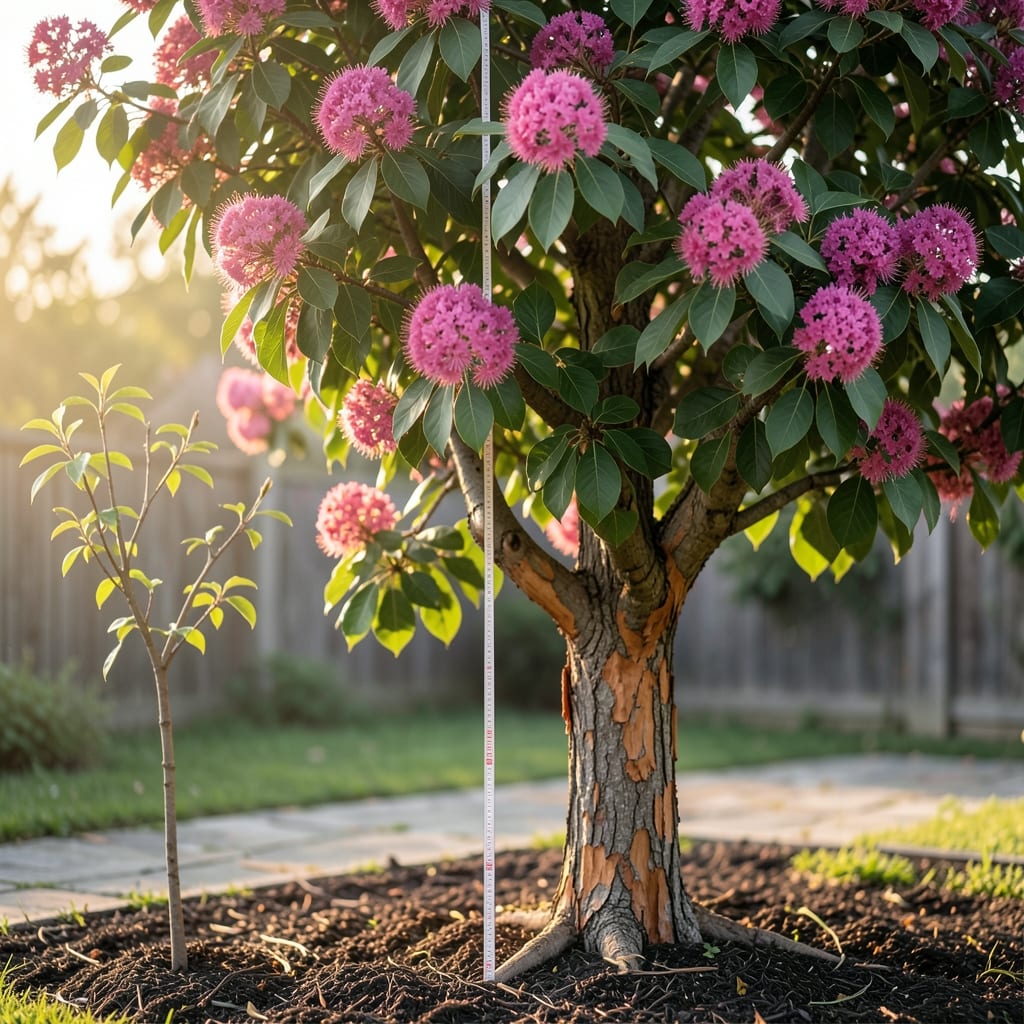
Wondering how tall that stunning 🌸 Crepe Myrtle Tree in your neighbor's yard could grow? The answer might surprise you—these trees can reach heights from a modest 6 feet to towering 30 feet, depending on the variety and care you provide.
If you're planning your landscape and want a tree that fits your space perfectly, choosing the right type is the key. Dwarf varieties stay compact, while standard types grow tall enough to shade entire backyards. I’ll break down the exact height ranges so you can pick the perfect match for your yard’s size and style.
But here’s the catch: without proper pruning and care, even a small variety can grow beyond expectations. I’ll share easy-to-follow tips to keep your Crepe Myrtle at your desired height, whether you want a cozy accent tree or a grand statement piece.
Ready to discover how to control your tree’s growth and create the landscape of your dreams? Let’s dive into the details—because the right approach makes all the difference!


Crepe myrtle tree height by variety: smallest to tallest options
Crepe myrtles come in a stunning array of heights, from compact dwarf varieties perfect for small yards to towering giants that provide dramatic shade. The variety you choose directly impacts how tall your tree will grow—some stay under 6 feet while others reach 30 feet or more. Knowing these ranges helps you plan your landscape with confidence.
I’ve planted crepe myrtles of all sizes, and the difference in growth habits is remarkable. Dwarf varieties like 'Acoma' or 'Tonto' stay manageable, while standard types like 'Natchez' or 'Muskogee' become architectural focal points. Let’s explore the exact height ranges so you can pick the perfect fit for your space.
Here’s the key takeaway: Dwarf varieties (6–12 ft) thrive in tight spaces, semi-dwarf types (12–18 ft) work for medium yards, and standard varieties (20–30 ft) dominate larger landscapes. Your choice depends on both the variety and how aggressively you prune.
The 'Acoma' and 'Tonto' varieties are my top picks for small spaces—they stay under 10 feet and bloom profusely without overwhelming your yard. These dwarf types grow just 1–2 feet per year, making them low-maintenance choices for beginners.
If you’re aiming for a medium-height tree, varieties like 'Catawba' or 'Rapids' hit 12–18 feet at maturity. They’re perfect for creating natural privacy screens or framing entryways. I’ve seen these grow 3–4 feet annually in ideal conditions, so they fill out quickly.
For those dreaming of a grand shade tree, standard varieties like 'Natchez' or 'Muskogee' are unbeatable. These giants reach 25–30 feet and provide years of lush foliage and vibrant blooms. However, their rapid growth means you’ll need to plan for pruning from the start to manage their height.
Pro tip: Check the growth rate when selecting a variety. Faster-growing types like 'Natchez' can add 5 feet in a single season, while slower growers like 'Acoma' take their time to reach maturity. This difference can save you hours of pruning—or create extra work if you underestimate their potential.
Remember, these heights are for unpruned trees. With strategic pruning, you can easily keep even the tallest varieties under control. I’ll cover those techniques in the next section, but for now, focus on choosing a variety that aligns with your yard’s dimensions and your long-term vision.
No matter which variety you pick, crepe myrtles reward patience with stunning blooms and year-round interest. Whether you want a cozy patio tree or a towering backyard centerpiece, there’s a perfect crepe myrtle height waiting for you.
How pruning affects crepe myrtle height: techniques to control growth
Pruning is the secret weapon for controlling crepe myrtle height, and doing it right can transform a potential 30-foot monster into a perfectly sized backyard tree. I’ve learned through experience that timing and technique are everything—prune at the wrong time, and you’ll encourage rapid growth or even damage your tree’s health.
Most gardeners make the mistake of pruning in late winter or early spring, right before new growth begins. This is actually the best time to shape your tree, as it encourages strong, healthy branches. However, avoid pruning in fall or winter, when the tree is dormant, as this can stress it and lead to poor regrowth.
Here’s the critical rule: Prune just after flowering (late summer) to maintain height, or in early spring to promote new growth. Never remove more than 25% of the tree’s canopy in a single session—this can shock the tree and leave it vulnerable to disease. I’ve seen crepe myrtles recover from light pruning in weeks, but aggressive cuts can take years to heal.
⚠️ Warning: Never Prune Crepe Myrtle "Top Heavy"
Cutting the top branches (called "heading back") encourages wild, bushy growth and weakens the tree’s structure. Instead, use selective pruning to remove only dead, diseased, or crossing branches—this keeps the tree strong and maintains its natural shape.
I’ve seen too many crepe myrtles turned into unruly shrubs because of this common mistake. Prune for form, not size—focus on opening the canopy to improve airflow and sunlight penetration.
For height control, target the uppermost branches first. Remove branches that grow straight up (called "water sprouts") to redirect energy to lateral growth. This technique keeps the tree fuller and prevents it from becoming too tall. I prune my 'Natchez' variety this way, and it’s stayed under 20 feet for five years.
Tools matter too—use clean, sharp pruners or a pruning saw for thicker branches. Dull tools crush stems, making them more susceptible to disease. After pruning, sterilize your tools with rubbing alcohol to prevent spreading pathogens between cuts.
Pro tip: If you’re aiming for a multi-trunk tree, prune the central leader (main vertical stem) when the tree is young to encourage multiple strong branches. This creates a bushier, more stable structure that’s less likely to topple in storms. I’ve used this method with my 'Catawba', and it’s thrived in my small urban yard.
Remember, crepe myrtles are fast growers, so regular maintenance is key. Even dwarf varieties can outgrow their space if neglected. Schedule annual pruning sessions in early spring to keep your tree at the perfect height for your landscape.