
Trees
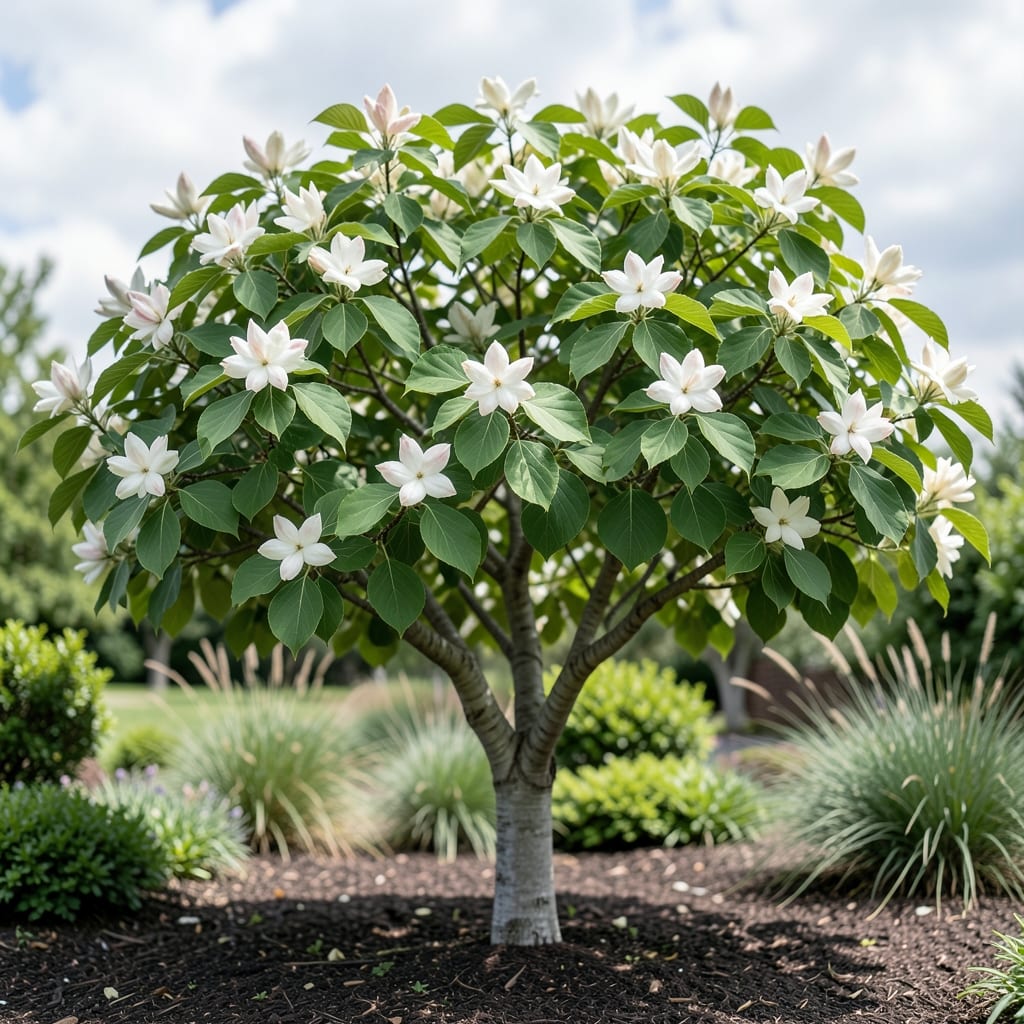
If you're planning your next garden project, knowing how tall a dogwood tree can grow is the key to avoiding a space crunch later. These stunning 🌳 trees—like the iconic flowering dogwood (Cornus florida)—can reach heights of 20 to 30 feet in ideal conditions, making them a showstopper for large yards or woodland edges.
But here’s the twist: not all dogwoods grow that tall. Some cultivars stay compact, perfect for small gardens or urban spaces, while others can sprawl wider than they grow tall. Whether you’re dreaming of a towering shade tree or a delicate ornamental, understanding these height variations helps you pick the perfect fit for your landscape.
Growth isn’t just about genetics—soil quality, sunlight, and even pruning habits play a role. In this guide, I’ll break down the height ranges for popular species and cultivars, plus tips to manage growth if your space has limits. Let’s get started!
From dwarf varieties under 10 feet to native giants stretching toward the sky, dogwoods offer something for every garden. Ready to find your match?


Native dogwood tree height ranges by species and growth habits
Dogwood trees aren’t one-size-fits-all—native species vary dramatically in height, from multi-stemmed shrubs to towering shade trees. The flowering dogwood (Cornus florida), America’s state tree, typically reaches 15 to 30 feet at maturity, while its Pacific Northwest cousin, Pacific dogwood (Cornus nuttallii), can stretch even taller, up to 40 feet in ideal conditions. Understanding these differences helps you choose the right variety for your landscape goals.
Height isn’t just about genetics—soil quality, sunlight exposure, and water availability all play critical roles. For example, flowering dogwoods planted in rich, acidic soil with partial shade grow faster and taller than those struggling in poorly drained or alkaline soils. Even within a species, growth habits differ: some varieties grow upright like a single-trunk tree, while others develop multi-stemmed shrub-like forms.
Below, I’ve broken down the height ranges, growth rates, and key characteristics of the most common native dogwood species to help you visualize their mature sizes and plan accordingly.
| Species Name | Common Name | Mature Height (ft) | Spread (ft) | Growth Rate (in/year) | Sun Requirements | Soil Preferences |
|---|---|---|---|---|---|---|
| Cornus florida | Flowering Dogwood | 15–30 ft | 20–35 ft | 12 in | Full sun to partial shade | Well-drained, acidic |
| Cornus nuttallii | Pacific Dogwood | 20–40 ft | 15–25 ft | 15 in | Partial shade | Moist, well-drained |
| Cornus racemosa | Gray Dogwood | 6–12 ft | 8–15 ft | 8 in | Full sun to partial shade | Adaptable, tolerates clay |
| Cornus sericea | Red-Osier Dogwood | 6–12 ft | 6–10 ft | 10 in | Full sun to partial shade | Moist, tolerates wet soil |
The flowering dogwood (Cornus florida) is the most popular choice for landscapes, thanks to its stunning spring blooms and vibrant fall foliage. However, its height can vary based on growing conditions. In urban settings with limited space, flowering dogwoods may stay closer to 15–20 feet if pruned regularly, while those in wild, undisturbed forests can reach their full 30-foot potential.
On the other hand, red-osier dogwood (Cornus sericea) and gray dogwood (Cornus racemosa) are often multi-stemmed shrubs rather than single-trunk trees. These varieties are perfect for wildlife gardens or naturalistic landscapes, where their 6–12-foot height and widespread canopies create ideal habitats for birds and pollinators. Their bright red winter stems also add seasonal interest.
If you’re planting dogwoods in cooler climates (USDA Zones 3–7), expect slightly slower growth rates, especially for Pacific dogwood, which thrives in the Pacific Northwest’s moist, mild conditions. In contrast, flowering dogwoods in Southern states (Zones 6–9) may grow faster due to longer growing seasons. Always check your local microclimate—urban heat islands, for example, can stress dogwoods and stunt their growth.
For shade lovers, dogwoods are a fantastic choice, but their height means they’ll cast dense shade once mature. If you’re planting near a patio or garden bed, opt for dwarf cultivars (we’ll cover those next) or plan to prune regularly. Just remember: dogwoods are slow to mature, so give them time to establish before expecting full shade benefits.
Pro tip: When selecting a dogwood for your yard, consider not just height but also <
Best small dogwood cultivars under 10 feet for compact gardens
If you love the look of dogwoods but have limited space, don’t worry—there are compact cultivars that deliver all the beauty without the towering height. These dwarf and semi-dwarf varieties stay under 10 feet tall, making them perfect for small yards, urban gardens, or even large containers. Whether you’re looking for prolific blooms, golden foliage, or disease resistance, these cultivars won’t disappoint.
One of my top recommendations is 'Cherokee Brave', a disease-resistant variety that tops out at just 6–8 feet while producing abundant pink spring flowers. It’s also low-maintenance and thrives in partial shade, making it ideal for shady corners or woodland gardens. For a classic look, 'Rutledge' reaches 10–12 feet but maintains a neat, compact form with large white blooms that resemble pearls.
Here are four of the best small dogwood cultivars for compact spaces, along with their key features and care tips:
- 1. 'Cherokee Brave' – 6–8 ft, disease-resistant, pink flowers, thrives in partial shade.
- 2. 'Rutledge' – 10–12 ft, classic dwarf, large white blooms, adaptable to urban settings.
- 3. 'Golden Tiara' – 8–10 ft, golden foliage, compact habit, perfect for accent planting.
- 4. 'Arnold Promise' – 15–20 ft (prunable to 10 ft), early bloomer, white flowers, ideal for small shade trees.
For container gardening, 'Cherokee Brave' and 'Golden Tiara' are excellent choices. Use a large pot (at least 18 inches wide) with well-draining soil and ensure it gets morning sun. In containers, dogwoods may stay slightly shorter but still produce vibrant blooms and colorful fall foliage. Just
If you’re planting in urban environments, consider 'Rutledge' for its tolerance to pollution and compact size. It’s also deer-resistant, making it a great choice for suburban landscapes. For wildlife gardens, these dwarf varieties still attract pollinators and birds, thanks to their nectar-rich flowers and berry-like fruit.
To keep these small dogwoods healthy and compact, prune lightly after flowering to remove dead branches and shape the canopy. Avoid heavy pruning, as it can stress the tree and reduce next year’s blooms. With the right care, these cultivars will thrive for decades, adding year-round interest to your garden without overpowering your space.
🌿