
Size
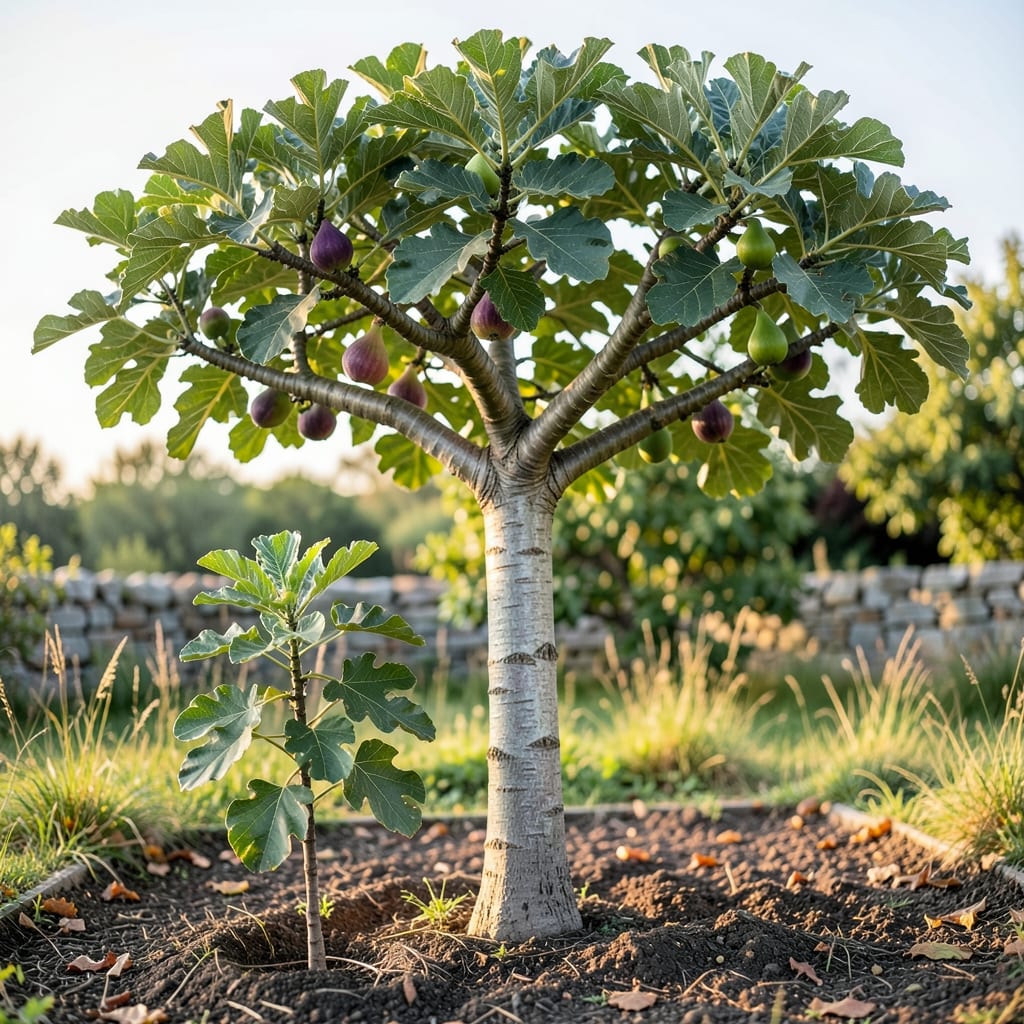
If you're wondering how tall can a fig tree grow, the answer might surprise you—these versatile trees can range from compact 3-foot patio dwarfs to towering 100-foot giants in the wild. Whether you're dreaming of a shade-providing tree or a container-friendly variety for your balcony, fig trees offer options for every space.
The 🌳 fig tree you plant in your backyard could end up as a sprawling 20-foot specimen or stay manageable with the right care. Their growth depends on the variety, climate, and how you prune them. In warmer climates like USDA Zone 6a, some figs grow aggressively, while others thrive as smaller shrubs with proper training.
What's the secret to controlling their height? It's all about choosing the right type and giving them the care they need. From dwarf varieties perfect for containers to standard trees that need space, we'll break down how to get the size you want—without sacrificing those sweet, sun-ripened figs.
Ready to discover which fig tree fits your garden? Let’s explore the factors that shape their growth and how you can shape them too.


Fig tree height variations: dwarf to giant species explained
Fig trees come in a stunning range of sizes, from 3-foot patio dwarfs to 100-foot wild giants. The Ficus carica, or common fig, is the most popular for home gardens, but wild species like Ficus sycomorus can reach staggering heights in ideal conditions. Your choice of variety determines whether your fig tree becomes a container-friendly bush or a shade-providing giant in your yard.
The mature height of a fig tree depends entirely on its genetics, growing conditions, and care. Dwarf varieties stay under 10 feet, while standard cultivars often reach 20–30 feet. Wild figs in tropical climates can surpass 100 feet, creating dense canopies that support entire ecosystems. Even in temperate zones like USDA Zone 6a, some figs grow aggressively if left unchecked.
Here’s a quick look at how different fig tree types compare in height and growth habits:
If you’re planting a common fig (Ficus carica), expect 2–3 feet of growth in the first year, 5–8 feet by year two, and 10–15 feet by year three. Without pruning, many standard varieties will keep growing until they reach their genetic height limit—often between 20–30 feet. In contrast, dwarf varieties like 'Little Miss Figgy' or 'Violette de Bordeaux' stay compact, making them perfect for containers or small spaces.
Wild figs, such as the sycamore fig (Ficus sycomorus), are the true giants of the fig world. These trees thrive in tropical and subtropical climates, where they can grow over 100 feet tall with massive, sprawling canopies. Even in milder climates, some figs grow tall if given enough space, sunlight, and nutrients. For example, a Brown Turkey fig left unpruned in a warm climate can easily reach 25 feet in just a few years.
One key factor in height is whether the fig tree is grown as a single-trunk tree or a multi-trunk shrub. Pruning habits also play a huge role—regular pruning can keep a fig tree at a manageable height, while neglect can lead to an unruly, overgrown specimen. If you’re growing figs in containers, dwarf varieties are your best bet, but even standard figs can be trained to stay smaller with proper care.
For home gardeners, the most common fig trees—like 'Celeste', 'Desert King', or 'Black Mission'—typically reach 15–25 feet at maturity. These are great for providing shade, privacy, or even a focal point in your landscape. If you’re short on space, consider espaliering or training your fig tree vertically along a fence or trellis to control its height while still enjoying its fruit.
Remember, the height of your fig tree isn’t set in stone. With the right pruning techniques, container gardening, or espalier training, you can shape its growth to fit your space perfectly. Whether you want a 3-foot patio tree or a 20-foot shade provider, the choice is yours—and the possibilities are as endless as the varieties themselves.
How to control fig tree height: pruning, training, and container gardening
Want to keep your fig tree from becoming a 20-foot monster? The secret lies in pruning techniques, training methods, and smart container gardening. Even the fastest-growing fig trees can be shaped to fit your space—whether that’s a 3-foot patio tree or a 10-foot espalier along your fence. The key is understanding when and how to intervene without harming the tree’s health or fruit production.
Fig trees respond well to pruning, especially when done at the right time. The best time to prune is late winter or early spring, just before new growth begins. This allows you to shape the tree while it’s still dormant, reducing stress. For dwarf varieties, you can prune lightly throughout the growing season to maintain their compact size, while standard figs may need more aggressive pruning to control their height.
Here’s a step-by-step guide to managing your fig tree’s height, whether you’re working with a container-grown dwarf or a yard-sized standard variety:
- 1 Choose the Right Variety: Start with a dwarf or semi-dwarf variety if space is limited. 'Little Miss Figgy' or 'Celeste' stay under 10 feet, while 'Brown Turkey' can reach 20+ feet if unchecked.
- 2 Prune for Structure: Remove suckers and water sprouts regularly to encourage a single, strong trunk. Cut back overlapping branches to improve airflow and sunlight penetration.
- 3 Use Espalier for Vertical Growth: Train your fig tree to grow flat against a wall or fence by tying branches to a trellis. This method works well for standard varieties and keeps them at a manageable height while maximizing fruit production.
- 4 Container Gardening Tips: If growing in a pot, choose a dwarf variety and use a large container (at least 15 gallons). Prune roots if they circle the pot, and repot every 2–3 years to prevent root-bound stress.
- 5 Avoid Over-Pruning: Never remove more than 25% of the tree’s foliage in one session. Over-pruning can stress the tree and reduce fruit production. Focus on shaping rather than drastic cuts.
For container-grown figs, remember that root space is limited. Use a well-draining potting mix and a container with drainage holes to prevent root rot. If your fig tree outgrows its pot, it’s time to repot or prune the roots gently to encourage bushier growth. In ground, mulch around the base to retain moisture and suppress weeds, which helps the tree focus its energy on controlled upward growth.
One common mistake is pruning too late in the season, which can stimulate new growth that won’t harden off before winter. Always prune before buds swell in early spring. If you’re growing figs in cooler climates (USDA Zone 6a), protect young trees with burlap wraps or frost cloth during winter to prevent dieback, which can affect their height and structure.
With the right approach, you can enjoy a fig tree that fits your space—whether that’s a compact patio tree or a trained espalier along your balcony. The key is consistency in pruning and training, paired with the right variety for your growing conditions. Start small, observe how your tree responds, and adjust your methods as needed.
Ready to shape your fig tree into the perfect size? Grab your pruners and get started—your future 3-foot giant (or 20-foot shade provider) is waiting! 🌱