
How To
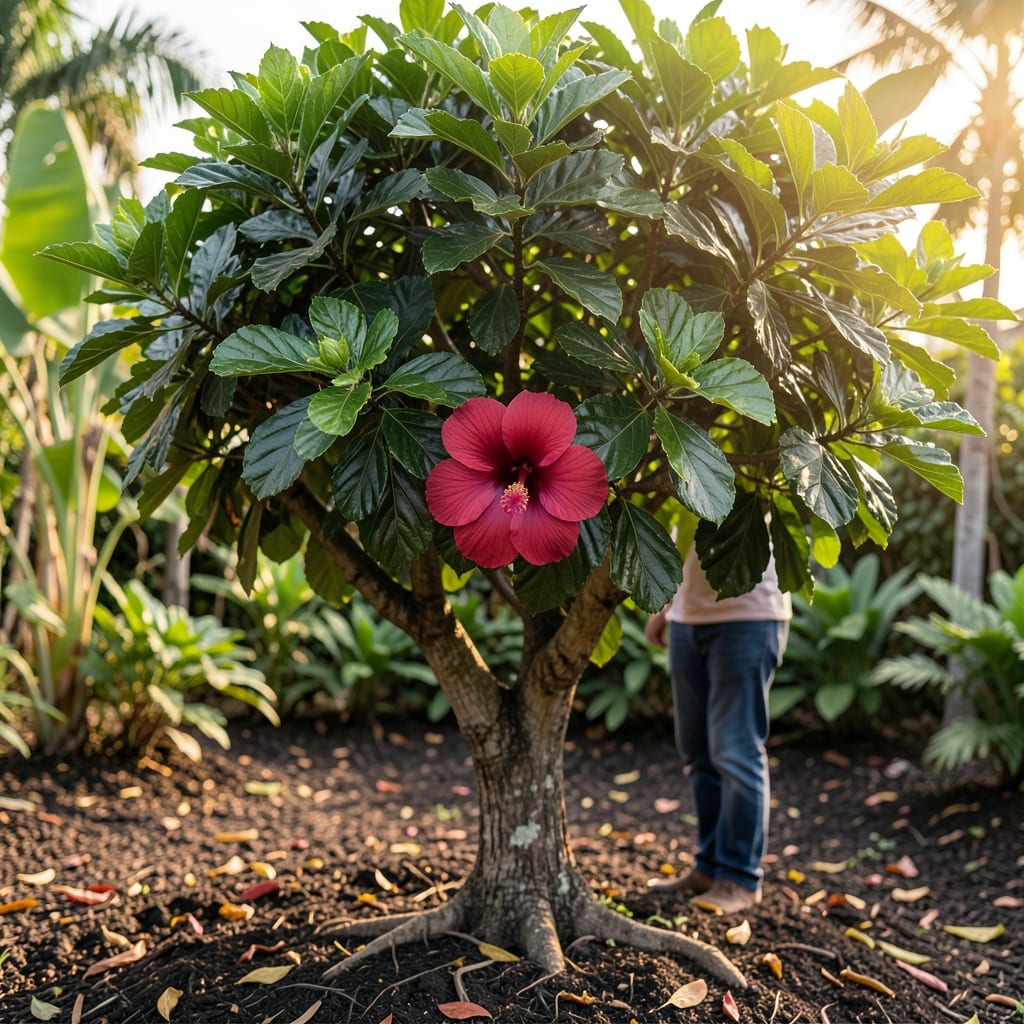
If you've ever wondered how tall can a hibiscus tree grow, the answer might surprise you—these stunning 🌺 beauties can range from compact shrubs to towering giants, depending on the variety and care you provide.
Some tropical hibiscus varieties stay manageable at just 3 to 5 feet, perfect for containers or small gardens, while hardy species like the rose-of-Sharon can stretch up to 15 to 20 feet when left unchecked. The key to controlling their height lies in understanding your climate, pruning habits, and the specific needs of your chosen variety.
Whether you're dreaming of a dramatic backyard centerpiece or a low-maintenance patio plant, knowing how to guide your hibiscus tree's growth will help you create the perfect look for your space. Let's explore the factors that shape their size and how you can influence them.
From dwarf varieties that stay under 6 feet to majestic trees reaching for the sky, your hibiscus can become whatever you envision—with the right care and a little strategic pruning. Ready to discover how?


Hibiscus tree height by variety: dwarf to giant-sized species
When choosing a hibiscus tree, one of the first questions I ask myself is: how tall can it grow? The answer depends entirely on the variety you select. Some hibiscus types stay small enough for containers, while others grow into towering backyard features. Let’s explore the height ranges of popular hibiscus varieties and what they need to thrive.
Tropical hibiscus (Hibiscus rosa-sinensis) is the most common patio variety, typically reaching 3 to 5 feet at maturity. These are perfect for containers or small gardens, offering vibrant blooms year-round in warm climates. Meanwhile, the hardy rose-of-Sharon (Hibiscus syriacus) can soar to 10 to 20 feet, making it a stunning focal point for larger landscapes.
If you’re working with limited space, consider dwarf varieties like 'Little John' or 'Pygmy Pink', which max out at 4 to 6 feet. These are ideal for urban gardens or balconies where vertical growth is a concern. For dramatic impact, the swamp hibiscus (Hibiscus moscheutos) can grow up to 12 feet in the right conditions, thriving in wetter climates.
Here’s a quick comparison of popular hibiscus varieties and their mature heights to help you decide which fits your space:
| Variety | Mature Height | Growth Habit | Ideal Climate |
|---|---|---|---|
| Tropical Hibiscus | 3–5 ft | Compact, bushy | USDA Zones 10–11 |
| Rose-of-Sharon | 10–20 ft | Tall, upright | USDA Zones 5–9 |
| Swamp Hibiscus | 6–12 ft | Clumping, wide | USDA Zones 5–9 (wet soils) |
| Hardy Hibiscus | 5–8 ft | Bushy, multi-stemmed | USDA Zones 5–9 |
| Dwarf Varieties (e.g., 'Little John') | 3–6 ft | Compact, container-friendly | USDA Zones 10–11 (or pots) |
| Hibiscus mutabilis | 8–12 ft | Upright, multi-trunked | USDA Zones 7–10 |
For those in cooler climates, hardy hibiscus varieties like Hibiscus syriacus are excellent choices, as they can handle temperatures down to -20°F and still reach impressive heights. If you’re in a tropical or subtropical zone, tropical hibiscus will thrive outdoors year-round, while hardy types may need winter protection or container growing.
Pro tip: Always check the specific variety’s tag for exact height expectations, as some hybrids can vary. For example, a tropical hibiscus grown in a container will stay smaller than one planted in the ground with ample space to spread. The same goes for pruning—regular trimming can keep even large varieties manageable.
If you’re planning your garden layout, consider the mature height of your hibiscus to avoid overcrowding. Place taller varieties like rose-of-Sharon at the back of borders or as standalone specimens, while dwarf types can edge walkways or brighten small spaces. With the right variety and care, your hibiscus can become the star of your outdoor space—no matter how tall you want it to grow!
How pruning affects hibiscus tree height: when and how to control growth
One of the most effective ways to control how tall your hibiscus tree grows is through pruning. Whether you want a compact patio plant or a towering backyard feature, strategic pruning can shape your hibiscus to fit your space perfectly. The key is understanding when and how to prune—timing makes all the difference in maintaining the height and health of your plant.
For most hibiscus varieties, the best time to prune for height control is late winter or early spring, just before new growth begins. This timing encourages vigorous spring growth while keeping your plant at your desired height. If you prune too late in the season, you risk reducing next year's blooms. For tropical hibiscus, which bloom year-round in warm climates, you can prune lightly after major flowering periods to maintain shape.
When it comes to how much to prune, aim to remove about one-third of the plant's height during the first pruning session. This encourages bushier growth and prevents your hibiscus from becoming leggy. For example, if your rose-of-Sharon is reaching 15 feet and you want it at 10 feet, cut back the tallest stems by about 5 feet to promote new growth from lower branches.
Here’s a simple step-by-step guide to pruning your hibiscus for height control:
- Step 1: Wait until late winter or early spring, just before new growth starts.
- Step 2: Use clean, sharp pruning shears or loppers to make cuts just above a leaf node or bud.
- Step 3: Remove about one-third of the plant's height to encourage bushier growth.
- Step 4: For tropical hibiscus, prune lightly after major flowering to maintain shape.
- Step 5: Dispose of pruned branches properly to prevent disease spread.
Aggressive pruning can significantly reduce the height of your hibiscus, but it’s important to balance this with the plant’s natural growth habits. If you prune too aggressively, you might sacrifice some blooms, as hibiscus flowers often form on new growth. For example, if you prune a swamp hibiscus too hard in early spring, it may take longer to recover and produce its signature large blooms.
Regular pruning also helps maintain the overall health of your hibiscus by improving air circulation and reducing the risk of pests and diseases. For container-grown hibiscus, pruning is even more critical, as root-bound plants grow more slowly and benefit from occasional trimming to encourage compact growth. With the right pruning techniques, you can keep even the tallest hibiscus varieties under control while still enjoying their stunning flowers.
Remember, hibiscus trees are forgiving, and even if you prune at the wrong time, they’ll often bounce back with proper care. Start with light pruning and adjust based on how your plant responds. Before you know it, your hibiscus will be the perfect height for your garden—whether that’s a 3-foot patio plant or a 10-foot backyard statement piece!