
How To
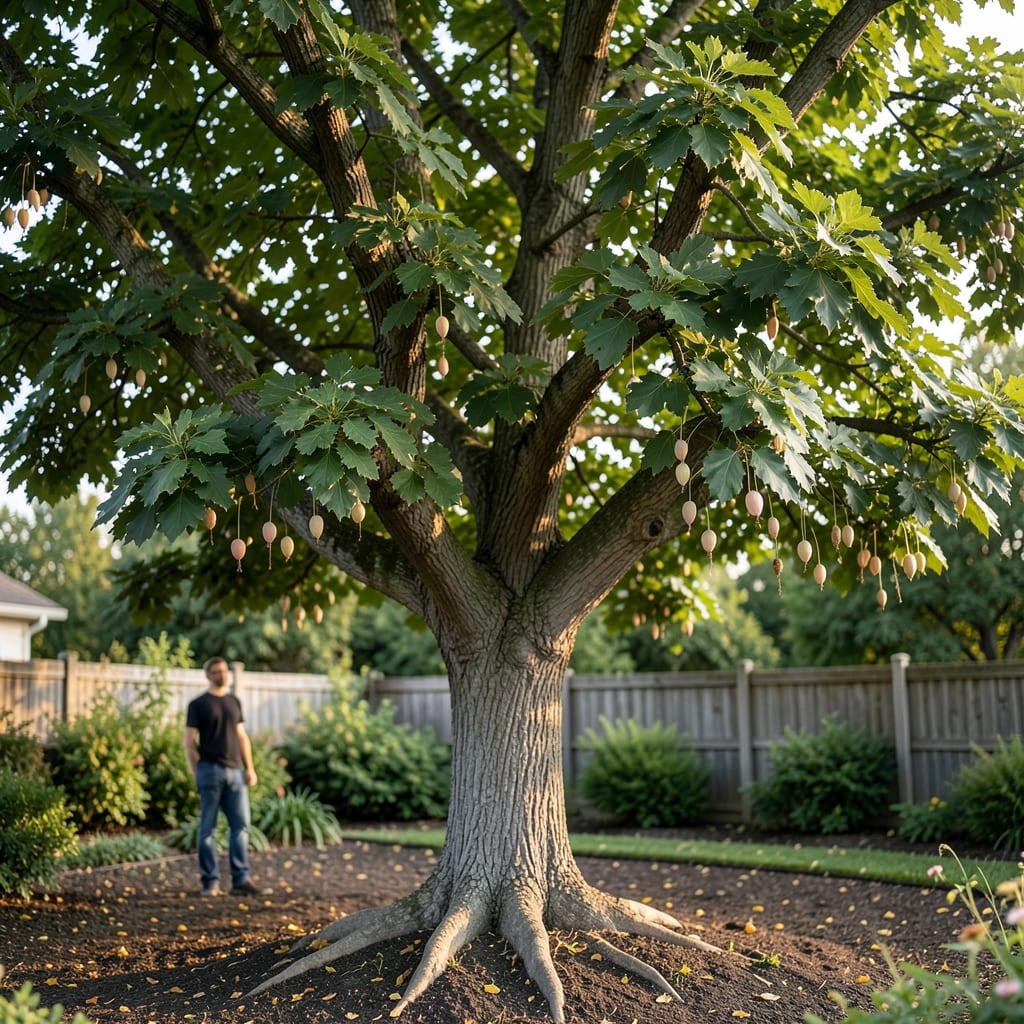
If you’ve ever wondered how tall a mulberry tree can grow—soaring like a living skyscraper or dominating your backyard—you’re not alone. The truth is, these fast-growing giants can reach 60 feet tall, but with the right pruning tricks, you can shape them into a manageable, fruit-filled centerpiece, even in small spaces.
Not all mulberries are created equal. Some varieties stay compact, perfect for urban gardens, while others grow aggressively, making them better suited for sprawling landscapes. Whether you’re after sweet berries or just love the lush foliage, knowing which type fits your space—and how to control its height—is the key to success.
Here’s the game-changer: pruning isn’t just about keeping your tree in check—it’s about unlocking its full potential. Learn when to trim, how to encourage bushier growth, and which tools make the job easier. By the end, you’ll know exactly how to turn a potential backyard monster into a well-behaved, productive tree.
Ready to discover the fastest-growing varieties and the secrets to keeping them under control? Let’s dive in and find the perfect mulberry for your garden—no matter how big (or small) your space may be.


Mulberry tree height by variety: from 10-Foot dwarfs to 60-Foot giants
Mulberry trees (Morus spp.) are famous for their rapid growth and towering height—but not all varieties reach for the sky. While some wild mulberries can shoot up to 60 feet in ideal conditions, others stay neatly under 15 feet, making them perfect for urban gardens or small backyards. The key difference? Species selection and pruning habits. Let’s break down the height ranges so you can pick the perfect mulberry for your space.
First, the giants: The white mulberry (Morus alba) and black mulberry (Morus nigra) are the fastest growers, often hitting 40–60 feet in just 10–15 years. These varieties thrive in rural settings with plenty of space, but they’re also the ones that need aggressive pruning to keep them manageable. If you’re dreaming of a shade tree or a privacy screen, these are the go-to choices—just be ready for some heavy-duty maintenance.
Then there are the mid-sized options like the Illinois Everbearing mulberry, which typically grows to 25–35 feet. This variety is a favorite among home gardeners because it balances fruit production with manageable height. It’s also cold-hardy, making it ideal for USDA zones 5–9. If you want a statement tree without the skyscraper commitment, this is your best bet.
For small spaces, the Texas Dwarf mulberry (Morus microphylla) is a game-changer. This variety maxes out at 10–15 feet, making it perfect for patios, balconies, or even large containers. It’s also drought-tolerant once established, which is a huge plus for low-maintenance gardeners. Plus, its sweet, small berries are perfect for snacking or jams.
Here’s the shocking truth: Even the tallest mulberry trees can be pruned into bush-like shapes if you start early. Many gardeners turn their 60-foot monsters into fruit-laden shrubs by using open-center pruning techniques. This not only controls height but also boosts berry production by improving airflow and sunlight penetration.
| Variety | Mature Height | Growth Rate | Best For | Climate Zones |
|---|---|---|---|---|
| White Mulberry (Morus alba) | 40–60 ft | Fast (3–5 ft/year) | Shade trees, large landscapes | 5–9 |
| Black Mulberry (Morus nigra) | 30–50 ft | Moderate (2–4 ft/year) | Ornamental, fruit production | 6–9 |
| Illinois Everbearing | 25–35 ft | Moderate (2–3 ft/year) | Small yards, fruit harvests | 5–9 |
| Texas Dwarf (Morus microphylla) | 10–15 ft | Slow (1–2 ft/year) | Containers, urban gardens | 7–10 |
| Red Mulberry (Morus rubra) | 30–40 ft | Moderate (2–3 ft/year) | Native landscapes, wildlife | 4–9 |
If you’re planting in a small yard, the Texas Dwarf or Illinois Everbearing are your safest bets. But if you’re willing to prune aggressively, even a 60-foot giant can be shaped into a fruit-filled bush. Just remember: pruning in late winter (before buds swell) is the best time to control height without stressing the tree.
One common mistake is assuming all mulberries grow tall. Many nurseries sell unlabeled saplings, and some of these turn into unmanageable monsters if left unchecked. Always ask for dwarf varieties if space is limited, or be prepared to prune like a pro. The good news? Mulberries respond well to pruning, so you can shape them however you like—whether that’s a tall shade tree or a low, bushy fruit factory.
For fastest growth, mulberries thrive in full sun and well-draining soil. If
Pruning secrets to control mulberry tree height: step-by-step guide for small yards
Pruning isn’t just about keeping your mulberry tree from becoming a backyard skyscraper—it’s about shaping it into a productive, manageable plant. With the right techniques, you can reduce a 60-foot giant to a fruit-bearing bush in just a few seasons. The key is timing, tools, and knowing which branches to cut. Let’s break down the essential pruning steps to control height while maximizing berry production.
First, prune in late winter or early spring (before buds swell) to control height without stressing the tree. This is when mulberries are dormant and can handle aggressive cuts. Avoid pruning in summer or fall, as this can stimulate weak growth that won’t survive winter. Use sharp bypass pruners for branches under 1 inch thick, and a pruning saw for thicker limbs. Always sterilize your tools with rubbing alcohol to prevent disease.
Here’s the step-by-step pruning guide to keep your mulberry tree in check:
- Step 1: Remove Dead or Diseased Branches
Start by cutting out any dead, broken, or diseased wood. Look for branches with no leaves, cracks, or fungus growth. These not only look unsightly but can spread disease to healthy parts of the tree. - Step 2: Thin the Canopy
Selectively remove 10–20% of the tree’s branches to improve airflow and sunlight penetration. Focus on crossing branches or those growing inward, as these compete for resources and can lead to poor fruit production. - Step 3: Head Back Tall Shoots
To control height, cut back the tallest vertical shoots by one-third to one-half. This encourages bushier growth and more fruit-bearing branches. Make cuts just above a bud or side branch to promote new growth. - Step 4: Shape for Fruit Production
Mulberries produce fruit on new wood, so prune to encourage fresh growth. Use the open-center method: Remove the center branches to create an open vase shape, allowing sunlight to reach the inner fruit clusters. - Step 5: Repeat Annually
Prune every year in late winter to maintain shape and prevent height spikes. Over time, you’ll train your mulberry to stay at your desired height—whether that’s 10 feet for a patio tree or 25 feet for a small yard.
One common mistake is over-pruning in summer, which can stress the tree and reduce fruit production. Another pitfall is leaving stubs—always cut branches just outside the branch collar (the swollen area where the branch meets the trunk) to prevent disease. If you’re new to pruning, start small: remove only 20% of the tree’s branches in your first session to avoid shocking the plant.
For extra-compact growth, try the pollarding technique: Cut back major branches to a stub (about 3–6 feet from the ground) in late winter. This forces the tree to regrow into a dense, bushy shape with thick, fruit-laden branches. It’s a radical method but works wonders for urban gardens where space is limited.
Remember, mulberries are fast growers, so prune regularly to keep them in check. With patience and the right techniques, you can turn even the tallest mulberry into a well-behaved, fruit-filled beauty—no matter how small your space. 🌱