
Size
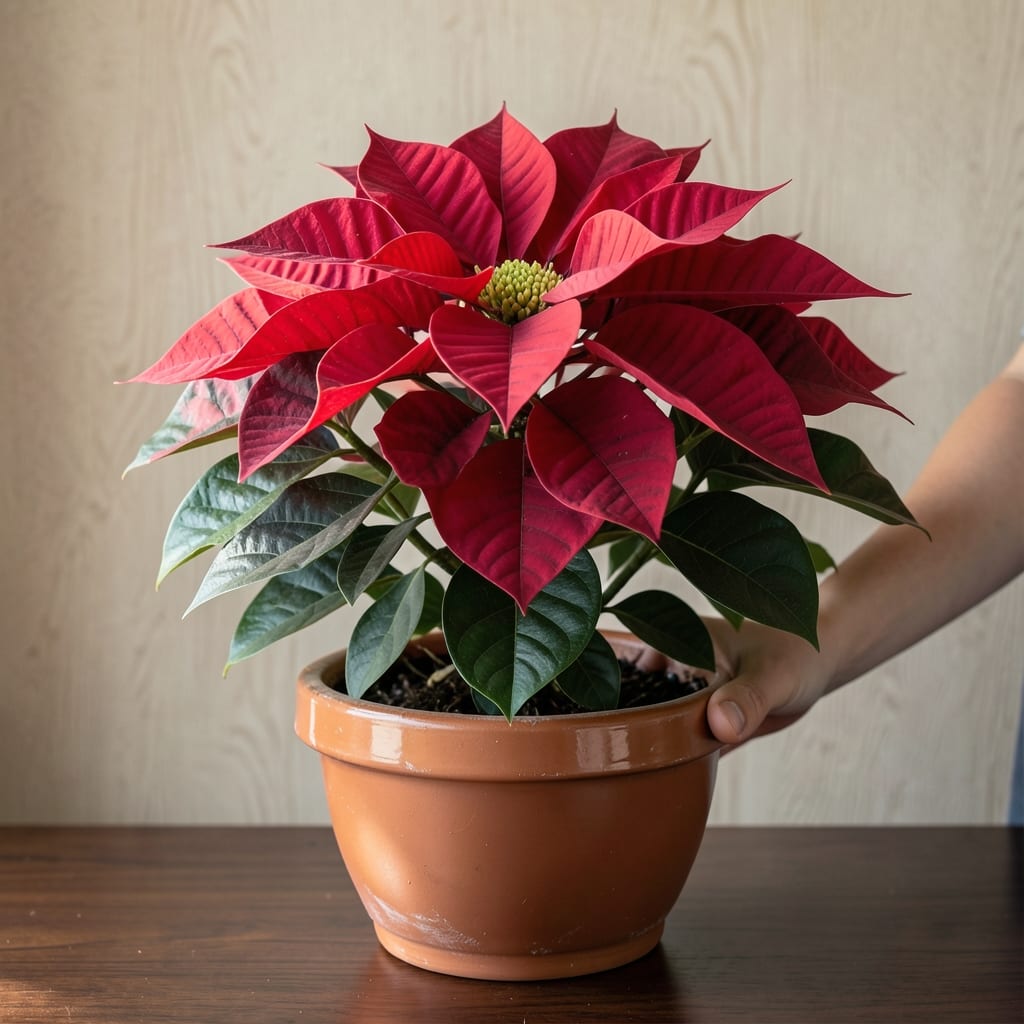
Poinsettia height ranges by popular variety (and what affects them)
Poinsettias (Euphorbia pulcherrima) are famous for their bold colors and festive vibes, but their height potential can surprise you. Most varieties grow between 1 to 4 feet, but the final size depends on the variety, light exposure, and pruning habits. For example, the classic Premium Red can reach 3 to 4 feet indoors, while dwarf varieties like Compacta stay under 2 feet. Understanding these differences helps you choose the perfect poinsettia for your space.
If you’re dreaming of a tall poinsettia as a dramatic centerpiece, focus on standard varieties like Jingle Bells or White Christmas, which thrive with proper care. Meanwhile, miniature varieties like Winter Rose are ideal for tables or shelves. The key to maximizing height lies in light conditions, soil quality, and seasonal care—all of which we’ll explore in detail below.
| Variety | Mature Height | Best For | Care Tips |
|---|---|---|---|
| Premium Red | 3–4 ft | Holiday centerpieces | Needs bright light; prune early for bushiness |
| Jingle Bells | 2–3 ft | Indoor displays, gifts | Tolerates lower light; pinch back for compact growth |
| White Christmas | 3–4 ft | Elegant arrangements | Requires consistent moisture; avoid cold drafts |
| Compacta | 1–2 ft | Tables, shelves, gifts | Ideal for small spaces; minimal pruning needed |
| Winter Rose | 1.5–2.5 ft | Bouquets, small pots | Thrives in cool rooms; rotate for even growth |
The light conditions in your home play a huge role in determining how tall your poinsettia grows. These plants crave bright, indirect light—think 6 to 8 hours daily near an east- or west-facing window. Without enough light, poinsettias stretch toward the sun, a condition called etiolation, which weakens stems and reduces height. Place your plant 2 to 3 feet from the window to balance growth and color vibrancy.
Another critical factor is soil and nutrients. Poinsettias thrive in well-draining, slightly acidic soil (pH 6.0 to 6.5). If your soil lacks nutrients, your plant may grow taller but leggier, with fewer vibrant bracts. Feed your poinsettia with a balanced fertilizer (5-10-5) every 4 to 6 weeks during the growing season (spring to early fall) to encourage sturdy, compact growth.
Pruning is your secret weapon for controlling height. If you want a shorter, bushier poinsettia, pinch back the tips of new growth when the plant is 6 to 8 inches tall. This encourages lateral branching, resulting in a fuller, more compact shape. For a taller poinsettia, avoid pruning and let it grow naturally. Just remember: prune in spring or early summer—never after mid-August, as this can delay fall blooming.
Seasonal changes also impact height. Poinsettias grow most actively in spring and summer, with height gains of 1 to 2 inches per week under ideal conditions. However, as temperatures drop in fall, growth slows to focus on bract development (those colorful leaves!). If you’re growing poinsettias outdoors in USDA Zone 9 or warmer, they can reach their full height year-round, but indoor plants typically peak in late fall before blooming.
One common misconception is that poinsettias grow taller outdoors than indoors. While outdoor plants may reach their maximum height faster due to natural light cycles, indoor poinsettias can still thrive with the right care. The key is consistency: maintain stable temperatures (65–75°F), avoid drafts, and keep humidity moderate (around 40–50%). With these conditions, even indoor poinsettias can hit their full height potential.
How to control poinsettia height: pruning & care tips for compact or tall growth
Want to shape your poinsettia into a tabletop treasure or a floor-filling statement piece? The secret lies in timely pruning and light management. Unlike many plants, poinsettias respond dramatically to pruning when done correctly. For compact growth, start pinching back the top sets of leaves when your plant reaches 6 inches tall. This encourages lateral branching, creating a bushier, more proportional shape. Repeat this every 2 to 3 weeks until summer to maintain control over height.
If you’re aiming for a taller poinsettia, the approach is simpler: avoid pruning entirely and focus on optimal light exposure. Place your plant near a south-facing window (with sheer curtains to filter harsh rays) or under grow lights for 12 to 14 hours daily. This promotes vertical growth while keeping stems sturdy. Just be cautious—overly tall poinsettias can become top-heavy and flop under their own weight, especially if grown indoors.
Seasonal care is just as critical as pruning. During spring and summer, when poinsettias grow most actively, water deeply but infrequently—allow the top inch of soil to dry between waterings. Overwatering leads to root rot and stunted growth, while underwatering causes leggy, weak stems. In fall, reduce watering slightly as growth slows, but keep the soil moist (not soggy) to support bract development.
Temperature plays a sneaky role in height control too. Poinsettias thrive in 65–75°F conditions, but drafts from windows or vents can stress the plant, leading to uneven growth. If you’re growing outdoors in USDA Zone 9+, protect your poinsettia from midday sun (which can scorch leaves) and chilly nights (below 50°F), both of which can stunt height. For indoor plants, avoid placing them near heating vents or air conditioning units, as temperature fluctuations disrupt growth patterns.
One pro tip for taller poinsettias: Rotate your plant quarter-turns weekly to ensure even light exposure on all sides. This prevents lopsided growth and encourages straight, sturdy stems. For compact varieties, you can even top the plant in early summer to reset growth and promote a fuller shape. Just remember—stop all pruning by mid-August to ensure your poinsettia blooms on schedule for the holidays.
Finally, don’t overlook the power of container size. Poinsettias in smaller pots (like 6-inch containers) naturally stay shorter and bushier, while those in 10-inch or larger pots have room to grow taller. If you’re repotting, choose a container just 1 to 2 inches larger than the current one to avoid overwhelming the plant’s root system. With these techniques, you’ll have a poinsettia that’s exactly the height and shape you’ve always wanted—whether it’s a dwarf tabletop display or a showstopping holiday giant. 🎄