
How To
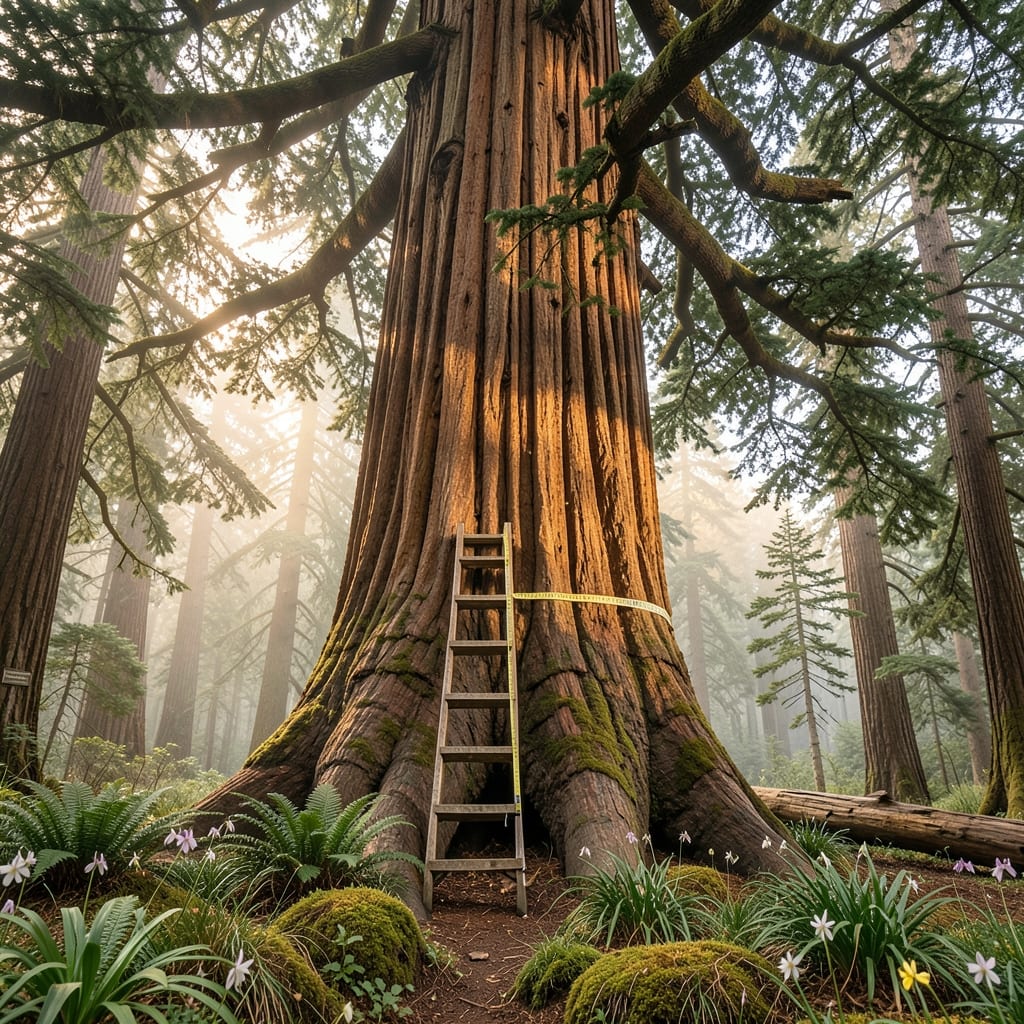
The staggering heights of sequoia trees: record-breaking giants explained
When you think of towering trees, sequoias immediately come to mind. These ancient giants aren’t just impressive—they’re the undisputed champions of height in the plant kingdom. The tallest known coast redwood (Sequoia sempervirens) stands at a jaw-dropping 379 feet, while the massive giant sequoia (Sequoiadendron giganteum) can reach up to 275 feet in height. To put that into perspective, that’s taller than a 30-story building!
But how do these trees achieve such staggering heights? It’s a combination of ideal growing conditions, genetic adaptations, and sheer resilience. Coast redwoods thrive in the foggy, mild climates of California’s coast, while giant sequoias prefer the drier, mountainous regions of the Sierra Nevada. Both species have evolved to maximize their vertical growth, making them the perfect subject for understanding nature’s skyscrapers.
The tallest tree ever recorded, named Hyperion, is a coast redwood standing at 380.1 feet tall. Discovered in 2006, its exact location remains a closely guarded secret to protect it from damage. Meanwhile, the most massive tree by volume is the General Sherman giant sequoia, weighing in at a staggering 2.7 million pounds. These records highlight just how extraordinary sequoias truly are.
| Species | Max Height | Location | Key Record |
|---|---|---|---|
| Coast Redwood (Sequoia sempervirens) | 379 ft | California Coast | Hyperion (380.1 ft) |
| Giant Sequoia (Sequoiadendron giganteum) | 275 ft | Sierra Nevada | General Sherman (2.7M lbs) |
| Comparison to Other Trees | N/A | Sequoias surpass oak, pine, and maple | Tallest trees on Earth |
What makes sequoias so uniquely tall? One key factor is their rapid early growth. Young sequoias can grow 3-4 feet per year under ideal conditions, though their growth slows as they mature. Their thick, fire-resistant bark also plays a role—they’ve evolved to thrive in wildfires, which clear competing vegetation and release nutrients from fallen trees. This adaptation allows sequoias to dominate their ecosystems for centuries.
The soil conditions in their native habitats are another critical factor. Sequoias prefer well-draining, slightly acidic soil rich in organic matter. The foggy coastal climates provide consistent moisture without the need for excessive rainfall, while the mountainous regions offer cool temperatures and abundant rainfall during the growing season. Together, these conditions create the perfect environment for vertical expansion.
Interestingly, sequoias also have a unique root system. While they don’t have deep taproots like some trees, their shallow, widespread roots anchor them securely and allow them to absorb water efficiently from the surface. This adaptation helps them survive in their often dry or foggy environments while still achieving incredible heights.
For gardeners dreaming of growing their own sequoia, it’s important to note that these trees require significant space and long-term commitment. A mature sequoia can spread 30-70 feet wide at its base, making them unsuitable for most residential yards. However, younger sequoias can be a stunning focal point in large gardens or parks, provided they have the right conditions.
If you’re captivated by the idea of growing a sequoia, start small with a young sapling and give it the space it needs to thrive. With patience and the right care, you could one day have your own piece of living history growing in your backyard—just don’t expect it to reach skyscraper heights overnight! 🌲
How do sequoias grow so tall? The science of vertical expansion
Sequoias don’t just grow tall—they defy physics with their towering heights. Their vertical expansion is a marvel of biology and ecology, driven by ideal conditions and evolutionary adaptations. Unlike many trees, sequoias thrive in mountainous, fire-prone environments, where their resilience becomes their superpower. Understanding these factors helps explain why they reach 300+ feet while other trees remain stunted.
The secret starts with their root systems. Sequoias develop shallow but expansive roots, spreading wide to anchor themselves against winds and absorb moisture from a large area. This allows them to compete aggressively for resources, even in nutrient-poor soils. Their roots also regenerate quickly after fires, a trait that keeps them dominant in their ecosystem.
Sequoias spread roots horizontally to stabilize against winds and access moisture. Their shallow roots regenerate quickly after fires, ensuring survival and rapid regrowth.
Their thick, fibrous bark and wide xylem vessels transport water efficiently, even to the highest branches. This adaptation prevents dehydration in dry climates.
Needle-like leaves reduce water loss while maximizing sunlight absorption. Their dense foliage creates a microclimate, retaining moisture and supporting rapid vertical growth.
Fire stimulates growth by clearing competitors and releasing nutrients. Their thick bark insulates the trunk, while serotinous cones release seeds only after heat exposure.
Another critical factor is their photosynthesis efficiency. Sequoias have evolved to thrive in cool, foggy climates, where they can absorb moisture from the air through their leaves. This allows them to grow in areas with limited rainfall, a trait that sets them apart from many other tree species. Their needle-like foliage minimizes water loss while maximizing sunlight capture, fueling their rapid vertical expansion.
Finally, the role of fire in their lifecycle cannot be overstated. Unlike many trees that succumb to wildfires, sequoias thrive after burns. Fire clears competing vegetation, releases nutrient-rich ash into the soil, and triggers the release of seeds from their cones. This fire-dependent regeneration ensures that sequoias dominate their ecosystems, continuing their upward growth for centuries.
For gardeners dreaming of growing sequoias, understanding these biological advantages is key. While you can’t replicate a mountainous forest ecosystem in your backyard, mimicking their soil drainage, sunlight exposure, and fire-resistant conditions can help nurture a healthy young tree. The journey from a 2-foot sapling to a 300-foot giant takes patience—but the science behind it is what makes sequoias nature’s true skyscrapers. 🌲