
Size
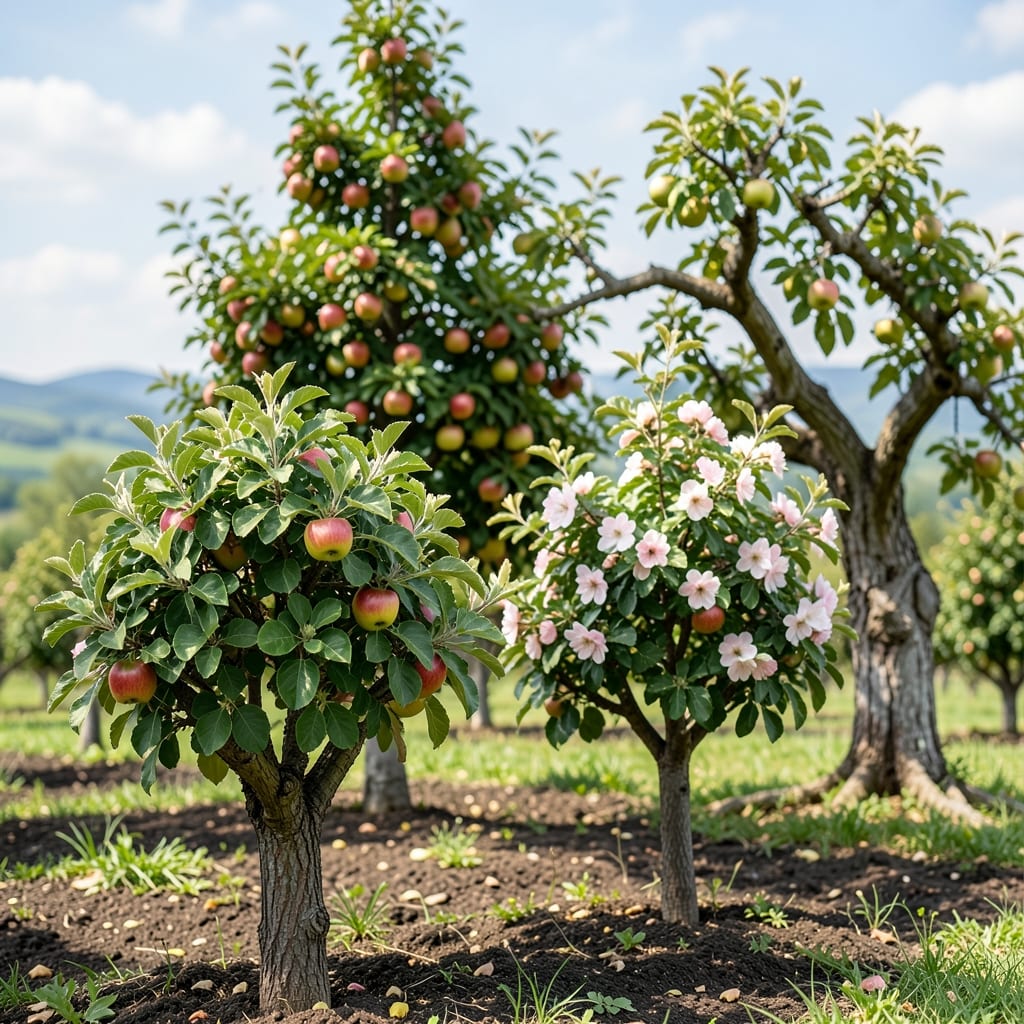
If you’ve ever wondered how tall apple trees can grow, the good news is you’ve got options—from waist-high dwarfs to towering giants that stretch toward the sky.
Apple trees aren’t one-size-fits-all; their height depends entirely on the variety you choose. Some stay neatly under 10 feet, perfect for small gardens or even containers, while others can grow into 60-foot monsters that need acres to spread their branches. The key? Understanding the differences between dwarf, semi-dwarf, and standard varieties—and how to manage their growth for the best harvest.
Whether you’re a beginner with limited space or an experienced gardener planning an orchard, knowing how tall your apple tree can grow helps you pick the right fit. I’ll break down the heights by variety, share tips to control growth, and help you decide which type will thrive in your yard—without taking over it.
Ready to turn your backyard into a fruitful paradise? Let’s explore how to choose the perfect apple tree for your space—and your future harvest.


Apple tree height by variety: dwarf to standard to giant sizes explained
Apple trees come in a stunning range of sizes, and the variety you choose will determine whether your tree stays at waist height or stretches toward the sky. The key factor? Rootstock—the underground part of the tree that controls growth. Dwarf varieties stay under 10 feet, while standard trees can reach 30 feet or taller, and some heirloom varieties even hit 60 feet.
Understanding these categories helps you plan your orchard or backyard garden. A dwarf apple tree fits perfectly in a small yard or even a large container, while a standard tree needs plenty of space to spread its branches. Let’s break down the height ranges and what they mean for your gardening goals.
🍎 Visual Guide: Apple Tree Heights at a Glance
Dwarf apple trees are the perfect choice for urban gardeners or those with limited space. Varieties like 'Columnar' or 'Patriot' stay under 10 feet and produce abundant fruit without taking over your yard. These trees are grafted onto dwarfing rootstock like M.9 or B.9, which restricts their growth while keeping the fruit-bearing top vigorous.
Semi-dwarf apple trees strike a balance, reaching 12–20 feet at maturity. They’re ideal for medium-sized yards and require 12–15 feet of space between trees. Rootstocks like MM.106 or MM.111 are commonly used for these varieties, offering a compromise between manageable size and high yield.
Standard apple trees are the classic orchard giants, growing 20–30 feet tall. They need ample space—20–25 feet between trees—to support their wide canopies. These trees are often grafted onto seedling rootstock or MM.104, which allows them to grow tall and robust. While they require more space, they’re perfect for traditional orchards or rural properties.
For those dreaming of a towering apple tree, heirloom or giant varieties can reach 40–60 feet. These trees are often grown on unrestricted rootstock or wild seedling stock, allowing them to grow to their full potential. However, they need acres of space and are best suited for farmland or large estates. Varieties like 'Granny Smith' or 'Jonagold' can achieve these heights when given the right conditions.
Choosing the right size isn’t just about space—it’s also about fruit quality and yield. Smaller trees fruit earlier and may produce more apples per square foot than their taller counterparts. Meanwhile, larger trees can bear fruit for decades, making them a long-term investment for serious gardeners.
If you’re unsure which size to choose, consider your yard dimensions, pruning goals, and desired harvest quantity. A dwarf tree might be the best fit for a balcony, while a semi-dwarf could thrive in a suburban backyard. For those with acres to spare, a standard or giant tree could become the centerpiece of your orchard.
🌱 Ready to pick the perfect apple tree? Start by measuring your space and researching rootstock options to ensure your tree grows to the ideal height for your needs.
Best dwarf apple trees for small gardens and containers (under 10 feet)
If you love the idea of growing apples but have limited space, dwarf apple trees are your perfect solution. These compact varieties stay under 10 feet tall and thrive in small gardens, containers, or even urban balconies. The secret to their manageable size? Dwarfing rootstock like M.9 or B.9, which restricts root growth while keeping the top vigorous and productive.
Dwarf apple trees aren’t just space-savers—they also fruit earlier than their taller counterparts, often producing harvestable apples within 2–3 years of planting. Plus, their smaller size makes them easier to prune, harvest, and maintain, even for beginner gardeners. Let’s explore the top dwarf varieties that will turn your tiny space into a fruitful orchard.
🌱 Top 5 Dwarf Apple Trees for Small Spaces
- 🍎 'Columnar' – Grows 8–12 ft tall and just 2–3 ft wide, perfect for narrow spaces. Produces heavy crops of sweet apples like 'Red Delicious' or 'Fuji'.
- 🍎 'Patriot' – Disease-resistant and self-pollinating, reaching 6–8 ft. Ideal for containers or small yards with red, crisp apples.
- 🍎 'Liberty' – A fire blight-resistant variety that stays under 8 ft and produces juicy, sweet-tart apples perfect for fresh eating.
- 🍎 'Zestar!' Series – Compact (6–8 ft) and self-pollinating, with varieties like 'Zestar!' (red) and 'Zestar!' (gold). Great for urban orchards.
- 🍎 'Sansa' – A columnar habit reaching 8–10 ft, producing crunchy, sweet apples with minimal pruning. Perfect for balconies or patios.
When choosing a dwarf apple tree, consider whether it’s self-pollinating or needs a pollination partner. Some varieties, like 'Patriot' or 'Zestar!', can pollinate themselves, while others may need a second tree within 50 feet for cross-pollination. For containers, opt for 5–10 gallon pots with drainage holes and use a balanced fertilizer like 10-10-10 every 4–6 weeks during the growing season.
Container-growing tips: Place your dwarf apple tree in a sunny spot with at least 6–8 hours of sunlight daily. Water deeply when the top 1–2 inches of soil feel dry, and mulch around the base to retain moisture. In winter, move potted trees to a protected location if temperatures drop below 10°F.
For the best results, plant your dwarf apple tree in well-draining soil with a slightly acidic pH (6.0–7.0). Amend heavy clay soil with compost or sand to improve drainage. With the right care, your dwarf apple tree can produce abundant fruit for decades—all while staying neatly within your space constraints.
🪴 Ready to grow apples in small spaces? Start with a dwarf variety, pair it with the right pollination partner, and watch your tiny garden become a fruitful haven.