
Succulent
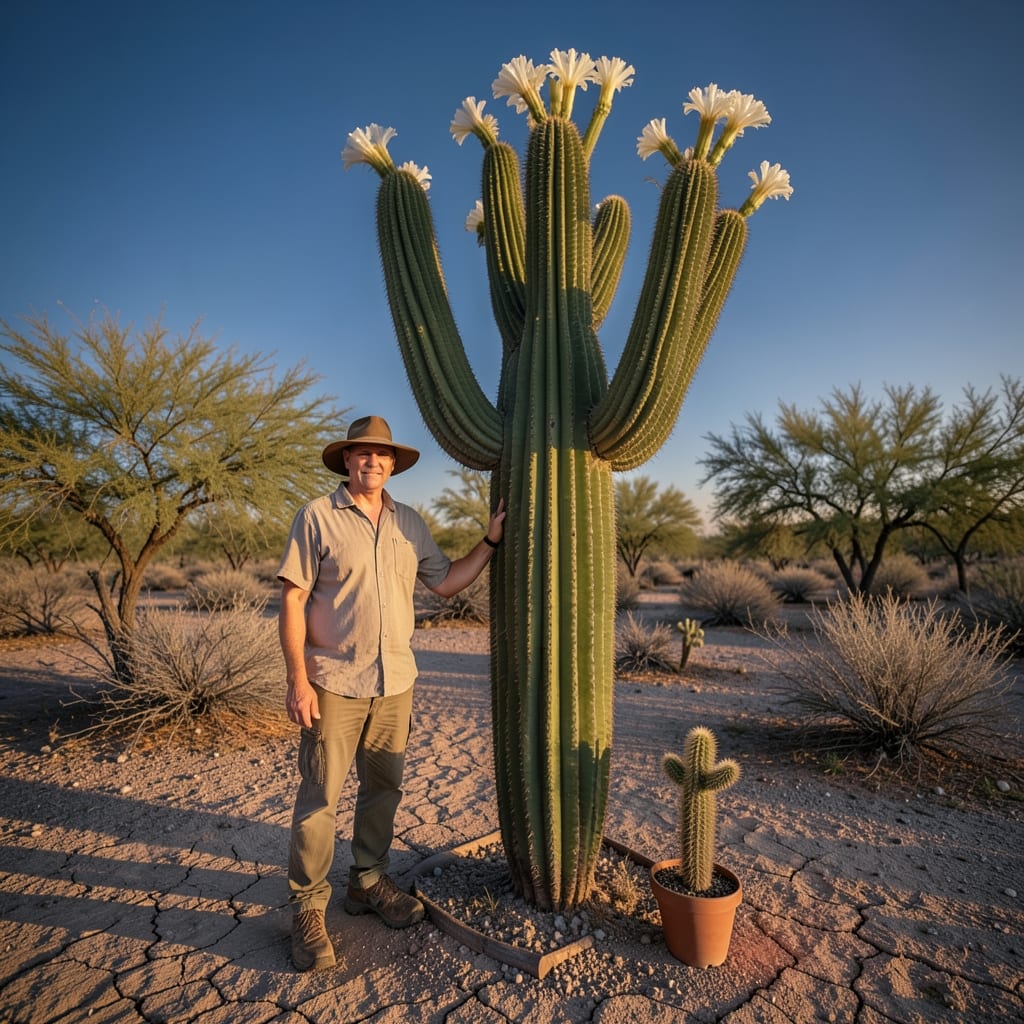
If you’ve ever spotted a 🌵 cactus stretching toward the sky and wondered, "How tall can cactus grow?"—the answer might surprise you. Some stay as small as your palm, while others tower like desert skyscrapers, reaching heights that dwarf even the tallest humans. The secret lies in their species, growing conditions, and a little patience.
Picture this: a Mammillaria cactus, barely taller than a soda can, sitting next to a Saguaro, which can grow over 60 feet—that’s taller than a two-story house! Whether you’re dreaming of a tiny desk companion or a dramatic backyard centerpiece, understanding these extremes is the first step to growing the perfect cactus for your space.
But here’s the catch: not all cacti grow at the same speed. Some species, like the Pachycereus, can add a foot or more per year under ideal conditions, while others creep along at a snail’s pace. The right balance of sunlight, soil, and water can turn a slow grower into a lush, towering specimen—or keep a fast grower in check if you prefer a manageable size.
Ready to discover which cacti fit your vision—whether it’s a compact 1-inch wonder or a giant 30-foot statement piece? Let’s dive into the fascinating world of cactus heights and learn how to nurture them to their full potential.


Cactus height variations by species: from dwarf to towering giants
The world of cacti is a stunning mix of sizes, from thumb-sized wonders to skyscraping desert giants. Whether you're dreaming of a tiny Mammillaria on your windowsill or a Saguaro that could shade your entire backyard, understanding these height extremes helps you choose the perfect cactus for your space. Let’s explore the most iconic examples and what makes them tick.
At the dwarf end of the spectrum, you’ll find cacti like the Mammillaria or Echeveria, which max out at just 1-3 inches tall. These pint-sized plants are perfect for desk gardens or terrariums, thriving in small pots with minimal care. On the opposite end, the Carnegiea gigantea (Saguaro) can reach 40-60 feet, standing taller than a two-story house and living for over 150 years.
But it’s not just about height—growth speed matters too. Some cacti, like the Pachycereus pringlei, can grow a foot or more per year in ideal conditions, while others like the Ferocactus might only add a few inches annually. Your choice of species will determine how quickly your cactus becomes a centerpiece—or whether it’ll take decades to reach its full potential.
Here’s a quick look at how cactus heights break down by category, so you can pick the perfect fit for your garden or home:
| Category | Height Range | Examples | Growth Rate |
|---|---|---|---|
| Dwarf | 1–3 inches | Mammillaria, Echeveria | Slow (1–2 inches/year) |
| Semi-Dwarf | 3–10 feet | Ferocactus, Opuntia | Moderate (6–12 inches/year) |
| Standard | 10–30 feet | Carnegiea gigantea, Pachycereus | Fast (12–24 inches/year) |
| Giant | 30–60+ feet | Saguaro, Columnar Cacti | Very Slow (1–2 feet/decade) |
If you’re eyeing a giant cactus like the Saguaro, know that patience is key—these beauties take decades to reach their full height. But for faster results, species like the Pachycereus or Cereus can add significant height in just a few years, making them ideal for gardeners who want dramatic growth without waiting centuries.
Environment plays a huge role too. A Saguaro in its native Arizona desert might grow twice as fast as one struggling in a container garden with limited sunlight. Soil composition, water availability, and even wind exposure can all influence how tall your cactus becomes. For example, well-draining, sandy soil mimics their natural habitat, encouraging healthier, faster growth.
For indoor gardeners, dwarf or semi-dwarf species are the way to go. A 3-foot tall Opuntia can thrive on a sunny windowsill, while a 10-foot Cereus would need a greenhouse or outdoor space. Always check the mature size of your chosen species before planting—some cacti outgrow their containers (and your ceiling!) faster than you’d expect.
Pro tip: If you love the look of a tall cactus but lack the space, consider columnar varieties like the Pereskia, which can be pruned to stay manageable while still offering that vertical drama. With the right species and care, you can turn even a small balcony into a cactus jungle.
Why some cacti stay small while others grow massive: key growth factors
The height of your cactus isn’t just luck—it’s a mix of genetics, environmental conditions, and a little gardener magic. Even two cacti of the same species can grow differently based on where they live and how you care for them. Let’s break down the science behind why some cacti stay tiny while others reach for the sky, so you can give your plant the best shot at thriving.
First up: genetics. Some cactus species are hardwired to stay small, like the Mammillaria, while others, like the Saguaro, have the DNA to grow massive. Think of it like comparing a Chihuahua to a Great Dane—both are dogs, but their growth potential is worlds apart. If you want a tall cactus, choose a species with a history of height, like the Pachycereus or Cereus, which are naturally built for vertical growth.
Next, sunlight is the fuel that drives growth. Cacti are sun-worshippers, and the more direct sunlight they get, the faster they’ll grow. A Saguaro in the Arizona desert, basking in 10+ hours of sun daily, can grow twice as fast as one in a shady backyard. If your cactus is stretching toward the light but growing slowly, it might be time to move it to a sunnier spot—or invest in a grow light for indoor plants.
- 🌞 Sunlight: 6+ hours of direct sun = faster growth. Less light = slower, leggy growth.
- 💧 Water: Too much = root rot. Too little = stunted growth. Deep, infrequent watering is key.
- 🌍 Soil: Well-draining, sandy soil mimics desert conditions. Compacted soil = slow growth.
- 🌡️ Temperature: Most cacti thrive in 70–100°F. Cold snaps = growth slowdown.
- 🪴 Container Size: Root-bound cacti grow slower. Repot every 2–3 years for taller growth.
Water is another critical factor—too much can drown your cactus, while too little stunts its growth. Most cacti store water in their stems, so they prefer deep, infrequent watering rather than frequent shallow drinks. Overwatering is the #1 killer of cacti, leading to root rot and slow, weak growth. Stick your finger in the soil: if it’s dry 2–3 inches down, it’s time to water. In the desert, rainfall is sporadic, so mimic this by watering every 2–4 weeks in summer and even less in winter.
The soil mix you use can make or break your cactus’s growth. Cacti hate soggy feet, so a well-draining blend of cactus soil, perlite, and coarse sand is ideal. Avoid garden soil—it retains too much moisture and can suffocate roots. If you’re growing in containers, ensure the pot has drainage holes to prevent waterlogging. Pro tip: Add a layer of gravel or pumice at the bottom of the pot to improve drainage and encourage deeper root growth.
Don’t overlook temperature and climate. Most cacti thrive in hot, dry conditions, with temperatures between 70–100°F during the day. If you live in a cooler climate, your cactus might grow slower or even go dormant. Some species, like the Christmas cactus, prefer indirect light and cooler temps, while desert natives crave full sun and heat. If you’re growing indoors, a south-facing window or a sunny balcony is ideal. For outdoor cacti, choose a spot with protection from harsh winds, which can stress the plant and slow growth.
Finally, container size plays a surprising role. If your cactus is root-bound (roots circling the bottom of the pot), it will focus on filling the container rather than growing taller. Repot every 2–3 years into a slightly larger pot to encourage upward growth. For giant cacti, like the Pachycereus, you might need to upgrade to a large container or in-ground planting to support their height. And if you’re growing a columnar cactus, consider staking it early to prevent toppling as it grows.
With the right mix of sunlight, soil, water, and space, even a slow-growing cactus can reach its full potential. And if you’re patient, that 1-inch Mammillaria today could become a 3-foot beauty in a decade—just give it the love it needs! 🌵